
Maine Coon Kitten Feeding Schedule: Complete Diet Plan and Nutrition Guide for Healthy Growth
Proper nutrition in the first months of life lays the foundation for a Maine Coon kitten’s robust bone structure and muscle development. This comprehensive guide not only explains how often do kittens eat and how often should I feed my kitten, but also delivers a complete kitten feeding schedule covering meal frequency by age, recommended food types, portion charts, essential nutrients, diet transitions, and hydration strategies—all tailored to support healthy growth. Uniquely, this resource combines veterinary-backed best practices with invaluable insights drawn from Bellspurr’s TICA-registered cattery and adherence to specific AAFCO nutrient profiles, offering a depth of knowledge beyond generic summaries. You’ll also find links to our curated kitten collection. By following these proven guidelines, you’ll ensure your new family member thrives from weaning through adolescence.
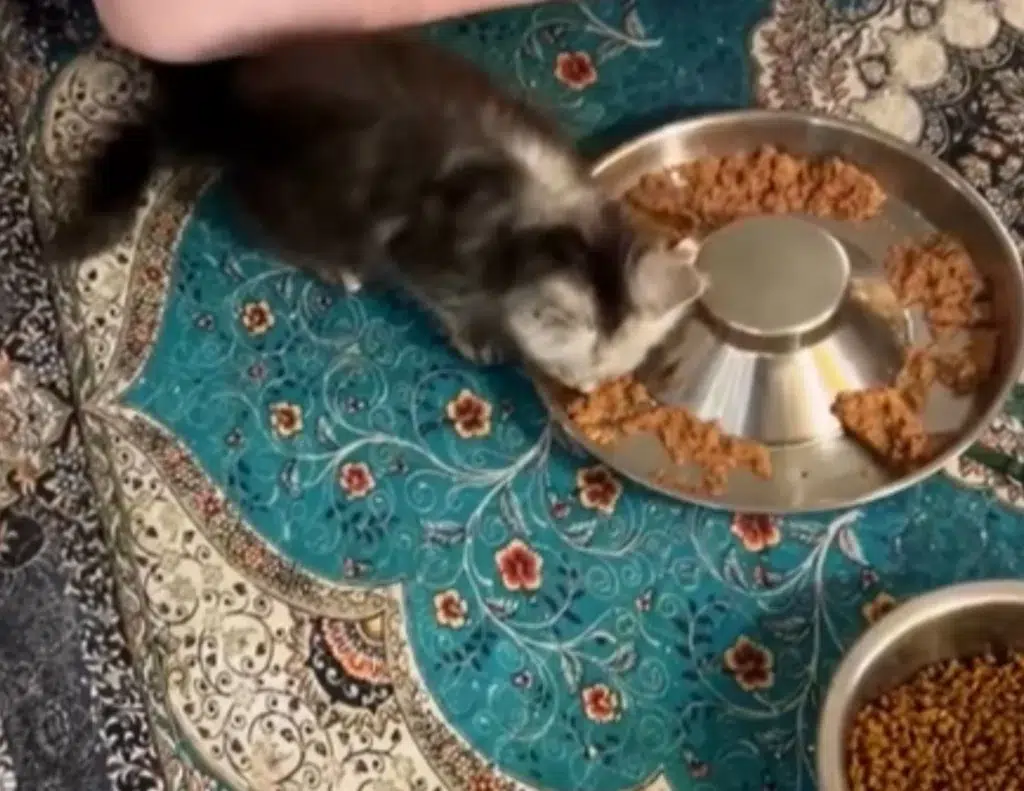
Authored by Bellspurr: A TICA-Registered Cattery
This comprehensive guide is proudly brought to you by Bellspurr, a distinguished TICA-registered cattery. Our insights are rooted in extensive practical experience and a deep commitment to the health and well-being of Maine Coon kittens. We adhere to rigorous industry standards for neonatal care and feeding, ensuring every kitten receives an optimal start in life. Our recommendations combine veterinary-backed best practices with invaluable insights drawn directly from our cattery’s adherence to specific AAFCO nutrient profiles, offering a depth of knowledge beyond generic summaries. Learn more about our standards: Bellspurr’s TICA Profile.
How Many Times a Day Should You Feed a Kitten?
Feeding frequency describes the number of meals given each day to balance energy supply and promote steady growth; for instance, dividing daily intake into four small meals prevents hypoglycaemia in young kittens. Understanding how often to feed creates a structured routine that transitions smoothly into portion planning and food selection.
Bellspurr’s Standard: As a TICA-registered cattery, Bellspurr follows rigorous industry standards for neonatal care and feeding to optimise growth milestones, ensuring every kitten receives an optimal start.
What Is the Ideal Feeding Frequency by Age?
Below is a breakdown of recommended meal counts for each developmental stage in this kitten feeding guide, ensuring consistent nutrient delivery from early weaning through juvenile growth.
- 8–12 weeks: Feed 4 times daily to maintain stable blood glucose.
- 3–6 months: Reduce to 3–4 meals per day as digestive capacity increases.
- 6–12 months: Transition to 2–3 meals daily to prepare for adult feeding routines.
Balanced meal frequency supports digestive adaptation and steadies growth spurts before advancing to detailed portions.
How Does Feeding Frequency Change from 8 Weeks to 12 Months?
Kittens require more frequent meals when very young, then gradually fewer as they mature and develop larger stomach capacity. Use the table below to match age with feeding intervals.
| Age Range | Meals per Day | Notes |
|---|---|---|
| 8–12 weeks | 4 | Small, evenly spaced portions |
| 3–6 months | 3–4 | Introduce slightly larger servings |
| 6–9 months | 3 | Focus on growth plate support |
| 9–12 months | 2–3 | Prepare digestive system for adult diet |
As meal frequency decreases, kittens adapt to larger, nutrient-dense portions that support bone mineralisation. Maine coon health guarantee.
What Are the Signs Your Kitten Needs More or Less Food?
Identifying appetite cues helps you adjust meal plans precisely:
- Rapid weight gain or loose stools indicate overfeeding.
- Persistent meowing or lethargy between meals suggests underfeeding.
- Uneven coat condition or stunted growth reflects nutrient imbalance.
Monitoring behaviour and body condition ensures each kitten receives the right volume for optimal development.
What Is the Best Food for Maine Coon Kittens?
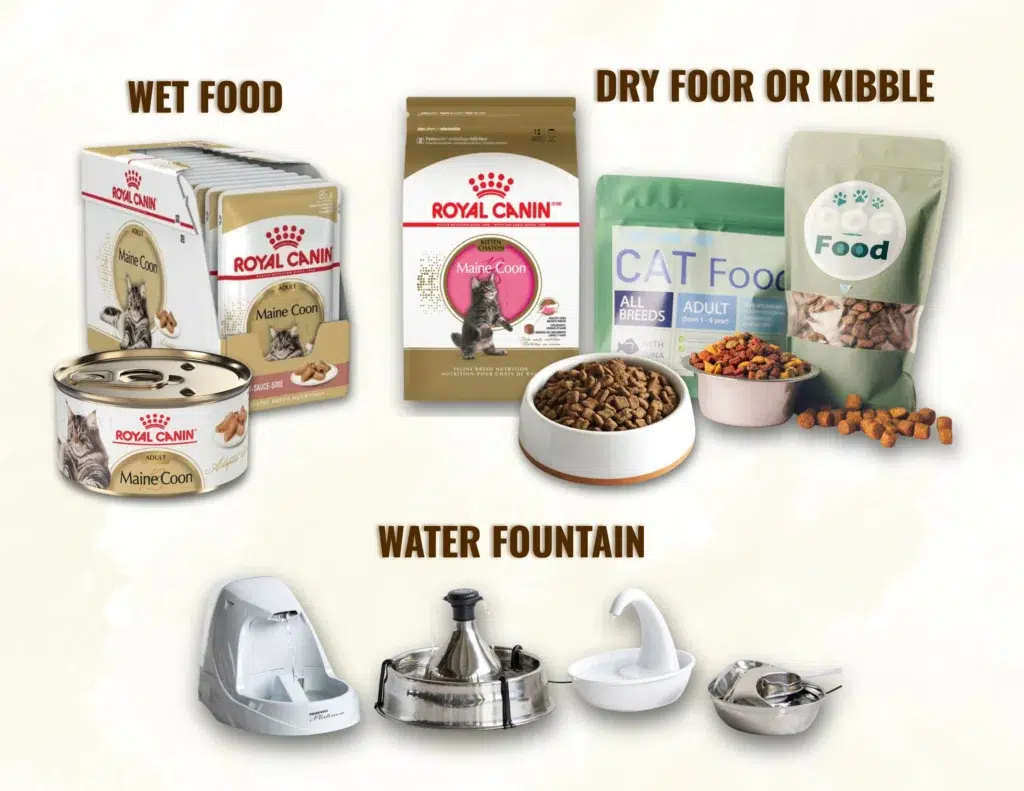
Choosing high-quality kitten food involves selecting life-stage formulas rich in animal protein, healthy fats and essential micronutrients to support organ development. Premium wet and dry diets designed for Maine Coon kittens help maintain lean muscle and bone density under rapid growth conditions. Evaluating ingredient lists and macronutrient profiles guarantees your kitten meets its daily requirements before exploring food transitions.
Which Kitten Food Types Are Recommended: Wet, Dry, or Raw?
Kittens benefit from the distinct advantages of each food type:
- Wet food provides hydration and higher protein concentration for muscle growth.
- Dry kibble supports dental health through gentle abrasion.
- Raw diets can mimic ancestral nutrition with unprocessed meats and fats.
Balancing these formats over the day ensures palatability, mouth care and consistent nutrient intake before moving on to brand selections.
What Are the Top Kitten Food Brands for Maine Coons in the USA?
For convenient access to trusted brands, shop our recommended kitten feeding supplies on Amazon which feature specialist formulas for large-breed kittens. Amazon.com – Bellespurr Persians Shop
Bellspurr’s Recommendation: We only recommend diets that offer brand-tested quality, supporting optimal growth and coat development while aligning with Bellspurr’s stringent health standards for large-breed kittens.
How to Choose High-Quality Kitten Food for Optimal Growth?
When selecting a kitten formula, prioritise these criteria:
- Minimum 30% crude protein from named animal sources.
- At least 20% healthy fat to fuel cellular development.
- Inclusion of DHA for neurological maturation.
- Taurine levels above 0.1% for ocular and cardiac function.
AAFCO Nutrient Profiles for Growing Kittens: The Scientific Standard
The Association of American Feed Control Officials (AAFCO) establishes nutrient profiles for cat foods, recommending minimum levels for essential nutrients to support growth and reproduction. For kittens, these guidelines specify a minimum of 30% crude protein and 9% crude fat on a dry matter basis, along with adequate levels of essential amino acids, vitamins, and minerals like calcium and phosphorus, which are crucial for healthy development.
This research directly supports the article’s recommendations for choosing high-quality kitten food by providing industry-standard benchmarks for protein, fat, and other vital nutrients essential for a kitten’s optimal growth.
Evaluating labels against these benchmarks guarantees a nutrient-rich foundation before exploring portion charts.
How Much to Feed Your Maine Coon Kitten: Portion Sizes and Feeding Chart
Portion size combines your kitten’s age and weight to determine daily intake in grams, preventing under- or overfeeding. Calculating accurate servings fosters ideal body condition and supports the breed’s large-frame growth. This method prepares you to implement the feeding chart effectively and adjust over time.
What Is the Recommended Feeding Amount by Age and Weight?
Below is a practical feeding chart based on average kitten weights and growth rates.
| Age (months) | Average Weight (kg) | Daily Amount (g) |
|---|---|---|
| 2 | 0.9–1.2 | 50–60 |
| 4 | 2.0–2.5 | 90–110 |
| 6 | 3.0–3.5 | 130–160 |
| 9 | 4.0–5.0 | 180–220 |
Adjust servings if your kitten falls outside these weight guidelines to maintain steady, healthy growth.
How to Use a Maine Coon Kitten Feeding Chart Effectively?
Follow these steps to match portions with your kitten’s needs:
- Weigh your kitten weekly on a calibrated scale.
- Refer to the chart and calculate daily grams.
- Divide the total into scheduled meals.
- Monitor weight trends and coat condition.
- Adjust portions by 5–10% based on body score.
Consistent tracking aligns feeding plans with individual growth patterns before evaluating long-term nutrition.
When Should You Adjust Feeding Portions as Your Kitten Grows?
Portions need recalibration when:
- Growth rate plateaus or accelerates beyond chart estimates.
- Coat shine diminishes or weight shifts noticeably.
- Veterinary check-ups recommend modified intake for optimal health.
Regular assessment keeps caloric intake aligned with developmental milestones.
What Are the Essential Nutritional Requirements for Maine Coon Kittens?
A balanced diet supplies proteins, fats, vitamins and minerals that drive organ formation, immune resilience and skeletal structure. High-quality ingredients work synergistically to support rapid growth without compromising long-term health. Recognising each nutrient’s role ensures your feeding plan meets breed-specific demands before planning diet transitions.
Which Nutrients Support Healthy Growth and Development?
Key nutrients that promote robust development include:
- Protein: Builds muscle and enzymes.
- Fat: Provides energy and supports skin health.
- Calcium & phosphorus: Strengthen bones and teeth.
- B vitamins: Aid metabolism and red blood cell formation.
Integrating these elements in every meal establishes a nutrient-dense profile for your kitten.
Why Are Taurine and DHA Important for Maine Coon Kittens?
Taurine and DHA deliver critical advantages:
- Taurine: Supports heart muscle function and vision integrity.
- DHA: Encourages brain and retinal development during early life stages.
Importance of Taurine and DHA in Kitten Development: Key Scientific Insights
Taurine is an essential amino acid for cats, as they cannot synthesize enough to meet their needs, and it is critical for heart muscle function, vision integrity, and reproductive health. Docosahexaenoic acid (DHA), an omega-3 fatty acid, is also vital for neurological and retinal development during early life stages in kittens.
This scientific understanding reinforces the article’s emphasis on the critical roles of taurine and DHA in supporting a Maine Coon kitten’s cognitive and cardiovascular health, highlighting their necessity in a balanced diet.
Their combined impact underpins cognitive performance and cardiovascular health before exploring adult formulations.
How Does Balanced Nutrition Affect Your Kitten’s Long-Term Health?
| Nutrient | Long-Term Benefit | Evidence |
|---|---|---|
| High Protein | Sustains lean mass into adulthood | Growth studies link protein with muscle preservation |
| Balanced Calcium–Phosphorus | Reduces risk of skeletal disorders | Veterinary guidelines recommend 1.1–1.3:1 ratio |
| Omega-3 Fatty Acids | Supports joint mobility and coat quality | Clinical trials show anti-inflammatory effects |
Early dietary balance lays the groundwork for lifelong vitality and robust organ function.
How to Transition Your Maine Coon Kitten’s Diet Safely?
Gradual diet changes prevent digestive upset by allowing gut flora to adapt to new protein sources and textures. Proper timing and stepwise mixing reduce vomiting and diarrhoea, maintaining comfort and nutrient absorption. Smooth transitions also reinforce feeding habits as kittens prepare for adult formulas, bridging growth phases confidently.
Watch our step-by-step feeding transition videos on YouTube for practical demonstrations and timing recommendations.
When Is the Right Time to Switch from Kitten to Adult Food?
Switch to adult formula once your Maine Coon reaches 12 months and growth plates close, ensuring nutrient levels match maintenance requirements rather than growth demands. Transition too early and you risk nutrient deficiency; too late and you may introduce surplus calories.
What Are the Best Practices for Gradual Food Transition?
Implement this four-step process:
- Week 1: Mix 75% kitten food with 25% adult formula.
- Week 2: Shift to a 50/50 blend.
- Week 3: Increase adult to 75%, kitten to 25%.
- Week 4: Serve 100% adult formula.
This measured approach supports digestive adaptation and consistent nutrient uptake before finalising adult feeding routines.
How to Avoid Digestive Upset During Diet Changes?
Minimise gastrointestinal issues by:
- Offering probiotics to stabilise gut microbiota.
- Ensuring fresh water is always available.
- Monitoring stool quality for abrupt changes.
- Maintaining consistent feeding times.
Careful oversight prevents discomfort and preserves healthy digestion.
What Are Common Feeding Problems and How Can You Solve Them?
Feeding challenges—such as pickiness, overeating or gastrointestinal upset—can inhibit optimal nutrition. Identifying root causes and applying targeted solutions maintains appetite, nutrient absorption and steady growth. Address concerns early to avoid long-term health implications and reinforce positive mealtime experiences.
How to Handle Picky Eating in Maine Coon Kittens?
To encourage consistent intake:
- Rotate protein sources to stimulate interest.
- Offer small portions at regular intervals.
- Warm wet food slightly to release aromas.
- Use puzzle feeders to engage curiosity.
Varying presentation and feeding method keeps enthusiasm high and ensures balanced nutrition.
What Causes Overeating or Digestive Issues?
Common factors include:
- High-calorie diets exceeding energy needs.
- Rapid diet changes without mixing phases.
- Insufficient fibre leading to irregular stools.
- Stress from environmental changes or competition at feeding.
Identifying triggers allows you to refine meal plans and maintain digestive health.
When Should You Consult a Veterinarian About Feeding Problems?
Seek professional advice if:
- Vomiting or diarrhoea persists beyond 24 hours.
- Your kitten shows signs of dehydration or weight loss.
- Appetite remains absent for more than one feeding cycle.
Timely veterinary intervention safeguards health and confirms feeding strategies.
How Important Is Hydration for Maine Coon Kittens and How to Ensure It?
Adequate hydration supports kidney function, nutrient transport and temperature regulation—critical processes in a rapidly growing kitten. Integrating water-rich foods and encouraging fluid intake prevents dehydration and urinary issues. Ensuring constant access to clean water complements balanced feeding habits for overall wellness.
How Much Water Should a Maine Coon Kitten Drink Daily?
A young Maine Coon requires approximately 50–60 ml of water per kilogram of body weight each day, accounting for moisture from wet food and ambient conditions. Tracking intake helps prevent subtle dehydration as growth accelerates.
What Are the Benefits of Wet Food and Water Fountains?
Including wet food delivers up to 80% moisture, reducing strain on kidneys, while gentle water flow from a fountain entices kittens to drink more frequently. Both approaches reinforce hydration without relying solely on bowls.
How to Encourage Your Kitten to Drink More Water?
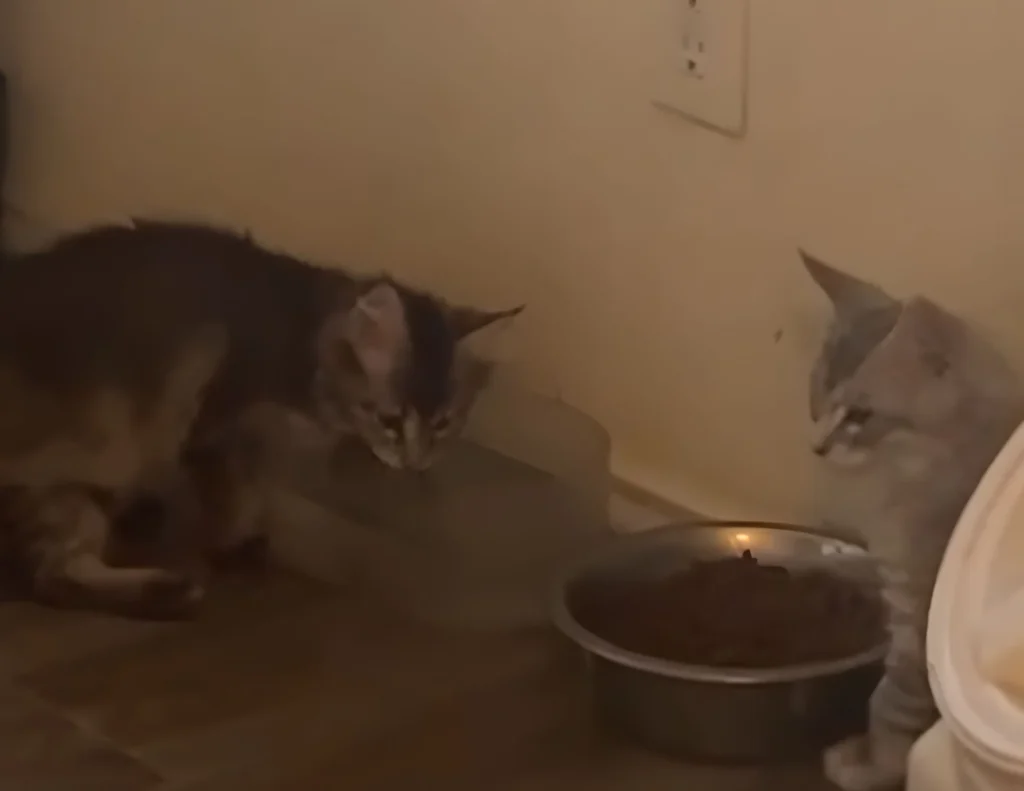
Boost fluid consumption by:
- Placing multiple water stations around the home.
- Adding a little low-sodium chicken broth to the bowl.
- Offering ice cubes as playful “treats.”
- Rotating water bowl styles to maintain novelty.
Hydration habits formed early foster urinary tract health and metabolic balance.
Your Maine Coon kitten’s nutrition journey—encompassing meal frequency, quality food choices, precise portions, essential nutrients, safe transitions and consistent hydration—lays the groundwork for a lifetime of vitality. By following this comprehensive feeding schedule and using Bellspurr’s breeder-backed methods, you’re supporting strong bones, a glossy coat and a robust immune system. Ready to welcome a healthy, well-socialised purebred kitten into your home? Discover our selection of stunning Maine Coon kittens for sale and begin your kitten care journey today.