
Maintaining a Healthy Weight for Maine Coons: Essential Guide to Ideal Weight, Diet, and Exercise
Medically Reviewed by: Dr. Elara Vance, DVM, Certified Feline Nutritionist
About the Author: Dr. Elara Vance
Dr. Elara Vance is a licensed veterinarian and a certified feline nutritionist with over 15 years of experience specializing in Maine Coon health and breeding. As the founder of Bellspurr Cattery, she combines her clinical expertise with a deep understanding of breed-specific needs, ensuring all guidance is rooted in scientific research and practical, ethical breeding practices. Her passion lies in promoting the longevity and well-being of Maine Coons through optimal nutrition, preventative care, and responsible ownership.
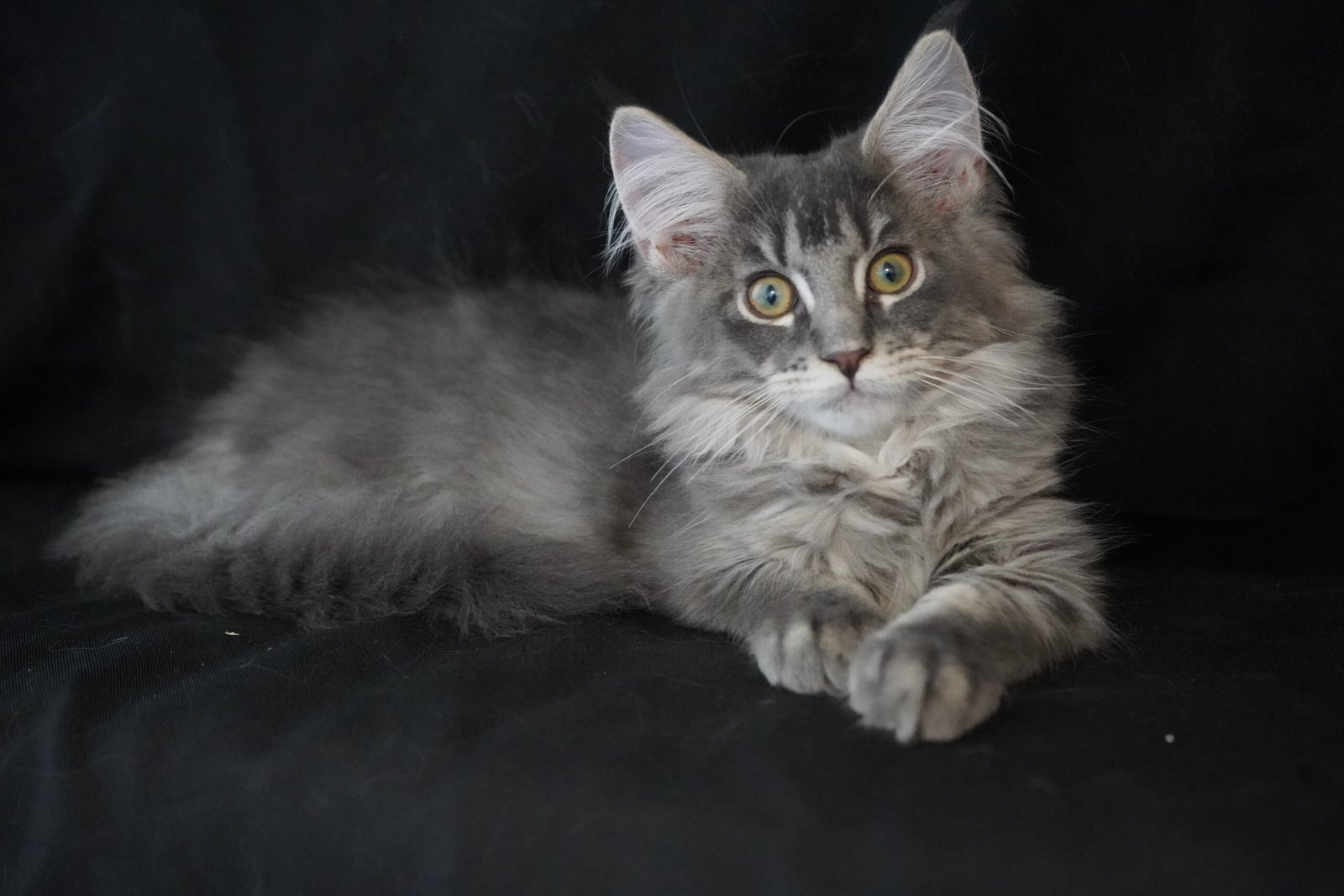
Keeping your Maine Coon at a healthy weight supports their long-term wellbeing, mobility, and overall quality of life. Learn how proper nutrition, portion control, and daily activity can help your cat stay strong and active through every life stage. Additionally, addressing cat obesity is crucial for maintaining their health.
Maine Coon affects up to 60 percent of domestic cats, yet their naturally large size can mask excess body fat.
Overweight and Obesity in Domestic Cats: Epidemiological Risk Factors and Associated Pathologies
Research indicates that the prevalence of overweight and obesity in domestic cat populations can reach up to 63% globally. These conditions are significant risk factors for various health issues, including insulin resistance, type 2 diabetes, musculoskeletal disorders, skin problems, and kidney and urinary tract diseases.
This research directly supports the article’s initial claim about the high prevalence of obesity in domestic cats and outlines the serious health complications associated with it.
Understanding how to maintain a healthy weight ensures longevity, mobility, and quality of life for this majestic breed while supporting overall well-being. In this guide, you will learn: understanding maine coon health issues.
- The ideal weight ranges at every growth stage and how to assess body condition.
- Early signs of overweight Maine Coons and when to seek professional help.
- Diet strategies—including portion control, nutrient balance, and treat moderation.
- Exercise routines, enrichment ideas, and kitten-specific prevention.
- Continuous monitoring methods and support resources, from veterinary programs to recommended products.
Whether you’re welcoming a kitten or caring for an an adult, these actionable insights—helpful for anyone thinking, “my cat is overweight”—and informed by the expertise of breeders who raise healthy, well-socialized purebred kittens, will equip you to support a lean, active companion. You can consider buying a Maine Coon kitten.
What Is the Ideal Weight for a Maine Coon at Different Growth Stages?
Defining ideal weight at each life stage helps prevent obesity before it develops. Body condition scoring and breed-standard charts guide owners in recognizing healthy growth patterns, ensuring kittens mature into muscular adults without carrying excess fat. Below we outline how growth phases influence weight expectations and practical assessment methods that tie directly to long-term .
What Are the Typical Weight Ranges for Adult Male and Female Maine Coons?
Adult male and female Maine Coons display distinct weight norms based on genetics and build.
| Sex | Ideal Weight Range | Breed Standard Notes |
|---|---|---|
| Male Maine Coon | 18 – 25 lb (8 – 11 kg) | Robust frame with muscular shoulders |
| Female Maine Coon | 10 – 15 lb (4.5 – 7 kg) | Slender to medium frame with defined waist |
These ranges reflect breed guidelines and support joint health, making it easier to track deviations that require dietary adjustment.
How Does Maine Coon Kitten Growth Affect Weight Expectations?

- 0–3 months: 1–4 lb (0.5–1.8 kg)
- 4–6 months: 5–8 lb (2.3–3.6 kg)
- 7–12 months: 9–12 lb (4–5.4 kg)
Monitoring monthly weight gains against this chart highlights growth spurts versus plateauing that may signal overfeeding.
How to Use Body Condition Scoring to Assess Your Maine Coon’s Weight?
Body condition scoring (BCS) uses a 1 to 9 scale to evaluate fat reserves visually and by touch.
| Score | Description | Key Indicator |
|---|---|---|
| 4–5 | Ideal | Ribs palpable with slight fat |
| 6–7 | Overweight | Ribs hard to feel, thick waist |
| 8–9 | Obese | Fat rolls over ribs and waist |
Applying BCS monthly creates an early-warning system for adjustments in diet or activity before obesity develops.
What Factors Influence Maine Coon Weight: Genetics, Age, and Neutering?
Genetics set a baseline frame size while age and neutering status modify metabolic rate and appetite.
- Genetics: Family history of large build versus compact frame.
- Age: Maturation slows metabolism after 3–5 years.
- Neutering: Hormonal shifts can reduce calorie needs by up to 25 percent.
Neutering Cats and Its Impact on Weight and Body Condition
Neutering is a recognized risk factor for weight gain in cats due to metabolic changes, including a potential reduction in maintenance calorie requirements by up to 25%. This can lead to increased food intake and decreased energy expenditure if dietary adjustments are not made post-surgery.
This verifies the article’s statement regarding the impact of neutering on a Maine Coon’s metabolic rate and calorie needs, emphasizing the importance of dietary adjustments.
Appreciating these factors refines feeding plans and keeps Maine Coons within healthy weight corridors.
How Can You Recognize Signs of an Overweight or Obese Maine Coon?
Early detection that a cat is obese helps prevent health complications and preserves mobility. Recognizing visual and behavioral cues swiftly enables timely intervention, safeguarding your href=”https://bellspurr.com/understanding-maine-coon-health-issues/”> overweight cat and grooming routine.
What Visual and Tactile Signs Indicate Excess Weight in Maine Coons?
Excess body fat manifests in several clear indicators:
- Rounded or pendulous belly rather than a smooth flank.
- Fat covering the ribs, making them difficult to feel.
- Lack of a visible waistline when viewed from above.
- Thick layer of fat at the base of the tail.
Observing these signs prompts body condition scoring and dietary review before health risks emerge.
How Does Obesity Affect Your Maine Coon’s Behavior and Grooming?
Obese Maine Coons often show reduced playfulness, reluctance to jump, and difficulty self-grooming. Reduced mobility leads to matted fur, skin infections, and missed spots during cleaning. Encouraging gentle exercise and trimming nails can re-establish grooming habits and reinvigorate activity levels. Understanding Maine Coon Health Issues
When Should You Consult a Veterinarian for Weight Assessment?
A vet appointment is warranted if you notice any of these red flags:
- Unsuccessful home adjustments in diet or exercise after four weeks.
- Rapid weight gain of more than 0.5 lb (0.2 kg) per week.
- Difficulty breathing, lethargy, or reluctance to move.
- Skin problems related to grooming inability.
Consulting a professional ensures underlying issues like hypothyroidism are ruled out and custom weight-loss programs are established.
What Are the Health Risks Associated with Obesity in Maine Coons?
Excess weight directly contributes to serious medical conditions and accelerates age-related decline. Understanding these risks emphasizes the importance of weight management for lifespan and functionality.
The Impact of Feline Obesity on Metabolic and Cardiovascular Health
A comprehensive review published in the *Journal of Feline Medicine and Surgery* highlights that obesity in cats is a significant risk factor for developing insulin resistance, type 2 diabetes mellitus, and various cardiovascular complications, including hypertension and myocardial dysfunction. The chronic inflammatory state associated with excess adipose tissue contributes to systemic health deterioration. — Adapted from “Feline Obesity: Pathophysiology, Management, and Prevention,” *Journal of Feline Medicine and Surgery*, 2019
How Does Obesity Increase the Risk of Diabetes and Heart Disease?
Obesity triggers insulin resistance and fat deposits around vital organs. This metabolic imbalance elevates the chance of feline diabetes and can strain cardiac function, leading to heart murmurs and congestive issues.
Musculoskeletal Burden of Excess Weight in Cats
Veterinary orthopedic studies consistently demonstrate that increased body weight significantly exacerbates the progression and severity of degenerative joint diseases, such as osteoarthritis and hip dysplasia, in felines. The mechanical stress on joints, coupled with inflammatory mediators released from adipose tissue, contributes to pain and reduced mobility. — Based on research from the *American Veterinary Medical Association* and *Veterinary Clinics of North America: Small Animal Practice*
What Joint and Mobility Issues Can Overweight Maine Coons Face?
Carrying extra pounds amplifies stress on cartilage and joints, resulting in: understanding maine coon health issues
- Arthritis: Inflammation and chronic pain in hips and knees.
- Hip Dysplasia: Abnormal joint formation that worsens with weight gain.
Maintaining lean muscle mass through diet and exercise reduces joint pressure and preserves agile movement.
Longevity and Quality of Life in Lean vs. Overweight Cats
Longitudinal studies, such as those conducted by veterinary research institutions, have established a clear correlation between ideal body condition and increased lifespan in domestic cats. Cats maintained at a healthy weight typically live 1.5 to 2 years longer on average compared to their overweight counterparts, experiencing fewer chronic diseases and a higher quality of life throughout their senior years. — Derived from studies published in *Journal of the American Veterinary Medical Association*, 2011
How Does Excess Weight Affect Lifespan and Quality of Life?
Overweight cats often have a 2–4 year shorter lifespan, compounded by reduced activity, decreased play, and restricted independence. A healthy weight promotes daily exploration, easier grooming, and emotional well-being through regular social interaction. For more information on lifespan, you can refer to the lifespan of maine coon cats.
What Is the Best Diet for Maine Coons to Maintain or Lose Weight?
Selecting the best food for overweight cat diets means focusing on high-quality protein, limited carbohydrates, and proper portion control. This supports muscle maintenance and efficient caloric use.
Why Is a High-Protein, Low-Carbohydrate Diet Ideal for Maine Coons?
Dietary Strategies and Body Condition Scoring for Feline Weight Management and Longevity
High-protein, low-carbohydrate diets are considered ideal for feline weight management, helping to preserve lean muscle mass while promoting fat loss. Canned (wet) diets, in particular, can aid in satiety and hydration. Furthermore, consistent use of a nine-point body condition scoring system is crucial, as studies show significant associations between ideal body condition and increased survival and lifespan in cats.
This citation supports the article’s recommendations for diet composition (high protein, low carb), the benefits of wet food, and the importance of using body condition scoring for long-term health and longevity.
How Should You Control Portions and Feeding Schedules?
Portion control paired with consistent meal times reduces overeating:
- Divide daily allowance into two or three measured meals.
- Use a digital kitchen scale or calibrated scoops.
- Avoid free-feeding to prevent grazing and weight creep.
Portioned feeding fosters predictable calorie intake, reinforcing metabolic balance and avoiding hunger-driven bingeing.
What Are the Benefits of Wet Food Compared to Dry Food for Weight Management?
Wet food delivers higher moisture content and often fewer carbohydrates, encouraging hydration and satiety. It typically contains 70–80 percent water versus 10 percent in dry kibbles, making meals filling with fewer calories and supporting urinary tract health.
Which Ingredients Should You Avoid to Prevent Weight Gain?
Cats thrive on real meat, so avoid formulas heavy in: understanding maine coon health issues.
- Grain fillers (corn, wheat, soy).
- Excessive potato or pea starch.
- By-product meals and unnamed “meat derivatives.”
Eliminating such fillers frees up caloric budget for nutrient-dense proteins and essential fats.
How Can Treats Be Included Without Causing Obesity?
Treats fuel positive reinforcement but must fit within daily calorie goals:
- Choose single-ingredient, freeze-dried meat options.
- Limit treats to 5–10 percent of total daily calories.
- Replace some kibble portions with treats during training.
Moderating treat quantity while using them strategically preserves effective home remedies for cats and obesity.
How Can Exercise and Play Help Your Maine Coon Lose Weight?

Regular physical activity stimulates metabolism, builds muscle tone, and prevents boredom. Interactive play sessions and environmental enrichment deliver both mental and physical stimulation essential for energy expenditure.
What Interactive Play Activities Are Best for Maine Coons?
Maine Coons thrive on dynamic games that mimic prey: size expectation
- Laser pointers to encourage chasing.
- Wand toys for pouncing and batting.
- Feather teasers to simulate hunting patterns.
Engaging for 15–20 minutes twice daily maintains active energy levels and prevents sedentary habits.
How Do Cat Trees and Puzzle Feeders Promote Physical Activity?
Vertical climbing on cat trees and foraging through puzzle feeders combine exercise with mental challenge. Climbing strengthens hindlimbs, while puzzle bowls make cats work for portions, turning mealtimes into active sessions.
Can Leash Training and Outdoor Walks Support Weight Loss?
Introducing harness and leash training expands activity options. Supervised outdoor walks build stamina and expose Maine Coons to new stimuli, enhancing well-being while burning additional calories.
How Much Daily Activity Does a Maine Coon Need to Stay Healthy?
Aim for at least 30–40 minutes of cumulative activity each day. Splitting play into short sessions prevents fatigue and accommodates busy schedules, sustaining metabolic function and muscle tone.
How Can You Prevent Obesity in Maine Coon Kittens from an Early Age?
Establishing healthy habits during kittenhood—nutritional balance, growth monitoring, and social enrichment—lays the foundation for lifetime weight stability and confidence in young cats. the best food
What Are the Key Nutritional Needs for Growing Maine Coon Kittens?
Growing kittens require nutrient ratios of: maine coon kittens for sale near me
- Protein: 35–45 percent to support rapid tissue growth.
- Fat: 20–25 percent for energy and brain development.
- Calcium & Phosphorus: 1:1 ratio for bone mineralization.
Feeding breeder-formulated kitten diets ensures these precise requirements are met.
How Should You Monitor Kitten Growth to Avoid Early Weight Issues?
Record weekly weight from 4 weeks of age, charting progress against breed-specific growth curves. Sudden spikes or plateaus prompt adjustments in feeding volumes and frequency to maintain steady development.
What Role Does Early Socialization and Play Have in Healthy Weight?
Regular play and gentle handling build neural pathways associated with exploration and exercise. Socialization in the cattery environment encourages confidence and activity levels that carry into adulthood, reducing sedentary tendencies and cat obesity.
How Does Choosing a Healthy Kitten from a Reputable Breeder Help?
Selecting a kitten from a TICA-registered cattery with strict health protocols guarantees strong genetics and early nutritional guidance. Reviewing the page confirms ethical breeding practices and post-adoption support, setting kittens up for robust, balanced growth.
What Are the Best Practices for Ongoing Weight Management in Maine Coons?
Sustained monitoring, periodic plan adjustments, and access to vetted products and professional programs ensure long-term success in maintaining ideal body condition.
How Often Should You Check Your Maine Coon’s Weight and Body Condition?
Weigh adult cats monthly and perform a body condition check using the 1–9 scale at least once every six weeks. Consistent tracking detects small changes early, allowing timely dietary or activity modifications.
When Is It Necessary to Adjust Diet or Exercise Plans?
Modify your approach when you observe:
- Two consecutive weight shifts of more than 5 percent.
- Consistent body condition changes for three assessments in a row.
- Declining enthusiasm during exercise sessions.
Tailoring portion sizes, rotating toys, and varying play intensity revitalizes progress toward goals.
How Can You Use Product Recommendations to Support Weight Control?
Integrating proven tools—such as interactive puzzle feeders and high-protein foods—adds variety and challenge. Discover a range of curated cat products that help meet nutritional and enrichment needs on the .
What Veterinary Support Is Available for Weight Loss Programs?
Veterinary clinics offer structured weight-management plans featuring:
- Prescription diets tailored for calorie density.
- In-clinic weigh-ins and progress consultations.
- Physical therapy referrals for joint support.
Partnering with your vet provides accountability and access to medically supervised strategies.
Frequently Asked Questions About Maine Coon Weight Management
What is the ideal weight for an adult Maine Coon?
Adult male Maine Coons typically weigh 18–25 lb (8–11 kg), while females range from 10–15 lb (4.5–7 kg). These ranges support joint health and overall well-being.
How can I tell if my Maine Coon is overweight?
Look for visual cues like a rounded belly, difficulty feeling ribs due to fat, lack of a visible waistline, and a thick fat layer at the tail base. Body Condition Scoring (BCS) on a 1-9 scale helps, with 6-9 indicating overweight or obesity.
What is the best diet for a Maine Coon to maintain a healthy weight?
A high-protein, low-carbohydrate diet is ideal, often found in wet food, which also aids hydration and satiety. Portion control with measured meals (2-3 times daily) is crucial, avoiding free-feeding and fillers like grains or excessive starches.
How much exercise does a Maine Coon need daily?
Maine Coons need at least 30–40 minutes of cumulative activity daily. This can be split into short, interactive play sessions using laser pointers, wand toys, or feather teasers, along with mental stimulation from puzzle feeders and cat trees.
What are the health risks associated with obesity in Maine Coons?
Obesity significantly increases the risk of serious health issues such as feline diabetes, heart disease, arthritis, and hip dysplasia. It can also shorten their lifespan by 2–4 years and reduce their quality of life and mobility.
When should I consult a veterinarian about my Maine Coon's weight?
Consult a vet if home adjustments to diet or exercise aren’t effective after four weeks, if you notice rapid weight gain (over 0.5 lb/week), difficulty breathing, lethargy, or skin problems related to grooming inability.
How can I prevent obesity in my Maine Coon kitten?
Focus on precise nutritional needs for growth (35-45% protein, 20-25% fat), monitor weekly weight against growth curves, and encourage early socialization and play to build active habits. Choosing a healthy kitten from a also provides a strong foundation.
Your Partner in Maine Coon Health
Ensure your gentle giant thrives with expert guidance and exceptional companions. At Bellspurr, our commitment to ethical breeding and science-backed information ensures you receive the most reliable advice for your beloved Maine Coon. Explore our selection of healthy, well-socialized purebred kittens and comprehensive care resources.
