
Maine Coon Leash Training and Harness Safety Guide
Walking a Maine Coon on a leash transforms supervised outdoor time into a safe, enriching experience for your gentle giant. By introducing a cat harness and leash training early, you ensure physical exercise, mental stimulation, and a stronger bond—all while maintaining control and safety. In this guide, we’ll explore the benefits of leash walking, how to select escape-proof harnesses, step-by-step kitten training protocols, essential outdoor safety measures, troubleshooting tactics for resistance, and accessories that enhance each adventure. Throughout, we’ll weave in Bellspurr’s commitment to healthy, well-socialised purebred kittens, offering ongoing support for lifelong enrichment.
Why Should You Walk Your Maine Coon on a Leash?
Walking a Maine Coon on a leash creates supervised exploration that promotes cardiovascular health, enriches cognition, and prevents obesity by increasing daily activity. This controlled outdoor enrichment fosters confidence and mitigates indoor boredom. Encouraging gentle adventures prepares your cat for new experiences and opens pathways to supervised exploration.
What Are the Physical and Mental Benefits of Leash Walking for Maine Coons?
Leash walking delivers optimal exercise by engaging major muscle groups and stimulating curiosity through novel sights and sounds. Regular outings help maintain healthy weight, support joint mobility, and reduce the risk of hairball-related issues by limiting sedentary behaviour. Simultaneously, exposure to varied environments enriches mental agility and lowers stress levels by engaging sensory pathways.
Benefits and Ethics of Cat Leash Walking
Research and expert opinions suggest that leash walking can offer significant benefits for cats, including environmental enrichment, mental stimulation, and physical exercise to combat obesity. The ethical considerations depend on the individual cat’s response and proper training implementation.
This research directly supports the article’s claims regarding the physical and mental benefits of leash walking for cats, as well as the importance of a positive approach to training.
How Does Leash Walking Strengthen the Bond Between You and Your Maine Coon?
Maine Coon Leash training invites cooperative interactions that deepen trust and communication. Shared outdoor experiences foster mutual attentiveness—your cat learns to follow your lead while you gain insight into their comfort signals. This collaborative routine enhances socialisation and cements an affectionate relationship rooted in shared discovery and positive reinforcement.
Why Is Leash Training Especially Suitable for Maine Coons?
Maine Coons’ intelligent, dog-like temperament and natural curiosity make them responsive to structured training. Their robust build tolerates chest-mounted harnesses without discomfort, and their playful nature embraces novel experiences. The combination of high sociability and problem-solving ability ensures that leash training feels like an engaging activity rather than a restrictive chore, capitalising on their adaptable character.
Maine Coon Temperament and Trainability
Maine Coon cats are known for their friendly, sociable, intelligent, and trainable personalities, often retaining kitten-like traits throughout their lives. They are affectionate and enjoy being close to their owners, making them suitable candidates for various forms of training.
This information supports the article’s assertion that Maine Coons’ intelligent and dog-like temperament makes them particularly responsive to structured training, such as leash training.
How to Choose the Best Harness and Leash for Your Maine Coon
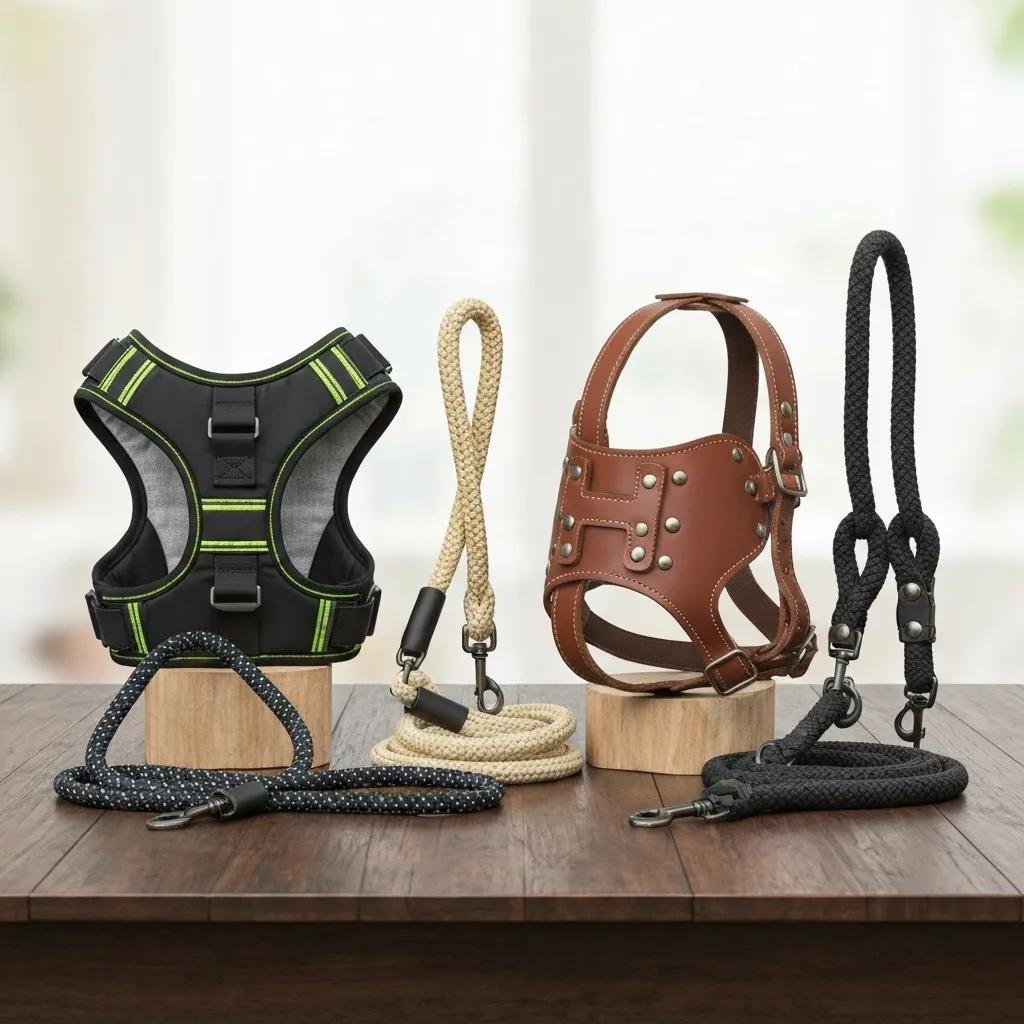
Selecting an escape-proof, comfortable harness is essential for large, energetic Maine Coons to enjoy leash walking safely. A well-fitted vest or H-style harness distributes pressure evenly, preventing neck strain and thwarting escape attempts. Pairing it with a durable best cat leash enhances control and comfort during each walk.
Before comparing types, ensure you measure chest girth at the widest point—an accurate fit prevents rubbing and escapes. A properly sized harness allows insertion of two fingers under the straps while snugly hugging the torso.
Below is a comparison of popular harness styles demonstrating key attributes and ideal applications for Maine Coons.
| Harness Type | Adjustable Straps | Best Use |
|---|---|---|
| Vest-Style | Four-point adjustment | Secure fit for active cats |
| H-Style | Two-point adjustment | Quick on/off, good for calm walks |
| Step-In | Elastic front panel | Easy to introduce to kittens |
Each harness style offers specific advantages—vest harnesses suit adventurous cats that pull, H-style styles simplify fitting for beginners, and step-in designs reduce stress for sensitive felines. Choosing the right style sets the stage for successful training.
What Features Make a Harness Escape-Proof and Comfortable for Large Maine Coons?
Key features include breathable mesh panels to reduce overheating, reflective trim for low-light visibility, and robust buckles rated for heavy-duty use. Reinforced stitching at pressure points prevents tearing, while padded chest and shoulder areas mitigate chafing. An escape-proof design integrates a snug wraparound structure that releases pressure evenly, discouraging wriggling.
Essential Features for Safe Cat Harnesses
A well-fitted harness specifically designed for cats is crucial for safe and comfortable leash walking. Recommended features include H-style or vest-style designs for even pressure distribution, multiple adjustment points for a secure fit, breathable materials, a sturdy D-ring for leash attachment, and quick-release buckles to prevent escape or injury.
This directly supports the article’s guidance on selecting escape-proof and comfortable harnesses for Maine Coons, detailing key features and types that ensure safety and comfort during outdoor adventures.
Pair style with your cat’s temperament: enthusiastic explorers may prefer vest-style security, while cautious kittens often accept H-style shapes more readily.
Which Harness Types Are Best for Maine Coons: Vest, H-Style, or Others?
Each harness type caters to different training stages:
- Vest-Style Harness encloses the chest and back for maximal security, ideal for confident pullers.
- H-Style Harness features two adjustable loops and is suitable for gentle pulling or initial harness introduction.
- Step-in Arnesses simplify donning by encouraging kittens to step through leg holes, reducing handling stress.
Pair style with your cat’s temperament: enthusiastic explorers may prefer vest-style security, while cautious kittens often accept H-style shapes more readily.
What Are the Recommended Brands and Models for Maine Coon Harnesses?
Bellspurr recommends reputable harness brands known for quality and durability:
- Kitty Holster Sport Harness – Breathable mesh, robust chest strap, desert-tested durability
- Rabbitgoo Pawfit Adventure Harness – Reflective stitching, padded interior, escape-proof fit
- OutBound Cat Harness – Lightweight nylon, quick-snap buckles, adjustable neck and chest
For convenient access to recommended supplies, explore the curated storefront on Amazon.
This curated collection ensures you receive professional-grade gear tailored for Maine Coons’ size and strength.
How Do You Properly Fit a Harness to Your Maine Coon?
Place the harness on your cat’s back, fasten neck buckle, then secure chest strap. Adjust straps so you can just slip two fingers under each section. Ensure the harness rests above the shoulder blades without twisting. A correct fit balances snug security and unrestricted movement, which encourages confident walking and prevents escape attempts.
With harness selection and fitting in place, the next step is systematic leash training to build comfort and proficiency.
When and How to Start Maine Coon Leash Training for Your Kitten
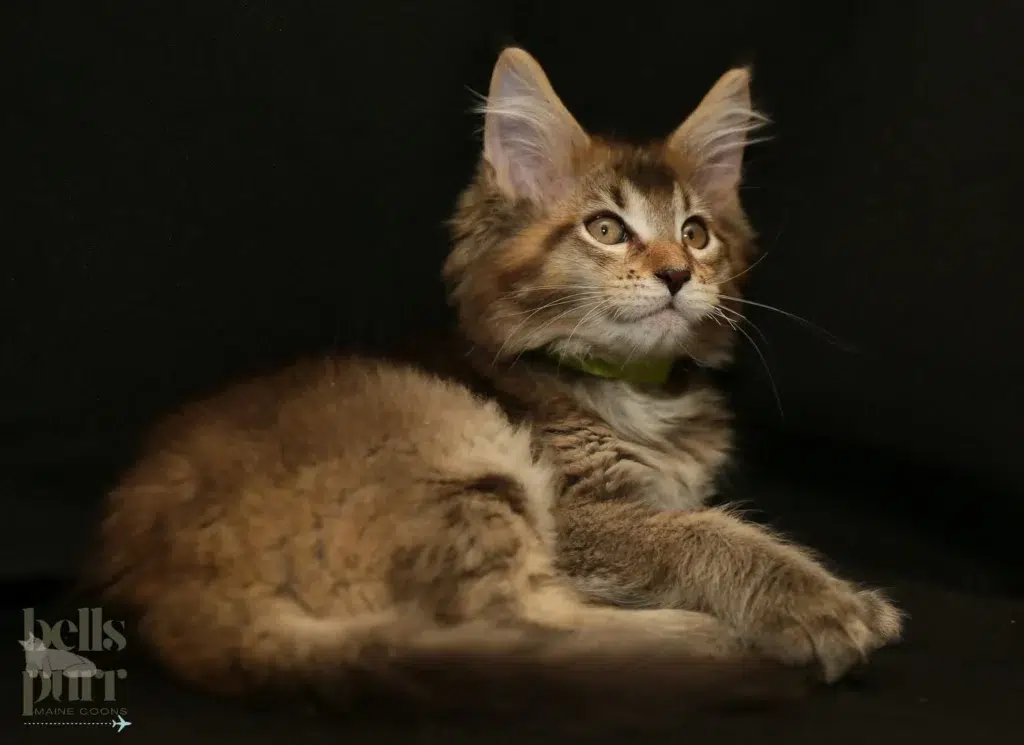
Leash training a Maine Coon kitten integrates early socialisation with controlled exposure, fostering lasting comfort and confidence outdoors. Beginning training in sheltered spaces with positive reinforcement sets the foundation for successful outdoor adventures.
At What Age Should You Begin Leash Training a Maine Coon Kitten?
Starting at eight to twelve weeks harness-trains kittens when they are highly receptive to new experiences and social cues. Early introduction reduces fear of unfamiliar sensations and makes association with positive rewards stronger. However, adult Maine Coons can learn with patient, iterative sessions.
What Are the Step-by-Step Indoor Leash Training Techniques?
Begin by allowing your kitten to explore the harness off-body, then gently place it on for short sessions. Follow this routine:
- Sniff and Inspect – Place harness near play areas without wearing it.
- Harness Association – Reward sniffing and touching with treats.
- Short Wear Trials – Secure harness for 5–10 minutes, gradually increasing time while monitoring stress signals.
Emphasise calm praise and treats to reinforce comfort, which eases transitions to leash introduction.
How Can You Use Treats and Positive Reinforcement Effectively?
Positive reinforcement links desired behaviour—walking on a leash—with rewards. Use tiny, soft treats at each successful step, delivering immediately when your cat moves forward. Clicker-training can mark correct responses precisely, boosting learning speed. Consistent timing and varied treats maintain motivation and engagement.
How to Transition from Indoor Training to Outdoor Walks Safely?
Once indoor sessions exceed ten minutes without stress, attach the leash indoors and allow supervised dragging. Next, introduce short outdoor excursions in a quiet garden or courtyard. Keep sessions under 15 minutes, gradually extending duration as your kitten shows relaxed posture and exploratory behaviour. Always carry treats and return indoors before any sign of fatigue or stress.
Building on indoor mastery, outdoor walks become an engaging, safe routine that enhances enrichment and health.
What Are the Safety Considerations When Walking a Maine Coon Outdoors?
Outdoor leash walks expose Maine Coons to hazards that require proactive precautions, from environmental threats to preventive healthcare. Identifying risks and implementing safeguards ensures each adventure remains secure and enjoyable.
What Outdoor Hazards Should You Watch for During Walks?
- Busy roads and traffic noise that can trigger flight response
- Predators and territorial animals such as dogs or wild birds of prey
- Toxic plants and chemicals like pesticides in gardens
- Parasites including ticks, fleas and mosquitoes
Remaining vigilant about surroundings and recognizing stress signals in your cat prevents distress or escape attempts.
How Can You Protect Your Maine Coon with Preventive Measures?
- Microchip and collar ID tag ensure rapid recovery if separated
- Up-to-date vaccinations guard against common feline diseases
- Regular flea, tick and worm prophylaxis stops parasite-borne illnesses
- Vet-approved harness fit checks before each outing
Pre-walk health checks and veterinary guidance minimise risks and reinforce safe exploration.
How to Choose Safe Outdoor Environments for Your Maine Coon Walks?
Select quiet, enclosed spaces such as private gardens or low-traffic parks with minimal dog activity. Look for areas free of pesticides and away from main roads. Early morning or late afternoon visits offer cooler temperatures and less human traffic, promoting calm exploration.
Why Is Supervision Essential During Outdoor Leash Walks?
Continuous monitoring allows immediate response to stress signs or escape maneuvers. Close supervision prevents tangled leashes, sudden fright responses and interactions with hazards. Direct oversight strengthens the bond and reassures your cat that adventures remain secure under your guidance.
Maintaining safety paves the way for consistent enjoyment and mental stimulation on each walk.
How to Fix Common Issues in Maine Coon Leash Training
Even with proper preparation, Maine Coons can exhibit hesitation or escape attempts when leash walking begins. Addressing these challenges with patience and strategy maintains progress and reinforces positive associations.
What to Do If Your Maine Coon Freezes or Refuses to Walk?
If your cat halts and flops, resist urge to pull. Instead, crouch beside them, offer a favourite treat and gently tap the ground ahead to spark curiosity. Short bursts of walking with frequent rewards rebuild confidence. Patience and brief sessions gradually reduce freezing behaviour.
How Can You Prevent and Manage Escape Attempts?
Escape attempts often stem from loose straps or sudden fright. Re-check harness fit regularly and replace worn straps. Practice gentle leash tension by allowing slack, then applying slight guidance forward. Consistent positive reinforcement for staying close discourages wriggling and bolsters trust.
What Are Effective Ways to Increase Your Maine Coon’s Interest in Leash Walking?
Incorporate toys and puzzles on outdoor walks—hide treats under leaves or place favourite toys in sight. Variable routes with new stimuli sustain engagement and encourage forward movement. Alternating times of day and environments prevents routine boredom and keeps experiences fresh.
Overcoming these challenges fosters resilient training progress and deeper enrichment on future walks.
What Equipment and Accessories Enhance the Leash Walking Experience for Maine Coons?
Beyond harness and leash, targeted accessories boost safety, visibility and hygiene for every outing. Strategic tools and maintenance routines ensure gear remains reliable and comfortable.
Before listing accessories, consider durability and ease of cleaning to protect your investment and your cat’s well-being.
| Accessory | Specification | Benefit |
|---|---|---|
| Reflective Vest | High-visibility strips | Increases low-light safety |
| ID Tag | Engraved stainless steel | Secure identification |
| Harness Padding | Neoprene chest cushion | Reduces chafing and pressure points |
| Leash Holder Clip | Quick-release carabiner | Keeps leash secured during breaks |
Which Types of Leashes Work Best for Maine Coons?
Fixed-length nylon leashes of 1.2–1.5 m provide predictable control, while retractable leashes of similar strength allow exploratory freedom. A traffic-grade lead with shock-absorbent core minimises jolts if your cat suddenly surges forward. Choose materials that resist chewing and moisture for longevity.
Are There Additional Safety Accessories to Consider?
Reflective LED collars improve visibility at dusk, and breakaway features protect against snagging hazards. Microfiber cleaning cloths and pet-safe disinfectants allow on-the-go gear maintenance. Combining identification and visibility tools prevents mishaps and ensures swift recovery if separation occurs.
How to Maintain and Clean Your Maine Coon’s Harness and Leash?
Hand-wash harnesses in lukewarm water with mild detergent, rinse thoroughly and air-dry away from direct sunlight. Inspect hardware for rust or stress fractures before each use. Wipe leashes with pet-safe wipes after muddy walks. Regular maintenance extends gear life and prevents skin irritation.
Maintaining pristine equipment lays the groundwork for reliable, safe adventures.
How Does Leash Walking Fit into the Overall Care and Wellbeing of Your Maine Coon?
Leash walking integrates seamlessly with holistic cat care by delivering behavioural enrichment, health benefits and ongoing support from Bellspurr’s expert community. Outdoor exploration complements indoor activities, rounding out a balanced lifestyle that reflects Bellspurr’s promise of a lifetime partnership.
How Does Outdoor Exploration Complement Indoor Enrichment?
Outdoor walks provide novel stimuli—sounds, textures and scents—that indoor toys cannot replicate. This sensory expansion reduces boredom, curbs unwanted scratching and supports cognitive resilience. By alternating indoor puzzle feeders with supervised outdoor time, you create a dynamic enrichment plan that addresses diverse behavioural needs.
What Role Does Leash Training Play in Preventing Health Issues?
Regular outdoor activity counteracts indoor sedentary tendencies, lowering the risk of obesity, diabetes and joint stiffness. Mental stimulation from varied environments mitigates stress-related behaviours like over-grooming or vocalisation. Incorporating leash walks into weekly routines promotes longevity and vitality for your Maine Coon.
How Does Bellspurr Support Owners in Maine Coon Leash Training and Outdoor Care?
Bellspurr offers lifetime guidance through expert advice, video demonstrations and updates on best practices via our YouTube channel. We share hands-on tutorials featuring our own kittens, ensuring you feel confident every step of the way. Our commitment extends beyond purchase—providing ongoing enrichment resources for a thriving partnership.
Watch our training demos on Bellspurr Maine Coons.
Walking on a leash introduces endless enrichment for Maine Coons, forging healthier bodies, sharper minds and deeper bonds. By choosing quality harnesses, following structured training phases, prioritising safety and utilising supportive accessories, you create joyful, stress-free adventures. Begin early, stay patient and remember that every step outside builds confidence for both you and your gentle giant.