
The Importance of Genetic Testing in Maine Coon Breeding
By Lucy Appel, Maine Coon Kittens for Sale | Bellspurr Cattery
Genetic testing plays a crucial role in the breeding of Maine Coon cats, ensuring the health and vitality of future generations. By identifying hereditary diseases and genetic predispositions, breeders can make informed decisions that enhance the overall quality of their breeding programs. This article delves into the essential genetic tests for Maine Coons, the implementation of responsible breeding practices, and how these measures contribute to healthier kittens. Readers will learn about the common genetic diseases affecting Maine Coons, the procedures involved in genetic testing, and the importance of socialization alongside genetic health. Ultimately, understanding these aspects empowers both breeders and potential kitten owners to prioritize health and well-being in this beloved breed.
What Are the Essential Genetic Tests for Maine Coon Cats?
Genetic testing for Maine Coon cats is vital for identifying potential health issues before they manifest. These tests can detect various hereditary diseases, allowing breeders to make informed decisions about their breeding pairs. The essential genetic tests include:
- HCM DNA Test: This test screens for hypertrophic cardiomyopathy, a common heart condition in Maine Coons.
- SMA DNA Screening: This test identifies spinal muscular atrophy, a genetic disorder that can lead to muscle wasting.
- PKD Genetic Panel: This panel tests for polycystic kidney disease, which can significantly impact kidney function.
These tests not only help in breeding healthier cats but also contribute to the overall well-being of the breed.
Which hereditary diseases do these tests detect?
The genetic tests mentioned above are designed to detect specific hereditary diseases that can affect Maine Coons. For instance, the HCM DNA test identifies the MYBPC3 gene mutation responsible for hypertrophic cardiomyopathy, which can lead to heart failure if left unchecked. Similarly, the SMA DNA screening targets the SMN1 gene, which is linked to muscle degeneration. By understanding these diseases, breeders can avoid pairing cats that carry these genetic markers, thus reducing the incidence of these conditions in their litters.
How do genetic tests improve kitten health outcomes?
Genetic testing significantly improves health outcomes for Maine Coon kittens by allowing breeders to select mating pairs that are free from hereditary diseases. This proactive approach reduces the likelihood of passing on genetic disorders, leading to healthier kittens with fewer health issues. Additionally, informed breeding practices foster a stronger gene pool, enhancing the overall vitality of the breed. As a result, potential kitten owners can expect healthier pets, which translates to fewer veterinary visits and a better quality of life.
How Do Responsible Maine Coon Breeders Implement Genetic Screening?
Responsible Maine Coon breeders prioritize genetic screening as part of their breeding practices. They understand that transparency and ethical breeding are essential for maintaining the health of the breed. This involves collaborating with veterinary professionals and utilizing accredited laboratories for testing.
What standards and certifications define reputable breeders?
Reputable breeders adhere to strict health testing protocols and often hold certifications from recognized feline organizations. These standards ensure that breeders are committed to ethical practices, including transparency with potential buyers regarding the health of their breeding cats. By following these guidelines, breeders can demonstrate their dedication to producing healthy Maine Coons and contribute positively to the breed’s reputation.
How does Bellspurr Maine Coons ensure transparency and trust?
At Bellspurr Maine Coons, transparency is a cornerstone of our breeding philosophy. We conduct comprehensive genetic testing on all our breeding cats, ensuring that they are free from hereditary diseases. Our commitment to health guarantees means that potential kitten owners can trust in the quality and health of their new pets. We provide ongoing support and information to buyers, fostering a community of responsible pet ownership.
What Are the Common Genetic Diseases Affecting Maine Coons?
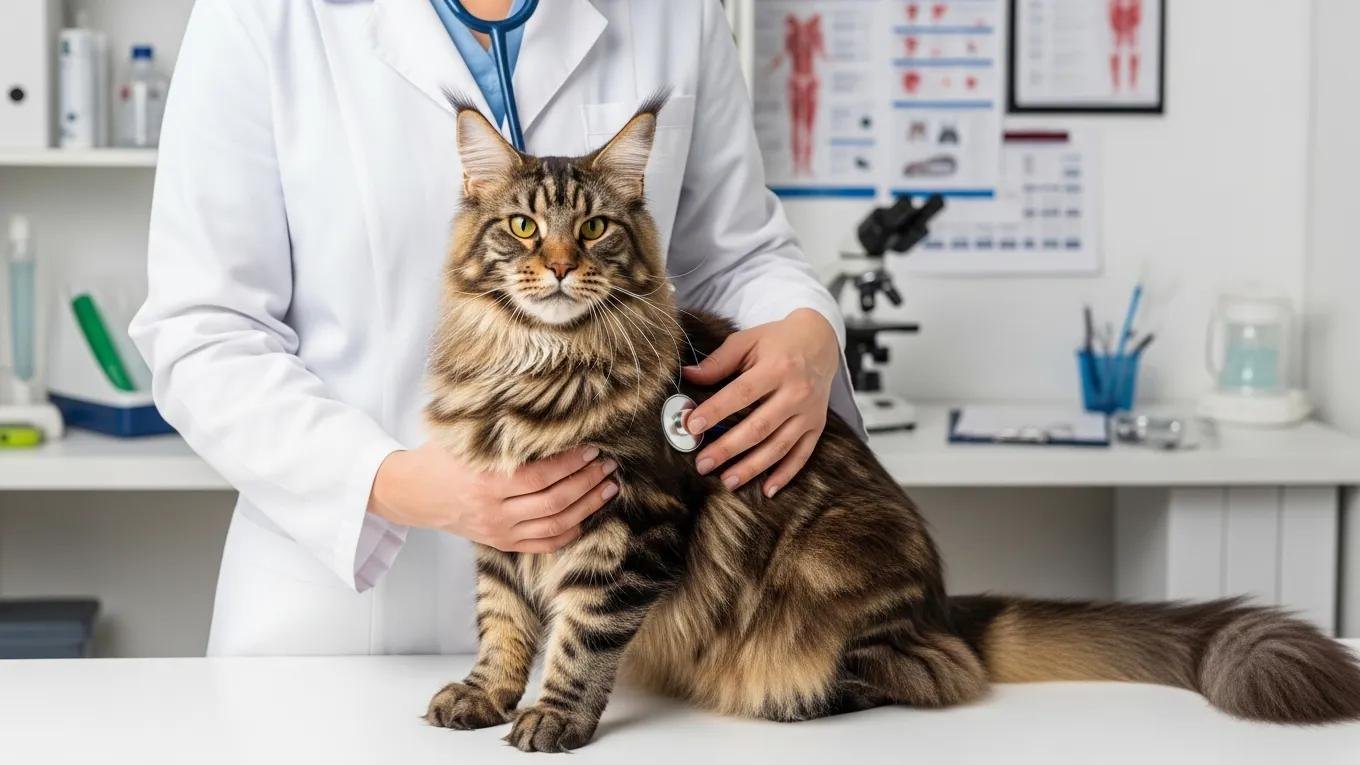
Maine Coons are susceptible to several genetic diseases that can impact their health and longevity. Understanding these conditions is crucial for both breeders and potential owners.
- Hypertrophic Cardiomyopathy (HCM): This heart condition is characterized by the thickening of the heart muscle, which can lead to heart failure.
- Spinal Muscular Atrophy (SMA): A genetic disorder that causes muscle wasting and weakness, affecting the cat’s mobility.
- Polycystic Kidney Disease (PKD): This condition leads to the formation of cysts in the kidneys, potentially resulting in kidney failure.
Beyond the commonly discussed conditions, feline hip dysplasia is another significant genetic concern in Maine Coons that responsible breeding practices can address.
Maine Coon Hip Dysplasia: Genetic Screening & Selective Breeding
Feline hip dysplasia (FHD) is a debilitating condition affecting the hip joints of millions of domestic cats worldwide. Despite this, little is known about FHD except that it is relatively common in the large breed Maine Coon. We used 20 years of data from 5038 pedigree-registered Maine Coon cats in a radiographic health screening programme for FHD to determine, for the first time, its heritability, genetic correlation to body mass and response to selection. Not only did selective breeding successfully reduce the severity of FHD symptoms in descendants, but these cats were also smaller than their ancestors. This study highlights the value of breeding programmes against FHD and cautions against breed standards that actively encourage large bodied cats.
Demography, heritability and genetic correlation of feline hip dysplasia and response to selection in a health screening programme, M Low, 2019
How do hypertrophic cardiomyopathy and spinal muscular atrophy impact health?
Hypertrophic cardiomyopathy can lead to severe health complications, including sudden cardiac death, if not managed properly. Early detection through genetic testing allows breeders to avoid producing affected kittens. Similarly, spinal muscular atrophy can significantly affect a cat’s quality of life, leading to mobility issues. By understanding these impacts, breeders can make informed decisions that prioritize the health of their kittens.
What recent veterinary studies inform breeding practices?
Recent veterinary studies have highlighted the importance of genetic testing in reducing the prevalence of hereditary diseases in Maine Coons. Research indicates that breeders who implement genetic screening see a marked decrease in the incidence of HCM and SMA in their litters. These findings underscore the necessity of responsible breeding practices and the role of genetic testing in promoting the health of the breed.
How Does Genetic Testing Influence the Purchase of Healthy Maine Coon Kittens?
Genetic testing not only benefits breeders but also influences the decisions of potential kitten buyers. Understanding the health guarantees associated with genetic testing can empower buyers to make informed choices.
What health guarantees should buyers expect from breeders?
Buyers should expect health guarantees that cover common genetic diseases, such as HCM and SMA. Reputable breeders will provide documentation of genetic testing results, ensuring that the kittens are free from hereditary conditions. This transparency builds trust and confidence in the purchasing process, allowing buyers to feel secure in their decision.
How to verify pedigrees and genetic health certifications?
Verifying pedigrees and health certifications is essential for potential kitten owners. Buyers should request documentation of genetic testing and health guarantees from breeders. Additionally, reputable breeders will often provide references and be willing to discuss their breeding practices openly. This level of transparency is a hallmark of responsible breeding and should be a key consideration for buyers.
What Procedures Are Involved in Genetic Testing for Maine Coons?
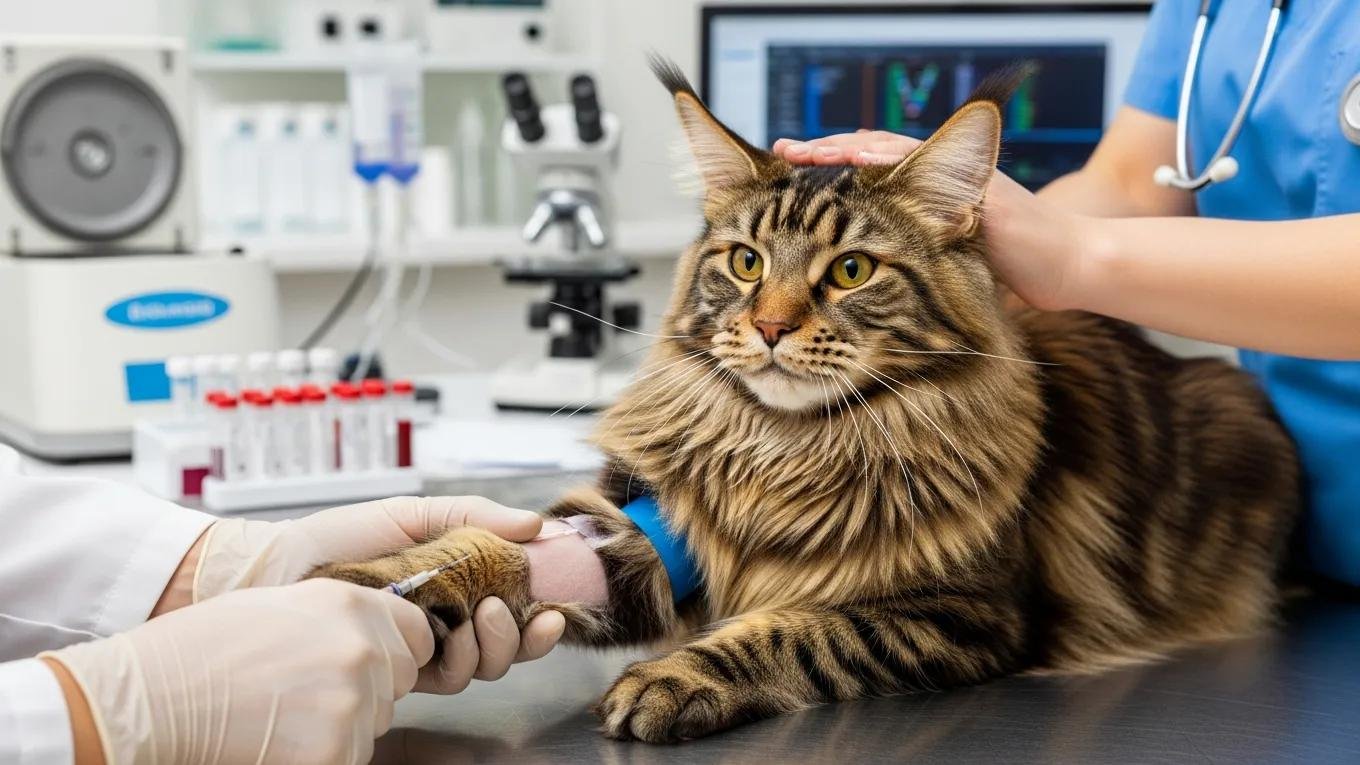
The procedures involved in genetic testing for Maine Coons are straightforward and typically involve a simple blood or saliva sample. These samples are then sent to accredited laboratories for analysis.
Which laboratories and methods are recognized for accuracy?
Accredited laboratories that specialize in feline genetics are essential for accurate testing. These labs utilize advanced techniques to ensure reliable results, which are crucial for making informed breeding decisions. Breeders should seek out laboratories with a proven track record in feline genetic testing to ensure the highest level of accuracy.
How are test results interpreted and applied in breeding decisions?
Interpreting genetic test results involves understanding the implications of specific genetic markers. Breeders must be knowledgeable about how these results affect their breeding choices. For instance, if a cat tests positive for a hereditary disease, breeders should avoid pairing it with another carrier to prevent passing on the condition to future litters. This careful consideration is vital for maintaining the health of the breed.
How Does Socialization Complement Genetic Health in Maine Coon Kittens?
While genetic testing is crucial, socialization also plays a significant role in the development of healthy Maine Coon kittens. Early socialization helps kittens adapt to their environment and develop positive behaviors.
Why is early socialization critical alongside genetic screening?
Early socialization is essential for ensuring that kittens grow into well-adjusted adults. Kittens that are exposed to various stimuli and experiences during their formative weeks are more likely to develop into confident and friendly cats. This aspect of development complements the health benefits provided by genetic testing, creating a holistic approach to breeding.
What practices ensure well-adjusted and healthy kittens?
Breeders can implement several practices to ensure that their kittens are well-adjusted. These include:
- Positive Exposure: Introducing kittens to different environments, sounds, and people to build confidence.
- Playtime: Engaging in interactive play to promote physical and mental stimulation.
- Gentle Handling: Regular handling by humans to foster trust and comfort.
By combining genetic health with proper socialization, breeders can produce Maine Coons that are not only healthy but also well-adjusted companions.
If you are looking for Maine Coon kittens for sale, it’s important to find a reputable breeder who prioritizes both genetic health and socialization.