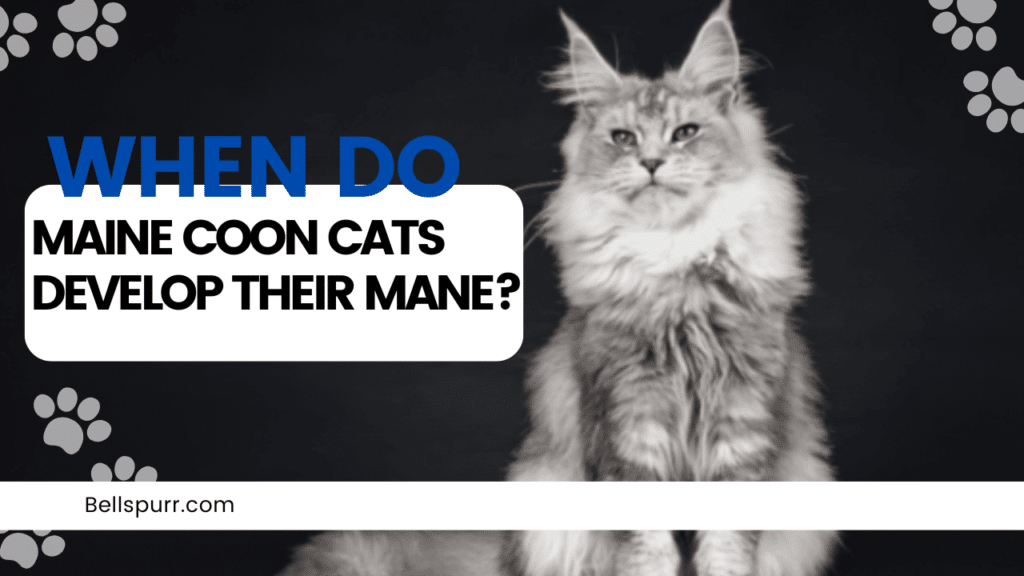
When Do Maine Coon Cats Develop Their Mane?
People know Maine Coon cats for their beautiful looks and friendly nature. This is why people call them the “gentle […]

People know Maine Coon cats for their beautiful looks and friendly nature. This is why people call them the “gentle […]
Maine Coon kittens go through several distinct growth stages that significantly impact their development. From birth to adulthood, each phase is characterized by unique physical and behavioral changes, making it essential for potential owners to be aware of these milestones.
During the first few weeks, Maine Coon kittens rely heavily on their mother for nourishment and warmth. As they grow, they begin to explore their surroundings and develop crucial social skills through play with their littermates. By the time they reach 8 weeks, they are typically ready for adoption, having started to eat solid food and exhibit playful behavior.
Caring for Maine Coon kittens requires attention to their specific needs, including diet, socialization, and health care. Understanding these requirements can help ensure a happy and healthy life for your new pet.
A balanced diet rich in protein is vital for the growth of Maine Coon kittens. Additionally, regular veterinary check-ups are essential to monitor their health and vaccinations. Socialization with both humans and other pets is also crucial during the early weeks to foster a well-adjusted adult cat.
Maine Coons are generally healthy, but they are prone to certain genetic conditions. Being aware of these potential health issues can help owners take preventive measures and seek timely veterinary care.
Some common health concerns include hypertrophic cardiomyopathy (HCM), which affects the heart, and hip dysplasia, a condition that can lead to arthritis. Regular veterinary check-ups and a healthy lifestyle can mitigate some risks associated with these conditions, ensuring your Maine Coon remains healthy throughout its life.
Choosing the right Maine Coon kitten involves considering several factors, including temperament, health, and the environment in which the kitten will live. Understanding your lifestyle and preferences can help you find a perfect match.
It’s important to meet the kitten's parents if possible, as this can give you insight into the potential temperament and health of the kitten. Additionally, consider adopting from reputable breeders who prioritize responsible breeding practices, ensuring the best start for your new furry friend.