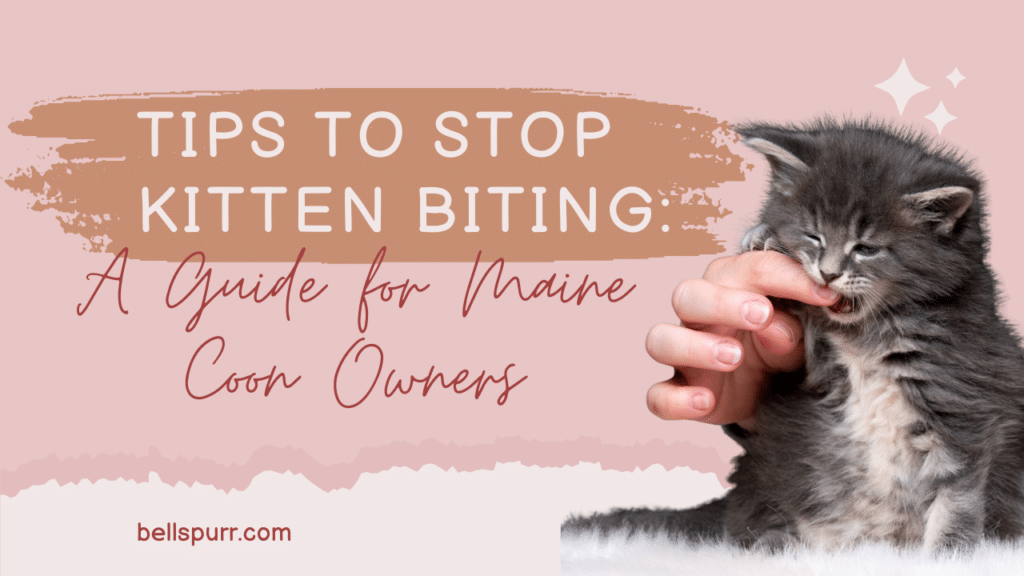
Understanding Maine Coon Kitten Behavior
Maine Coon kittens are known for their playful and affectionate nature, but understanding their behavior is crucial for new owners. Biting is a common behavior in kittens, often stemming from their natural instincts to play and explore their environment.
Recognizing the reasons behind biting can help owners address this behavior effectively. For instance, kittens may bite during play as a way to express excitement or to test their boundaries. By learning about these behaviors, owners can create a nurturing environment that promotes positive interactions.
Common Causes of Biting in Kittens
Several factors contribute to biting behavior in Maine Coon kittens. These can include teething, overstimulation, or a lack of proper play outlets. Understanding these causes allows owners to take proactive measures to mitigate biting incidents.
For example, providing appropriate toys and engaging in regular playtime can redirect a kitten's energy and reduce the likelihood of biting. Additionally, recognizing signs of overstimulation can help prevent aggressive play, ensuring a more harmonious relationship between owner and pet.
Effective Training Techniques to Curb Biting
Training is essential for managing biting behavior in Maine Coon kittens. Positive reinforcement techniques, such as rewarding desired behaviors with treats or praise, can effectively teach kittens what is acceptable during playtime.
Incorporating training sessions into daily routines helps reinforce good behavior consistently. For instance, when a kitten bites gently, owners can redirect them to a toy and reward them when they engage with it instead. This method not only curbs biting but also strengthens the bond between the owner and the kitten.
When to Seek Professional Help
While many instances of biting can be managed with training and understanding, there are times when professional help may be necessary. If a kitten's biting becomes aggressive or unmanageable, consulting a veterinarian or a professional animal behaviorist can provide valuable insights.
These professionals can assess the kitten's behavior and offer tailored strategies to address the issue. Early intervention is key, as it can prevent the development of more serious behavioral problems in the future.