
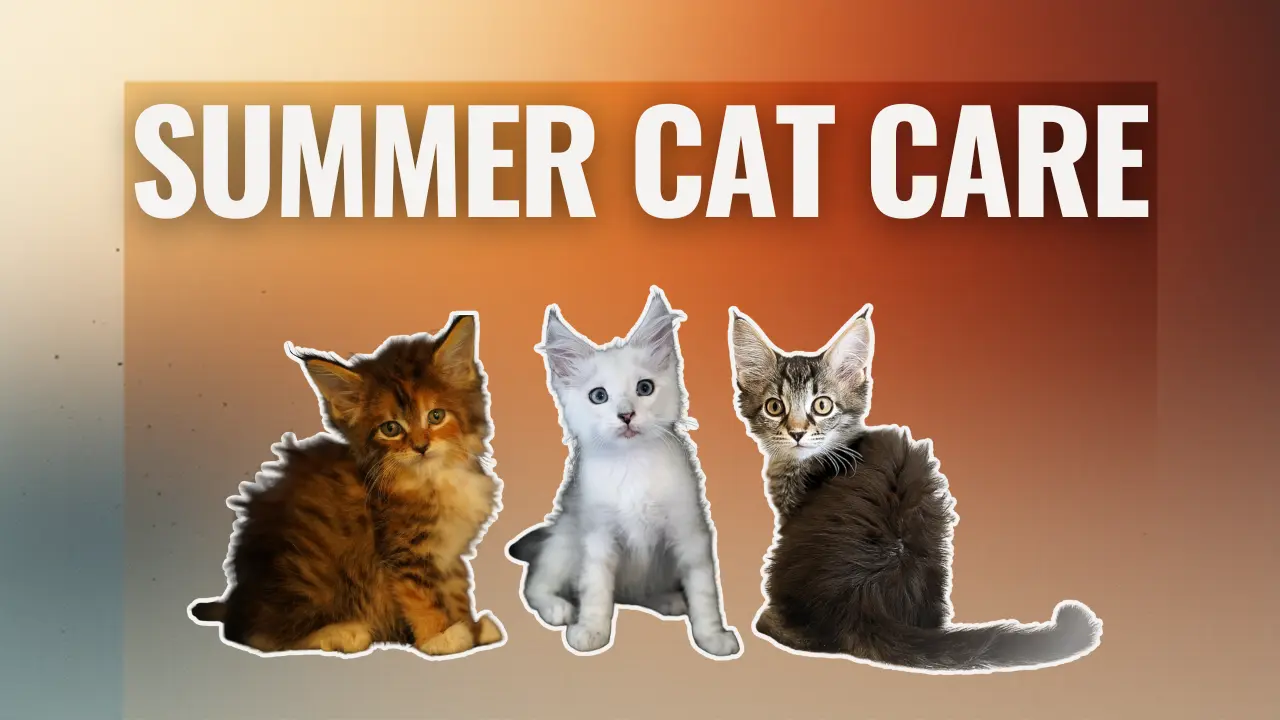
Summer Cat Care Tips for Maine Coons
Maine Coons balance majestic long coats with a surprisingly robust heat tolerance, yet high summer temperatures can still threaten their well-being. In this guide, you’ll discover how to recognise and prevent heatstroke, ensure optimal hydration, master summer grooming, create a cool living space, adjust your cat’s diet, plan safe activities and know when veterinary care is essential. Whether you’re a new kitten owner preparing for your feline’s first summer or a seasoned breeder at Bellespurr, these expert tips will help your Maine Coon thrive all season long.
What Are the Signs of Heatstroke in Maine Coons and How Can You Prevent It?
Heatstroke occurs when a cat’s body temperature rises above normal, disrupting vital functions and potentially causing organ damage. Recognising early symptoms and taking swift action can save your Maine Coon’s life.
What Are Common Heatstroke Symptoms in Maine Coons?
Before summer peaks, be alert to these warning signs in your Maine Coon:
- Panting: Rapid, open-mouth breathing indicates overheating. maine-coon-cat-nation.com
- Lethargy: Unusual sluggishness or reluctance to move signals heat stress. maine-coon-cat-nation.com
- Excessive Drooling: Profuse salivation often accompanies elevated body temperature. maine-coon-cat-nation.com
- Vomiting or Diarrhoea: Gastrointestinal distress can result from overheating. maine-coon-cat-nation.com
- Bright Red Gums: Inflamed oral tissues reflect circulatory distress. maine-coon-cat-nation.com
How Should You Respond to Heatstroke Emergencies in Cats?
- Move your cat to a shaded or air-conditioned area immediately.
- Offer lukewarm (not cold) water and apply damp towels to paws, belly, and neck.
- Continuously monitor respiratory rate and body temperature.
- Contact your veterinarian at once if symptoms persist beyond a few minutes.
Rapid cooling reduces core temperature safely, preventing shock and organ failure while you seek professional care.
What Are Effective Heatstroke Prevention Strategies for Maine Coons?
- Provide multiple water sources and rotating water-fountain stations.
- Keep indoor temperatures below 27 °C using fans or air conditioning.
- Limit outdoor activity to early morning or late evening hours.
- Increase shade access in garden spaces with umbrellas or natural canopy.
Recognizing and Preventing Heatstroke in Cats
Heatstroke in cats occurs when their body temperature rises above 104°F (40°C), potentially leading to organ damage and life-threatening complications. Key symptoms include excessive panting, drooling, lethargy, vomiting, and reddened gums. Immediate response involves moving the cat to a cool area, applying damp towels, and contacting a veterinarian. Prevention strategies include maintaining cool indoor temperatures, providing multiple water sources, and limiting outdoor activity during peak heat.
This research directly supports the article’s detailed explanation of heatstroke symptoms, emergency response, and prevention methods for Maine Coons.
How Can You Ensure Proper Hydration for Your Maine Coon During Summer?
Adequate hydration underpins your cat’s thermoregulation, kidney health and overall vitality in warm weather. Maine Coons require extra fluids to counter fluid losses caused by panting and increased activity.
Why Is Hydration Critical for Maine Coons in Hot Weather?
Water supports temperature control by enabling sweat-like paw-pad cooling and maintaining blood volume for efficient heat dissipation. For example, a well-hydrated Maine Coon stays active and alert, avoiding urinary complications that can arise from concentrated urine.
What Are the Best Hydration Methods: Water Bowls, Fountains, and Wet Food?
| Hydration Source | Key Attribute | Benefit |
|---|---|---|
| Standard Water Bowl | Wide surface area | Encourages natural drinking posture |
| Recirculating Fountain | Continuous fresh flow | Attracts cats with moving water, boosts intake |
| Wet Food | High moisture content (70–80%) | Supplements water intake and supports digestion |
How Can You Encourage Your Maine Coon to Drink More Water?
To boost your cat’s drinking habits:
- Offer fresh water in shallow bowls placed throughout the home.
- Introduce pet-safe flavour enhancers, such as low-sodium chicken broth.
- Rotate fountain styles and locations to spark curiosity.
Encouraging regular sips preserves hydration levels, making temperature control effortless for your Maine Coon all summer long.
What Are the Best Summer Grooming Practices for Maine Coons?
Summer grooming reduces shedding, prevents matting and enhances airflow through your cat’s dense coat. A consistent routine keeps your Maine Coon comfortable and minimises hairball formation.
Should You Shave Your Maine Coon in Summer?
No, shaving a Maine Coon disrupts the insulating function of its double coat, which protects against both heat and sunburn. Regular brushing removes loose undercoat without compromising the guard hairs that regulate body temperature and shield skin.
The Role of a Cat's Coat in Thermoregulation and Summer Grooming Practices
A cat’s fur, particularly the double coat of long-haired breeds like Maine Coons, provides natural insulation that helps regulate body temperature, protecting against both heat and cold. Shaving a cat’s coat can disrupt this thermoregulatory function and increase the risk of sunburn. Regular brushing is crucial to remove loose undercoat, enhance air circulation, and prevent matting without compromising the protective guard hairs.
This information verifies the article’s advice against shaving Maine Coons in summer and emphasizes the importance of consistent brushing for coat health and temperature regulation.
How Often Should You Brush Your Maine Coon to Manage Shedding and Overheating?
- Brush 3–4 times per week with a steel-toothed comb.
- Use a de-shedding rake once weekly during peak molt.
- Finish with a slicker brush to remove fine undercoat debris.
What Grooming Tools Are Recommended for Long-Haired Maine Coons in Summer?
- Undercoat Rake: Extracts loose fur from the dense underlayer.
- Slicker Brush: Polishes guard hairs and smooths the coat’s surface.
- Fine-Toothed Comb: Detangles minor mats without pulling hair.
How to Create a Summer Grooming Routine for Your Maine Coon?
- Inspect the coat for mats, debris or skin irritation.
- Gently rake undercoat to remove loose fur.
- Brush guard hairs in the direction of hair growth.
- Comb through scalp areas prone to matting, such as behind ears.
- Reward your cat with a small treat to reinforce positive behaviour.
Establishing this routine reduces seasonal shedding and promotes skin health, leaving your Maine Coon feeling refreshed.
How Can You Create a Cool and Comfortable Environment for Your Maine Coon in Summer?
A well-ventilated, shaded living space prevents temperature spikes and supports your cat’s natural cooling mechanisms.
What Indoor Cooling Strategies Help Maine Coons Beat the Heat?
Maintaining ambient comfort includes:
- Positioning fans or air conditioners near popular resting spots.
- Drawing curtains during midday to block direct sunlight.
- Elevating sleeping surfaces to allow airflow beneath the body.
Which Cooling Products Are Best for Maine Coons?
| Product | Feature | Benefit |
|---|---|---|
| Gel Cooling Mat | Self-refrigerating gel | Offers on-contact temperature reduction |
| Elevated Mesh Bed | Raised platform | Improves airflow around the torso |
| Cooling Bandana | Refreshable material | Chills neck area when dampened with water |
How Can Outdoor Areas Be Made Safe and Cool for Maine Coons in Summer?
- Provide shade with portable tunnels or shade cloths.
- Offer fresh water in shaded bowls to prevent rapid boiling.
- Schedule outdoor time before 10 am and after 6 pm to avoid peak sun.
Adapting your garden space creates a secure, cool environment for supervised exploration.
What Summer Diet Adjustments Should You Make for Your Maine Coon?
Heat can suppress appetite and alter energy needs, making dietary modifications essential for summer health and vitality.
How Does Summer Heat Affect Maine Coon Appetite and Energy Needs?
High temperatures often reduce food intake as digestion generates internal heat. Offering lighter, moisture-rich meals helps maintain energy without overheating the digestive system.
What Are the Best Hydrating and Light Meal Options for Summer?
Use these food strategies:
- Serve chilled wet food to combine nutrition with fluid intake.
- Offer small, frequent meals to reduce digestive stress.
- Include ice-cube treats made from low-sodium broth for enrichment and hydration.
How Can You Balance Nutrition While Keeping Your Maine Coon Cool?
- Rotate between high-protein wet food and balanced dry kibble.
- Supplement with moisture-rich cat-safe fruits like small apple slices.
- Monitor weight and adjust portion sizes based on activity levels.
Balancing macronutrients and water content preserves lean muscle mass while maintaining hydration.
What Are Safe Summer Activities and Playtime Tips for Maine Coons?
Keeping your Maine Coon active supports mental health and prevents boredom, but timing and setting are key to avoiding heat exposure.
When Is the Best Time of Day for Maine Coon Outdoor Play in Summer?
Early mornings and late evenings offer cooler temperatures:
- Schedule play sessions between 6–9 am or after 7 pm.
- Always check ground temperature to avoid paw-pad burns.
Timing activities wisely maximises safety and enjoyment.
What Indoor Games and Enrichment Ideas Keep Maine Coons Active and Cool?
- Hide treats in puzzle feeders to encourage mild activity.
- Use feather wands and laser pointers in air-conditioned rooms.
- Rotate toys weekly to maintain novelty and interest.
Indoor enrichment channels natural curiosity while avoiding excessive heat.
When Should You Consult a Veterinarian About Your Maine Coon’s Summer Health?
Professional guidance ensures any emerging health issues receive prompt, expert attention before they escalate.
What Symptoms Require Immediate Veterinary Attention in Summer?
- Persistent heavy panting or open-mouth breathing.
- Weakness, uncoordinated movements or collapse.
- Continuous vomiting or refusal of all food and water.
How Can Regular Vet Check-Ups Support Summer Health for Maine Coons?
- Detect underlying conditions that worsen in heat.
- Receive personalised hydration and dietary recommendations.
- Update vaccinations and preventive treatments for parasitic risks.
Preventative veterinary care fortifies your cat’s resilience against seasonal stressors.
Ensuring your Maine Coon stays cool, hydrated and safe in the warmer months combines attentive care with targeted products and routines. By recognising heatstroke warning signs, providing effective hydration, maintaining summer-focused grooming, optimising living spaces, adjusting diet, organising safe play and knowing when to seek professional help, you give your feline companion the best possible summer experience. For healthy, well-socialised purebred kittens and ongoing expert support, explore bellspurr.com and prepare your home for a season of comfort and vitality.