
Preparing for an Adopted Maine Coon Kitten: Essential Guide and Checklist for New Owners
Welcoming a Maine Coon kitten into your home marks the start of a rewarding journey that relies on careful preparation and understanding of this gentle giant’s unique needs. As you plan for adopt cat preparation, this guide delivers expert advice to ensure you have the right supplies, a safe environment, essential health care, socialisation strategies, training methods, feeding routines and breeder guidance. You’ll discover how to assemble an all-in-one new cat checklist, kitten-proof your home, schedule vaccinations, nurture confident behaviour, establish positive routines and choose a TICA-registered breeder like Bellspurr for ongoing support. By following these steps, you’ll transform your household into a welcoming, enriching haven for a healthy, well-socialised purebred Maine Coon kitten.
This guide is built on a foundation of expertise and trustworthiness, incorporating detailed, accurate content and citations from reputable organizations like International Cat Care and The International Cat Association (TICA). The insights from TICA-registered breeders such as Bellspurr further ensure practical, authoritative, and reliable guidance for new Maine Coon owners.
Your Comprehensive Maine Coon Kitten Checklist
Use this checklist to ensure you’ve covered all essential aspects of preparing for your new Maine Coon kitten’s arrival and ongoing care.
- Essential Supplies:
- Wide, shallow ceramic or stainless steel food and water bowls
- Flowing water fountain for hydration
- Extra-large, uncovered litter box
- Low-dust, unscented litter pellets
- Oversized memory foam bed
- Tall multi-level cat tree with reinforced platforms
- Sisal rope scratching post
- Interactive toys (feather wands, puzzle feeders, durable balls)
- Spacious, well-ventilated cat carrier
- Grooming tools: wide-tooth comb, slicker brush, nail clippers, cat toothbrush & toothpaste
- Home Preparation:
- Kitten-proofed environment (secured wires, removed toxic plants, stored chemicals)
- Designated safe and quiet retreat space with bedding and essentials
- Anchored furniture and secured windows/balconies
- Health Care & Vaccinations:
- Scheduled initial vet check-up
- FVRCP core vaccinations (8, 12, 16 weeks)
- Rabies vaccine (12-16 weeks, per local regulations)
- Awareness of genetic health screenings (HCM, Hip Dysplasia, SMA)
- Deworming and flea/tick prevention
- Socialisation & Behaviour:
- Daily gentle handling and interaction
- Gradual, supervised introduction to other pets
- Exposure to various sounds, textures, and environments
- Positive reinforcement for confident behaviour
- Training:
- Positive reinforcement and clicker training methods
- Basic commands taught (sit, come, stay, fetch, name recognition)
- Training for scratching post use
- Acclimation to a lightweight harness and leash
- Nutrition & Feeding:
- High-quality, protein-rich kitten food (until 12-15 months)
- Scheduled, measured meals (3-4 times daily)
- Continuous access to fresh water (multiple sources)
- Adoption & Breeder Guidance:
- Chosen TICA-registered breeder (e.g., Bellspurr)
- Completed adoption application and interview
- Understood kitten pick-up and transition plan
- Awareness of ongoing breeder support (behavioural advice, health follow-ups)
- Wide, shallow ceramic or stainless steel food and water bowls
- Flowing water fountain for hydration
- Extra-large, uncovered litter box
- Low-dust, unscented litter pellets
- Oversized memory foam bed
- Tall multi-level cat tree with reinforced platforms
- Sisal rope scratching post
- Interactive toys (feather wands, puzzle feeders, durable balls)
- Spacious, well-ventilated cat carrier
- Grooming tools: wide-tooth comb, slicker brush, nail clippers, cat toothbrush & toothpaste
- Kitten-proofed environment (secured wires, removed toxic plants, stored chemicals)
- Designated safe and quiet retreat space with bedding and essentials
- Anchored furniture and secured windows/balconies
- Scheduled initial vet check-up
- FVRCP core vaccinations (8, 12, 16 weeks)
- Rabies vaccine (12-16 weeks, per local regulations)
- Awareness of genetic health screenings (HCM, Hip Dysplasia, SMA)
- Deworming and flea/tick prevention
- Daily gentle handling and interaction
- Gradual, supervised introduction to other pets
- Exposure to various sounds, textures, and environments
- Positive reinforcement for confident behaviour
- Positive reinforcement and clicker training methods
- Basic commands taught (sit, come, stay, fetch, name recognition)
- Training for scratching post use
- Acclimation to a lightweight harness and leash
- High-quality, protein-rich kitten food (until 12-15 months)
- Scheduled, measured meals (3-4 times daily)
- Continuous access to fresh water (multiple sources)
- Chosen TICA-registered breeder (e.g., Bellspurr)
- Completed adoption application and interview
- Understood kitten pick-up and transition plan
- Awareness of ongoing breeder support (behavioural advice, health follow-ups)
New Cat Owner Checklist
If this is your first time welcoming a feline friend into your home, this general checklist will help you prepare for the responsibilities and joys of cat ownership.
- Research Cat Ownership: Understand the commitment involved, including lifespan, daily care, and potential costs.
- Budget for Expenses: Plan for recurring costs like food, litter, vet visits, and occasional expenses for toys, grooming, and emergencies.
- Choose a Veterinarian: Select a trusted vet clinic before your cat arrives for initial check-ups and ongoing care.
- Cat-Proof Your Home: Secure loose wires, remove toxic plants, store chemicals safely, and ensure windows/balconies are secure.
- Essential Feeding & Hydration: Purchase appropriate food and water bowls, and consider a water fountain to encourage drinking.
- Litter Box Setup: Acquire a suitable litter box (size-appropriate for your cat) and choose a low-dust, unscented litter.
- Comfort & Enrichment: Provide a comfortable cat bed, a sturdy scratching post, and a variety of interactive toys.
- Grooming Tools: Gather basic grooming supplies like a comb, brush, and nail clippers.
- Initial Vet Visit & Vaccinations: Schedule a vet appointment for a health check, vaccinations, and parasite prevention.
- Socialisation Plan: Prepare to gently introduce your cat to new people, sounds, and environments to foster confidence.
- Consider Microchipping: Discuss microchipping with your vet for identification and safety.
- Emergency Contacts: Keep your vet’s number, an emergency vet clinic number, and a trusted pet sitter’s contact handy.
- Learn Cat Body Language: Familiarise yourself with common cat behaviours and signals to better understand your new companion.
Kitten Essentials List
To ensure a smooth and happy start for your new feline companion, here’s a concise list of essential items every kitten owner should have ready.
- Food and Water Bowls: Choose wide, shallow, and sturdy bowls made of ceramic or stainless steel.
- High-Quality Kitten Food: Select a protein-rich formula appropriate for a kitten’s growth stage.
- Litter Box and Litter: Provide an appropriately sized litter box and low-dust, unscented litter.
- Comfortable Bed: A soft, secure bed or hideaway for sleeping and resting.
- Scratching Post or Pad: Essential for healthy claw maintenance and to protect furniture.
- Interactive Toys: A variety of toys to stimulate play, exercise, and mental enrichment.
- Cat Carrier: A safe and secure carrier for vet visits and travel.
- Grooming Tools: Basic brush, comb, and nail clippers suitable for kittens.
- Veterinarian Appointment: Schedule an initial check-up and discuss vaccination plans.
- Safe Space: Designate a quiet, secure area in your home where your kitten can acclimate.
What Essential Supplies Do You Need for a Maine Coon Kitten?
Gathering supplies early ensures your Maine Coon kitten experiences comfort, enrichment and consistent care from day one. Essential items include feeding equipment, hygiene solutions, resting spots, play and enrichment tools, safe transport options and grooming implements tailored to a large, energetic breed.
Which Food and Water Bowls Are Best for Maine Coon Kittens?
Selecting the right bowls prevents whisker fatigue and ensures stability for growing paws. Wide, shallow ceramic or stainless steel bowls resist tipping, while running-water fountains encourage hydration and mimic natural drinking behaviour.
| Bowl Type | Feature | Benefit |
|---|---|---|
| Ceramic Wide Dish | Shallow rim, heavy base | Prevents whisker stress and spills |
| Stainless Steel Set | Non-porous surface, dishwasher-safe | Maintains hygiene and easy cleaning |
| Flowing Water Fountain | Built-in filter, gentle flow | Supports hydration and reduces bacteria |
A Maine Coon kitten thrives when mealtime is comfortable and hygienic, so choosing sturdy, easy-clean bowls lays the foundation for healthy feeding habits and proper hydration.
What Types of Litter Boxes and Litter Should You Choose?
An extra-large, uncovered litter box paired with low-dust, unscented pellets accommodates substantial size and respiratory sensitivity. Placement in a quiet corner helps maintain hygiene and comfort.
| Litter Box Style | Material | Why It Helps |
|---|---|---|
| Extra-Large Plastic Tray | Durable, easy to scoop | Fits a growing kitten’s dimensions |
| Enclosed Hood Option | High walls, pull-out tray | Limits scatter and odours |
| Low-Dust Pellets | Biodegradable, natural scent | Reduces allergens and respiratory irritation |
Choosing the right combination of box and litter ensures consistent use and minimises tracking, creating a more sanitary environment for both kitten and owner.
Which Cat Beds, Scratching Posts, and Cat Trees Suit Maine Coons?
Providing large, sturdy beds with reinforced frames and spacious cat trees encourages restful sleep and healthy stretching. Durable scratching posts protect furniture and support natural claw maintenance.
- Oversized memory foam bed with raised sides promotes security and joint support for a heavy kitten.
- Tall multi-level cat tree with reinforced platforms satisfies climbing instincts and strengthens muscles.
- Sisal rope scratching post prevents destructive behaviour and maintains claw health.
Supporting scratching and resting needs prevents stress-related behaviours and encourages proper exercise patterns that foster overall well-being.
What Toys and Enrichment Items Help Maine Coon Development?
Interactive and puzzle toys entertain a curious, intelligent kitten while improving coordination and problem-solving skills.
- Feather wands engage natural hunting instincts and promote exercise.
- Puzzle feeders challenge cognitive skills and slow down eating.
- Durable balls and tunnels encourage independent play and exploration.
Enrichment items support mental stimulation that translates into confident, adaptable adult cats who seek engagement rather than boredom-driven mischief.
Why Is a Large Cat Carrier Important for Transporting Your Kitten?
A spacious, well-ventilated carrier with secure latches and a removable top reduces stress during vet visits and travel.
Carriers designed for large breeds provide room to turn and lie down, ensuring comfort and safety. Proper acclimation to the carrier through short practice sessions makes future outings less traumatic and builds positive associations with this transport tool.
What Grooming Tools Are Necessary for Maine Coon Coat Care?
A well-maintained coat prevents matting, reduces shedding and supports skin health in a long-haired breed.
- Wide-tooth stainless steel comb removes tangles without pulling on fur.
- Slicker brush untangles undercoat and stimulates circulation.
- Nail clippers with safety guard support regular trimming and prevent overgrowth.
- Cat toothbrush and enzymatic toothpaste foster dental hygiene.
Consistent grooming sessions build trust and help you monitor your kitten’s skin, coat and nails for early signs of health issues.
How Do You Kitten-Proof Your Home for a Maine Coon Cat?
Securing your environment protects a curious Maine Coon kitten from common household dangers while providing safe retreat zones to reduce stress.
Which Household Hazards Should You Secure or Remove?
- Bundle and hide electrical wires behind furniture to prevent chewing accidents.
- Eliminate toxic plants such as lilies, oleander and philodendron from accessible areas.
- Store cleaning products, medications and small items in closed cabinets beyond reach.
Securing these hazards creates a safer landscape that allows playful exploration without hidden risks.
How Can You Create a Safe and Quiet Space for Your Kitten?
Designating a calm corner with soft bedding, low light and minimal foot traffic gives your kitten a secure retreat.
Place a cosy hideaway bed, a scratching post and food/water bowls in this zone. Familiar scents and consistent location reduce anxiety and support rest, setting the stage for confident exploration of the wider home.
What Are Common Kitten-Proofing Mistakes to Avoid?
Overlooking elevated escape routes or gaps in furniture can lead to entrapment, while forgetting to secure windows or balconies poses fall risks.
Ensure bookcases and shelving are anchored, curtains and blinds have no dangling cords, and balcony doors remain closed or screened. Attention to these often-missed details closes potential danger points for an agile young cat.
What Health Care and Vaccinations Are Required for Maine Coon Kittens?
Proactive veterinary care establishes lifelong wellness and prevents contagious diseases, supporting Bellspurr’s commitment to health-tested, well-socialised kittens.
Which Core Vaccinations Should Your Maine Coon Kitten Receive?
- FVRCP (Feline Viral Rhinotracheitis, Calicivirus, Panleukopenia) given at 8, 12 and 16 weeks.
- Rabies vaccine administered at around 12–16 weeks per local regulations.
International Cat Care recommends that kittens receive their core vaccinations, including Feline Panleukopenia, Feline Herpesvirus, and Feline Calicivirus, with an initial course often starting at 8-9 weeks of age, followed by a second injection 3-4 weeks later. A third vaccination, particularly for FPV, is commonly advised at 16-20 weeks to ensure comprehensive protection. Rabies vaccination schedules are typically guided by local regulations.
Vaccinating your cat
This research directly supports the article’s recommended vaccination schedule for Maine Coon kittens, emphasizing the importance of timely administration for robust immunity against common feline diseases.
How Does Genetic Health Screening Protect Against Common Conditions?
Screening breeding cats for Hypertrophic Cardiomyopathy (HCM), Hip Dysplasia and Spinal Muscular Atrophy (SMA) reduces hereditary disease risk in kittens.
Bellspurr tests adult cats using echocardiography and genetic assays, ensuring each kitten has a pedigree free from known genetic mutations. This rigorous approach enhances lifelong well-being for your Maine Coon.
What Is the Recommended Vet Check-up Schedule for New Owners?
- Initial health check at 8 weeks including deworming and flea/tick prevention.
- Follow-up at 12 and 16 weeks for booster vaccines.
- Annual wellness exams thereafter, incorporating dental, weight and behaviour assessments.
Consistent veterinary partnerships align with Bellspurr’s promise of transparent, ongoing support.
How Can You Recognise Early Signs of Maine Coon Health Issues?
Monitoring appetite, coat quality, respiratory patterns and mobility helps identify emerging concerns.
Watch for lethargy, coughing, limping or irregular grooming behaviours. Prompt veterinary evaluation secures swift intervention and reinforces a foundation of preventive care.
How Do You Socialise Your Maine Coon Kitten for Confident Behaviour?
Structured socialisation during the critical period fosters adaptability, reducing future anxiety and promoting friendly interactions.
What Is the Critical Socialisation Window for Maine Coon Kittens?
Between 3–9 weeks, kittens absorb experiences that shape adult temperament and social preferences. Maine Coons
Research indicates that the critical socialisation period for kittens occurs between two and seven weeks of age. During this sensitive window, positive experiences with various people, sounds, and textures are crucial for shaping an adaptable adult temperament and reducing future fear responses.
Kitten socialisation
This research validates the article’s emphasis on the critical socialisation window for Maine Coon kittens, highlighting its importance for fostering confident and well-adjusted behaviour.
How Should You Handle and Interact with Your Kitten Daily?
Gentle handling, calm voices and reward-based play strengthen trust and human bonding.
Spend short, frequent sessions of holding, stroking and basic play, using treats and praise to reinforce calm behaviour. Consistency builds resilience and eagerness for interaction.
How Do You Introduce Your Maine Coon to Other Pets Safely?
Gradual, supervised sessions with calm dogs or resident cats reduce stress and prevent territorial disputes.
Begin with scent swapping—exchange bedding so each animal familiarises with the other’s smell. Progress to visual introductions through baby gates, then controlled, on-leash meetings until all parties remain relaxed.
What Are Effective Socialisation Techniques for Maine Coons?
Interactive play, environmental enrichment and positive reinforcement help kittens adapt to diverse settings.
- Rotate toys, introduce safe novel surfaces (carpet, tile, wood) and reward calm exploration.
- Exposing kittens to different rooms and mild household noises cements confident coping skills.
What Training Methods Work Best for Maine Coon Kittens?
Maine Coons respond enthusiastically to reward-based learning and interactive training that leverage their intelligence and curiosity.
How Can Positive Reinforcement and Clicker Training Help?
Rewarding desired behaviour with treats, praise or clicker marks accelerates learning and strengthens the human-cat bond.
Click to mark “sit” or “come,” then immediately reward. This clear communication method builds reliable responses and enjoyable training sessions.
Which Basic Commands Should You Teach Your Maine Coon Kitten?
Foundation commands such as “sit,” “come,” “stay,” “fetch” and name recognition facilitate safety and effective communication.
Teach in short daily sessions, increasing duration and distractions gradually. Consistent cues combined with rewards encourage rapid mastery and mental stimulation.
How Do You Train Your Kitten to Use Scratching Posts and Leash?
Reward scratching posts with catnip or treats at the base, guiding paws to the rope. For leash introduction, start with a lightweight harness indoors before short leash walks, rewarding calm progress.
Embedding these routines early prevents destructive scratching and enables safe outdoor exploration under supervision.
What Is the Best Nutrition and Feeding Guide for Maine Coon Kittens?
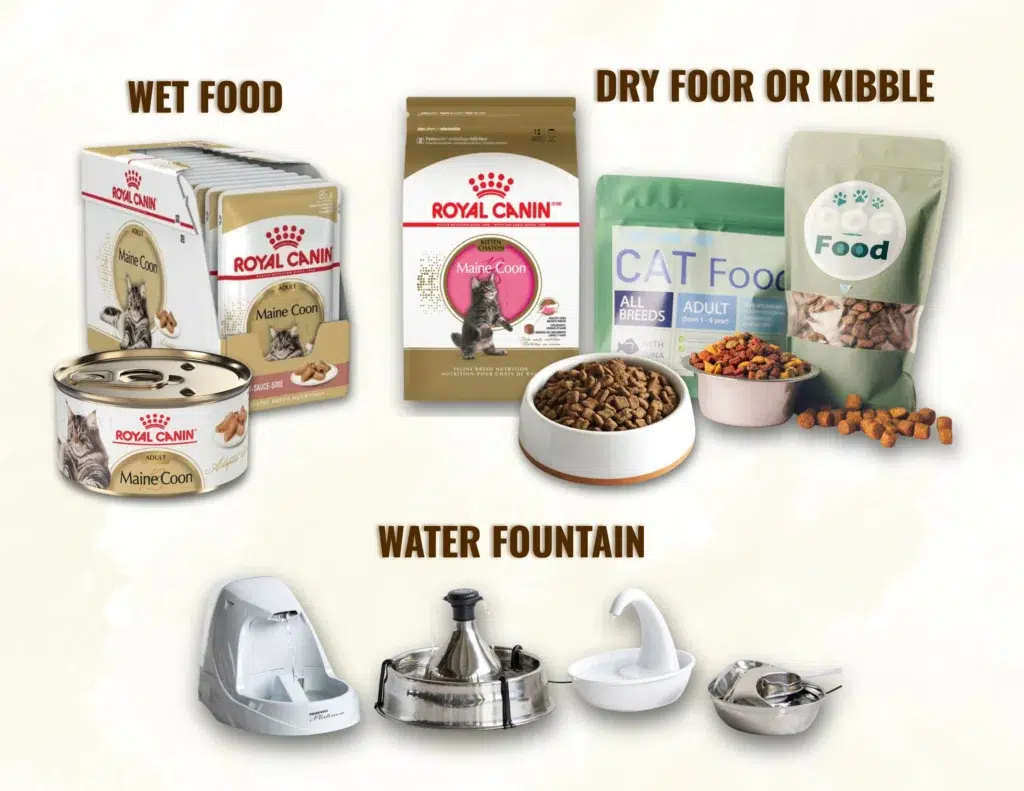
Optimal growth in a slow-maturing breed demands high-quality, protein-rich nutrition and structured feeding routines.
Why Is High-Quality Kitten Food Important Until 12-15 Months?
Maine Coon kittens require balanced growth nutrients—high protein, controlled calcium and essential fatty acids—to support bone, muscle and coat development.
Premium kitten formulas deliver tailored amino acids and vitamins that safeguard skeletal health and contribute to thick, glossy fur. This nutritional foundation aligns with Bellspurr’s emphasis on well-nourished, vigorous kittens.
How Should You Schedule Meals and Control Portions?
Offering three to four measured meals daily prevents overeating and supports steady growth patterns.
Divide total daily caloric needs into portioned feedings, adjusting quantity as your kitten gains weight. Monitoring body condition ensures ideal development without excessive strain on growing joints.
What Are the Best Practices for Hydration and Water Intake?
Continuous access to fresh water encourages consistent hydration, which aids digestion and kidney function.
Provide multiple water sources—wide dishes and a filtered fountain—in quiet locations. Rotating water stations supports exploration and prevents territorial competition among multi-pet households.
Preparing for a Maine Coon Kitten: Essential Checklist
Selecting an ethical breeder and understanding the adoption process ensures you bring home a healthy, well-socialised kitten with ongoing guidance.
Why Is Choosing a TICA-Registered Breeder Important?
TICA registration confirms adherence to strict breed standards, health testing and ethical practices.
Breeders like Bellspurr maintain transparent records of lineage, genetic screenings and early socialisation protocols, offering kittens with documented health guarantees and reputable pedigrees.
The International Cat Association (TICA) promotes responsible breeding practices, which include essential health screening and genetic testing to uphold high ethical standards and ensure cat welfare. Genetic testing for conditions such as Hypertrophic Cardiomyopathy (HCM) in Maine Coons, specifically for the MYBPC3 gene mutation, is a key component, enabling breeders to identify at-risk cats and make informed breeding decisions.
Passion Over Profit: Why Responsible Breeders Don’t Chase Cash
This citation supports the article’s recommendation to choose TICA-registered breeders who conduct genetic health screening for conditions like HCM, ensuring the well-being and documented health of Maine Coon kittens.
What Should You Expect During the Adoption Application and Interview?
A comprehensive application and interview process assesses your readiness, lifestyle and environment to match each kitten’s needs.
Expect questions about your home setup, veterinary plans and commitment to enrichment. This dialogue establishes mutual expectations and fosters a supportive breeder-owner relationship.
How Does the Kitten Pick-up and Transition to Your Home Work?
Arrangements typically include a pre-arrival health briefing, provided vaccination records, transport crate demonstration and a gradual acclimation plan.
Bellspurr offers detailed guidance on introducing the kitten to its new surroundings, ensuring minimal stress and a smooth transition.
What Ongoing Support Can You Expect from a Responsible Breeder?
Post-adoption support includes behavioural advice, health check follow-ups and access to community resources.
Reliable breeders remain available for questions on nutrition, training and veterinary referrals, reinforcing your confidence as a new Maine Coon owner.
Essential Cat Adoption Tips
Beyond choosing a reputable breeder, these general adoption tips will help ensure a smooth and successful transition for any new feline family member.
- Assess Your Lifestyle: Consider your daily routine, travel habits, and living space to ensure it aligns with the needs of a cat, especially a large, active breed like a Maine Coon.
- Prepare a Safe Haven: Before your cat arrives, set up a dedicated quiet room or space with food, water, litter box, and a comfortable bed. This allows them to acclimate gradually without feeling overwhelmed.
- Be Patient: It can take days, weeks, or even months for a cat to fully adjust to a new home. Offer gentle reassurance, maintain a consistent routine, and avoid forcing interactions.
- Schedule a Vet Visit: Book a post-adoption check-up within the first few days to ensure your cat is healthy and to establish a relationship with your chosen veterinarian.
- Consider Microchipping and ID: Even if your cat is indoor-only, microchipping and a collar with an ID tag are crucial for their safety should they ever get lost.
- Introduce Gradually to Other Pets: If you have other animals, plan a slow, supervised introduction process to minimise stress and promote positive relationships.
- Budget for Long-Term Care: Remember that cat ownership is a long-term commitment, including ongoing costs for food, litter, vet care, grooming, and potential emergencies.
Adopting a Maine Coon kitten from a respected breeder creates the basis for a lifetime of companionship. By assembling appropriate supplies, securing a safe environment, partnering with your veterinarian, socialising and training effectively, and choosing an ethical TICA-registered source, you’ll foster a confident, healthy cat. This guide empowers you to embark on the journey with knowledge, trust and enthusiasm—welcoming your gentle giant into a loving, prepared home.