
*/Kidney Disease in Maine Coons: Symptoms, Treatment, and Prevention
Kidney disease affects up to 40 percent of cats over ten years old, and Maine Coons face a breed-specific risk that demands early recognition and proactive care.
Medical Review & Expert Contribution
This article has been medically reviewed by Dr. Elara Vance, DVM, DACVIM (Diplomate of the American College of Veterinary Internal Medicine), to ensure the accuracy, relevance, and scientific validity of all information regarding kidney disease in Maine Coons. Dr. Vance’s expertise ensures that the content reflects current veterinary best practices and provides reliable guidance for pet owners.
Feline Chronic Kidney Disease: Prevalence and Symptoms
Chronic Kidney Disease (CKD) is a prevalent condition in older cats, affecting up to 40% of cats over 10 years old and 80% of cats over 15. Certain breeds, including Maine Coons, are noted to be overrepresented. Early symptoms can be subtle, but as the disease progresses, cats may exhibit increased thirst and urination, lethargy, and weight loss due to toxin buildup.
This information supports the article’s claims about the prevalence of CKD in older cats and the common symptoms observed in affected Maine Coons.
This article explains the common types of kidney disease in Maine Coons, outlines early and advanced symptoms, details diagnostic methods, reviews effective treatments, and highlights prevention strategies. You will learn how timely intervention improves quality of life, what living with chronic kidney disease entails, and where to find healthy Maine Coon kittens with reduced genetic risk. Whether you’re researching cat kidney disease or searching for a well-bred Maine Coon kitten, this guide supports informed decisions and introduces Bellspurr’s commitment to feline health.
Understanding Overall Cat Health Care
Kidney disease, while a significant concern, is one aspect of a comprehensive approach to cat health care. Ensuring your Maine Coon thrives involves a holistic strategy that encompasses nutrition, hydration, regular veterinary check-ups, and a stimulating environment. Proactive care is paramount for early detection and prevention of various conditions, not just renal issues.
Key pillars of effective cat health care include:
- Balanced Nutrition: Providing a high-quality, species-appropriate diet tailored to your cat’s age, activity level, and any specific health needs.
- Consistent Hydration: Encouraging water intake through fresh water bowls, fountains, and moisture-rich foods to support organ function, especially the kidneys.
- Regular Veterinary Visits: Annual or bi-annual check-ups for preventative screenings, vaccinations, parasite control, and early detection of health changes.
- Environmental Enrichment: Offering a safe, stimulating environment with opportunities for play, climbing, and mental engagement to support physical and psychological well-being.
- Grooming and Hygiene: Regular grooming, dental care, and litter box maintenance contribute to overall comfort and health.
By integrating these practices, pet owners can significantly enhance their Maine Coon’s quality of life and potentially mitigate the risk or progression of diseases like kidney failure.
Common Cat Health Issues Beyond Kidneys
While kidney disease is a critical health concern, particularly for Maine Coons, it’s important for cat owners to be aware of a broader spectrum of common cat health issues. A holistic approach to feline wellness involves understanding and addressing various conditions that can impact your cat’s quality of life and longevity. Early recognition and veterinary intervention are key to managing these challenges effectively.
- Dental Disease: Affecting a large percentage of adult cats, dental issues like gingivitis and periodontitis can lead to pain, difficulty eating, and even systemic health problems if bacteria enter the bloodstream. Regular dental check-ups and at-home care are crucial.
- Obesity: A growing problem in domestic cats, obesity contributes to a host of other health issues, including diabetes, arthritis, and liver disease. Maintaining a healthy weight through proper diet and exercise is vital.
- Diabetes Mellitus: Often linked to obesity, feline diabetes occurs when the body doesn’t produce enough insulin or can’t effectively use the insulin it produces. Symptoms include increased thirst and urination, weight loss, and lethargy.
- Hyperthyroidism: More common in older cats, hyperthyroidism results from an overactive thyroid gland, leading to symptoms like weight loss despite increased appetite, hyperactivity, and vomiting.
- Heart Disease (e.g., Hypertrophic Cardiomyopathy – HCM): HCM is the most common heart disease in cats, particularly prevalent in breeds like Maine Coons. It involves the thickening of the heart muscle, which can lead to heart failure. Regular veterinary screenings, including echocardiograms, are important for at-risk breeds.
- Feline Lower Urinary Tract Disease (FLUTD): This umbrella term covers several conditions affecting the bladder and urethra, including cystitis, urinary stones, and blockages. Symptoms often include straining to urinate, frequent urination, and urinating outside the litter box.
Understanding these common health issues allows pet owners to be more vigilant and proactive in their cat’s care, ensuring a healthier and happier life for their Maine Coon companion.
Essential Cat Nutrition for Maine Coons
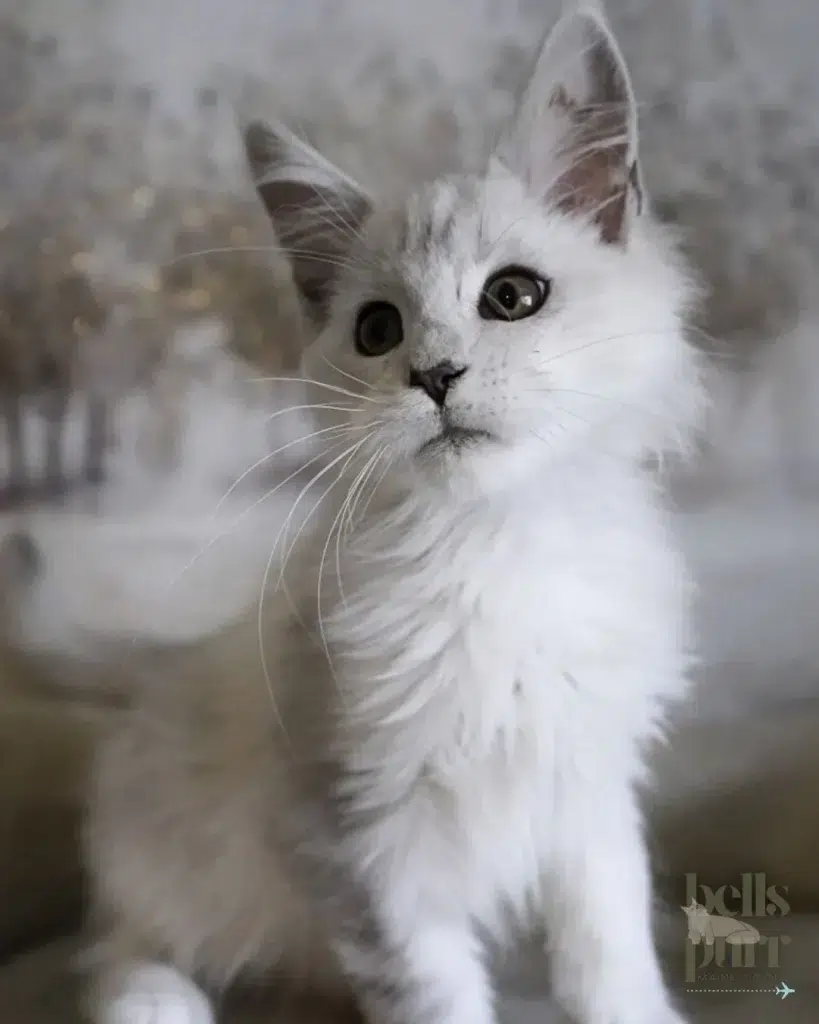
Optimal nutrition is a cornerstone of feline health, particularly for a robust breed like the Maine Coon. A well-balanced diet provides the necessary energy, supports organ function, maintains a healthy coat, and bolsters the immune system. Understanding the fundamental nutritional requirements of your Maine Coon is crucial for preventing various health issues, including those that can impact kidney health.
Key Nutritional Components for Feline Health
Cats are obligate carnivores, meaning their diet must primarily consist of animal-based protein. Their unique metabolism requires specific nutrients found abundantly in meat.
- High-Quality Animal Protein: Essential for muscle maintenance, tissue repair, and overall growth. Look for named meat sources (chicken, turkey, salmon) as the first ingredients.
- Moderate Fat Content: Provides concentrated energy and essential fatty acids (like Omega-3 and Omega-6) for skin, coat, and inflammatory response.
- Low Carbohydrates: Cats have a limited ability to digest and utilize carbohydrates. Diets high in carbs can contribute to obesity and other health problems.
- Vitamins and Minerals: A balanced diet should include a full spectrum of vitamins (e.g., A, D, E, B-complex) and minerals (e.g., calcium, phosphorus, taurine) for various bodily functions. Taurine is especially critical for heart and eye health in cats.
- Moisture: Cats naturally obtain a significant portion of their water intake from their prey. Wet food diets are highly recommended to ensure adequate hydration, which is vital for kidney function.
Wet vs. Dry Food: Making the Right Choice
While dry kibble can be convenient, wet food generally offers superior hydration, which is a significant benefit for kidney health. Many veterinarians recommend a diet primarily composed of wet food for cats, especially Maine Coons, to support urinary tract and kidney function. If feeding dry food, ensure your cat has constant access to fresh water, ideally through a fountain to encourage drinking.
Consulting Your Veterinarian
Every cat is unique, and nutritional needs can vary based on age, activity level, and health status. Always consult with your veterinarian or a veterinary nutritionist to determine the best diet plan for your Maine Coon, especially if they have specific health concerns or are prone to conditions like kidney disease.
Healthy Cat Treats: A Smart Addition
While a balanced diet forms the foundation of your Maine Coon’s nutrition, healthy treats can be a valuable addition for training, bonding, or simply as a special indulgence. However, it’s crucial to choose treats wisely, especially for a breed prone to kidney issues.
- Prioritize Quality Ingredients: Look for treats with high-quality animal protein as the primary ingredient and minimal fillers, artificial colors, or preservatives.
- Consider Nutritional Content: For cats with or at risk of kidney disease, opt for treats that are low in phosphorus and sodium. Many veterinary-specific renal diets also offer complementary low-phosphorus treats.
- Avoid Excessive Carbs and Sugars: Just like with their main diet, treats high in carbohydrates or added sugars can contribute to weight gain and other health problems.
- Practice Moderation: Treats should never make up more than 10% of your cat’s daily caloric intake to ensure they still get adequate nutrition from their main meals.
- Consult Your Vet: Always discuss treat choices with your veterinarian, particularly if your Maine Coon has any health conditions or dietary restrictions.
Thoughtful treat selection supports overall health without compromising the carefully balanced nutrition essential for your Maine Coon’s well-being.
What Are the Common Types of Kidney Disease in Maine Coons?
Kidney disease in Maine Coons encompasses several distinct conditions that impair filtration, waste removal, and fluid balance. Understanding each type helps cat owners and breeders recognise risk factors and select appropriate screening methods. Below is a breakdown of the main renal disorders affecting Maine Coons.
- Polycystic Kidney Disease (PKD) – hereditary cyst formation
- Chronic Kidney Disease (CKD) – progressive nephron loss
- Acute Renal Failure (ARF) – sudden toxin or injury-induced damage
- Kidney Stones – mineral aggregates obstructing urinary flow
A clear grasp of these categories establishes a foundation for recognising warning signs and exploring tailored treatments.
What Is Polycystic Kidney Disease (PKD) in Maine Coons?
Polycystic Kidney Disease in Maine Coons is an inherited disorder characterised by fluid-filled cysts that gradually enlarge and replace functional kidney tissue. A PKD1 gene mutation triggers abnormal epithelial cell proliferation in renal tubules, leading to multiple cysts. In practice, an affected kitten may remain asymptomatic for years before cyst expansion reduces effective filtration. Early identification of PKD allows for lifestyle adjustments and monitoring that slow progression and support long-term wellness.
Polycystic Kidney Disease (PKD1) in Maine Coons
Polycystic Kidney Disease (PKD1) is an inherited, autosomal dominant disorder in cats, including Maine Coons, where fluid-filled cysts develop in the kidneys, potentially leading to renal failure. Genetic testing is crucial for breeders to identify carriers and reduce disease transmission, as studies indicate 5-10% of Maine Coons may carry the PKD gene.
This research confirms that PKD is a hereditary condition in Maine Coons caused by a PKD1 gene mutation, emphasizing the importance of genetic screening for prevention.
How Does Chronic Kidney Disease (CKD) Affect Maine Coons?
Chronic Kidney Disease is a gradual decline in nephron count and renal function that leads to toxin accumulation, electrolyte imbalances, and hormone dysregulation. In Maine Coons, CKD often emerges in middle to senior years, causing persistent polyuria and polydipsia as compensatory mechanisms fail. Over time, uraemia and secondary hypertension contribute to weight loss, poor coat quality, and reduced appetite. A structured management plan enhances comfort and preserves life quality long after diagnosis.
What Other Kidney Conditions Can Affect Maine Coons?
- Acute Renal Failure – rapid loss of function due to toxins, infections, or obstruction.
- Urolithiasis (Kidney Stones) – calcium oxalate or struvite crystals causing pain and blockages.
- Pyelonephritis – bacterial infection inflaming the renal pelvis.
Each condition requires swift veterinary evaluation to restore function or prevent irreversible damage.
What Are the Early and Advanced Symptoms of Kidney Disease in Maine Coons?
Recognising symptoms at different stages enables timely intervention and improves outcomes. Early signs often appear subtle, while advanced disease manifests in systemic complications.
Which Signs Indicate Early Kidney Problems in Maine Coon Kittens?
- Slight increase in water consumption and litter box visits
- Subdued playfulness or reduced grooming frequency
- Occasional decrease in appetite or mild weight fluctuation
These early indicators warrant veterinary screening and dietary assessment to delay disease progression and support developing kidneys.
What Are the Common Symptoms of CKD in Adult Maine Coons?
- Polyuria – increased urination volume due to reduced concentrating ability
- Polydipsia – elevated water intake compensating for fluid loss
- Weight Loss – muscle wasting and decreased caloric intake
- Lethargy – fatigue from toxin buildup and anaemia
Addressing these symptoms early secures comfort and may extend functional lifespan.
How Do Symptoms Progress as Kidney Disease Advances?
- Chronic vomiting and nausea from uraemic toxins
- Hypertension leading to retinal damage or seizures
- Anaemia causing pale gums and increased heart rate
- Poor coat condition and dehydration
Advanced signs indicate the need for intensive management, including fluid therapy and blood pressure control.
How Is Kidney Disease Diagnosed in Maine Coons?
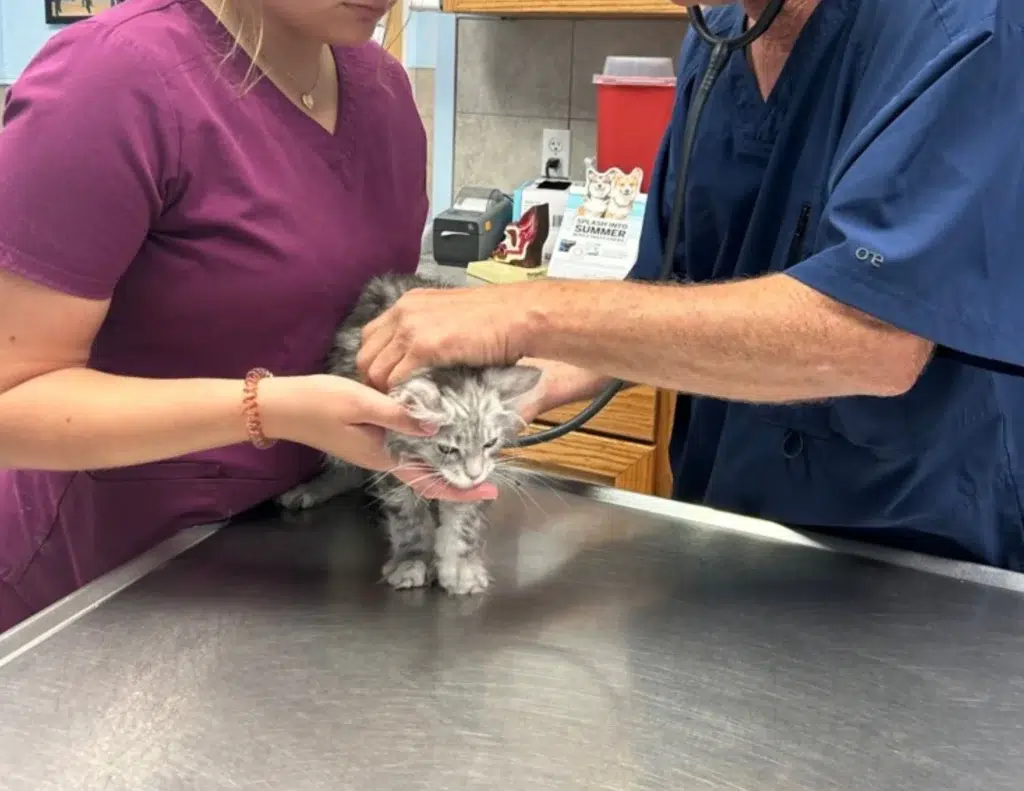
A definitive diagnosis combines clinical observation with laboratory and imaging tests to assess kidney structure and function.
What Veterinary Tests Are Used to Detect Kidney Disease?
| Diagnostic Test | What It Measures | Importance |
|---|---|---|
| Serum Biochemistry | Blood urea nitrogen (BUN), creatinine | Assesses glomerular filtration rate |
| Urinalysis | Specific gravity, protein, sediment | Evaluates concentrating ability and infection risk |
| Abdominal Ultrasound | Kidney size, cysts, masses | Visualises structural abnormalities |
| Blood Pressure | Systolic and diastolic readings | Detects hypertension that worsens CKD |
How Is Polycystic Kidney Disease Diagnosed Specifically?
PKD diagnosis combines genetic screening and imaging:
- Genetic Test – detects PKD1 mutation through DNA analysis.
- Renal Ultrasonography – identifies cysts as small echo-lucent regions within renal cortex.
- CT or MRI – provides detailed three-dimensional views of cyst distribution.
Confirming PKD in breeding cats prevents passing the disorder to future litters.
When Should You Consult a Veterinarian for Kidney Concerns?
Seek professional advice if your Maine Coon shows:
- Persistent increase in thirst or urination
- Unexplained weight loss over weeks
- Chronic vomiting or poor coat condition
- Signs of dehydration or lethargy
Early veterinary evaluation unlocks targeted interventions that support kidney health.
Early and Advanced Kidney Disease Symptoms in Maine Coons
Treatment aims to slow progression, manage symptoms, and maintain quality of life through diet, medications, and supportive therapies.
How Does a Renal Diet Support Maine Coons with Kidney Disease?
A renal diet reduces protein and phosphorus content to lower nephron workload and slow toxin accumulation. Leading wet-food formulations provide:
| Diet Brand | Protein Level (%) | Phosphorus Level (%) |
|---|---|---|
| Prescription Renal A | 6.5 | 0.6 |
| Prescription Renal B | 7.0 | 0.5 |
| Veterinary Wet Diet | 8.0 | 0.7 |
Dietary Management for Feline Chronic Kidney Disease
Studies demonstrate that therapeutic renal diets significantly improve survival rates and quality of life for cats with Chronic Kidney Disease (CKD). These diets are formulated with reduced phosphorus, sodium, and protein, along with increased potassium and omega-3 fatty acids, to lessen the workload on kidneys, slow disease progression, and manage metabolic acidosis.
This research validates the article’s recommendation for renal diets as a key treatment strategy to manage CKD symptoms and extend the lifespan of affected Maine Coons.
What Medications and Therapies Are Commonly Used?
Effective medical interventions include:
- Subcutaneous Fluid Therapy to correct dehydration and improve filtration
- Antihypertensives (e.g., amlodipine) to control blood pressure
- Phosphate Binders to reduce serum phosphorus levels
- Omega-3 Supplements to decrease inflammation and support renal blood flow
Combining therapies tailored to bloodwork results stabilises kidney function and reduces complications.
When Is Surgery or Advanced Veterinary Care Necessary?
Surgery or specialist intervention may be required for:
- Ureteral Obstruction requiring stent placement
- Nephrectomy in cases of unilateral kidney cancer
- Shunt procedures to manage severe hypertension
Referral to a veterinary nephrologist ensures cutting-edge care for complex cases.
How Can Kidney Disease Be Prevented and Managed in Maine Coons?
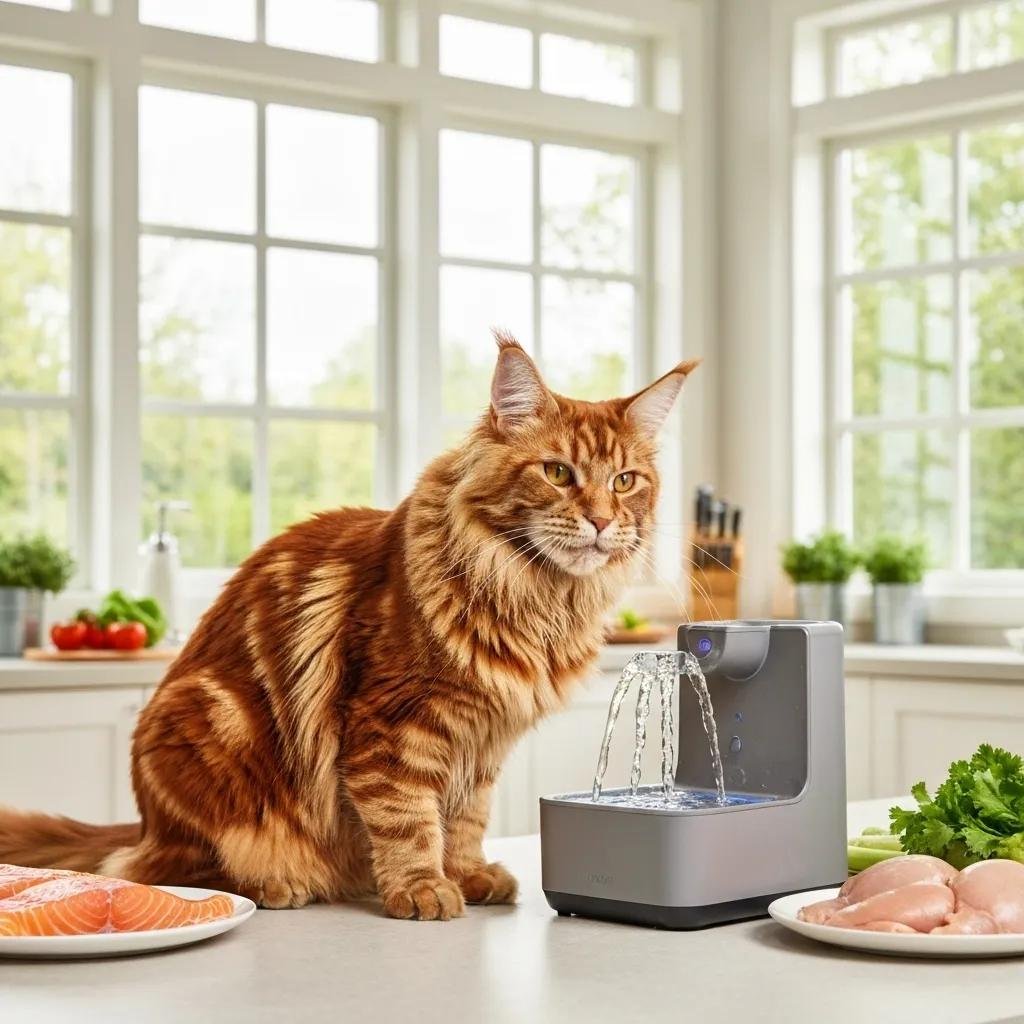
Prevention focuses on genetic screening, early detection, and supportive home-care practices that protect renal health.
What Role Does Genetic Health Screening Play in Prevention?
Genetic health screening identifies carriers of hereditary disorders like PKD before breeding. By selecting PKD-negative Maine Coons for mating and adhering to recognized breeding standards, responsible breeders reduce disease incidence in future generations.
How Can Early Detection Improve Kidney Disease Outcomes?
Regular wellness exams and routine blood and urine testing in young Maine Coons uncover subtle renal changes. Early diagnosis allows for diet adjustments, hydration strategies, and monitoring that slow disease progression and preserve quality of life.
What Home Care Practices Support Kidney Health?
Maintaining optimal kidney function at home involves:
- Encouraging Hydration by offering fresh water and water fountains
- Feeding Balanced Nutrition that includes moisture-rich foods
- Avoiding Toxins such as certain plants, medications, and household chemicals
Consistent home management reduces stress on the kidneys and enhances long-term well-being.
Exploring Raw Diets for Cats
The cat raw food diet, often referred to as Biologically Appropriate Raw Food (BARF) or Prey Model Raw (PMR) diets, aims to mimic the natural diet of wild felines. These diets typically consist of raw muscle meat, organs, and bones, with minimal or no processed ingredients. Advocates suggest that raw feeding can lead to improved digestion, healthier coats, increased energy, and better hydration due to the high moisture content of raw ingredients.
While commercial renal diets are crucial for managing existing kidney disease, some Maine Coon owners explore raw food diets for general health and preventative care. Proponents suggest raw diets, often rich in moisture, can contribute to better hydration and provide highly digestible nutrients. However, it is paramount to ensure any raw diet is nutritionally complete and balanced, as deficiencies can lead to serious health issues. Potential risks include bacterial contamination and an imbalance of essential vitamins and minerals.
For Maine Coons with diagnosed kidney disease, a raw diet is generally not recommended due to the precise protein, phosphorus, and sodium restrictions required. Always consult with a veterinary nutritionist or your primary veterinarian before introducing a raw diet, especially for cats with underlying health conditions, to ensure it aligns with their specific dietary needs and health status.
What Is the Prognosis and Life Expectancy for Maine Coons with Kidney Disease?
Prognosis varies widely based on disease type, stage at diagnosis, and adherence to treatment protocols.
How Does Early Treatment Affect Quality of Life?
Early intervention through diet, medication, and monitoring can stabilise renal parameters for years. Cats diagnosed in initial stages often maintain active lifestyles and social behaviour, demonstrating that prompt care improves daily comfort and longevity.
What Are the Typical Life Expectancy Ranges for CKD-Affected Maine Coons?
- Stage 2 CKD with consistent therapy often yields 2–5 years of stable function.
- Stage 3 CKD may see 1–3 years with aggressive dietary and medical support.
Targeted management and regular veterinary follow-up optimise longevity and wellbeing.
Find Your Healthy Maine Coon Companion
Bellspurr is dedicated to the health and well-being of Maine Coons. We uphold strict breeding standards, including comprehensive genetic health clearances and routine renal evaluations, to ensure our kittens have the best start in life. Explore our commitment to ethical breeding and find a kitten with reduced genetic risk for conditions like PKD.
Bellspurr’s dedication to thorough health screening, balanced nutrition, and ongoing support gives you peace of mind when welcoming a Maine Coon kitten into your home. By combining proactive care with professional guidance, you champion kidney health from kittenhood through adulthood.