
Caring for a Senior Maine Coon: Health & Wellbeing Guide
This article has been medically reviewed by Dr. Anya Sharma, DVM, DACVIM (Internal Medicine), a board-certified veterinary internal medicine specialist, to ensure accuracy, relevance, and adherence to the latest veterinary guidelines, including the AAFP Senior Care Guidelines for Cats. Last updated: October 26, 2023.
Maine Coons often reach 12–15 years of age, with many living into their late teens when given attentive senior cat care. As these gentle giants enter their golden years, subtle shifts in behaviour, appetite and mobility signal distinct needs. This guide delivers actionable insight on recognising ageing symptoms, managing common health issues, selecting the ideal senior diet, adapting your home environment, scheduling veterinary check-ups and enhancing everyday wellbeing. You’ll learn breed-specific strategies, from arthritis support to cognitive enrichment, while discovering how Bellspurr’s health-tested breeding practices lay the foundation for a lifetime of vitality.
Understanding comprehensive cat health is paramount for senior Maine Coons. It encompasses not just the absence of disease, but also optimal physical condition, mental well-being, and a supportive environment. This guide delves into all facets of maintaining peak cat health for your aging companion.
What Are the Key Signs of Aging in a Senior Maine Coon?
A senior Maine Coon typically shows behavioural, physical and sensory changes after age 11. Recognising these signs early allows targeted interventions that preserve comfort and quality of life.
How Does Age Affect a Maine Coon’s Behaviour and Activity Levels?
Maine Coons often become less exploratory and more reserved with advancing years. They may nap longer, decline high jumps and show lower play drive due to joint stiffness or diminished energy metabolism. This behavioural shift usually emerges gradually over months and reflects evolving physiological needs. Observing reduced climbing or slower response times signals it’s time to adjust exercise routines, introduce low-impact enrichment and monitor for pain indicators before progressing to medical management.
What Physical Changes Indicate Your Maine Coon Is Becoming a Senior?
Physical traits evolve as Maine Coons age: muscle tone diminishes, coat density may thin and weight fluctuations become common. You might detect harder-to-palpate shoulder blades or enlarged joints from osteoarthritis. Vision and hearing often decline, so you may notice hesitation on stairs or startle reactions. Regular grooming checks and gentle handling reveal coat mattes or dental tartar that require prompt attention. These physiological changes prepare the way for in-depth health screenings and lifestyle adjustments.
When Should You Consider Your Maine Coon a Senior or Geriatric Cat?
Veterinary guidelines mark maturity at 7 years, senior status between 11–14 years and super-senior at 15+ years. An 11-year-old cat equates to about 60 human years, indicating increased risk for arthritis, kidney disease and hyperthyroidism. Recognising life stages guides preventive check-ups: biannual exams for seniors and quarterly visits for super-seniors. Aligning care protocols with these age brackets ensures timely interventions that ease transitions into each life stage.
2021 AAFP Senior Care Guidelines for Maine Coons
These comprehensive guidelines provide updated recommendations for the care of aging cats, defining senior status, outlining the importance of regular veterinary visits, and addressing common health issues, nutrition, and quality of life considerations. They emphasize a collaborative approach between veterinarians and cat owners for informed decision-making regarding senior maine coon health.
This guideline directly supports the article’s information on defining senior cat stages, recommended veterinary check-up frequencies, and the holistic approach to senior cat care, including managing common health issues and enhancing quality of life.
What Common Health Issues Affect Senior Maine Coons?
Senior Maine Coons face five primary medical conditions that often require tailored diets, supplements and veterinary therapies. Early detection and breed-specific management preserve mobility, organ function and mental acuity.
How to Recognise and Manage Arthritis and Joint Pain in Older Maine Coons?
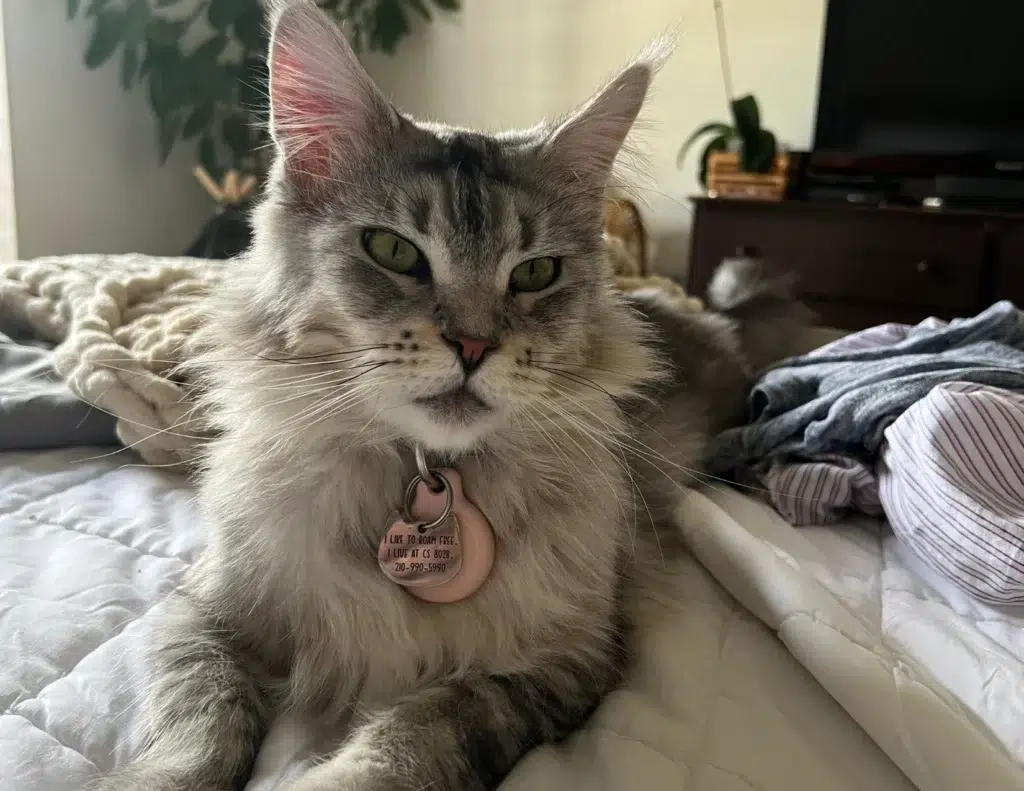
Arthritis in Maine Coons manifests as limping, reluctance to jump and joint swelling. Veterinary diagnosis typically involves X-rays and pain scoring. Management combines weight control, NSAIDs or joint supplements. Below is a comparison of popular supplements that support cartilage health and alleviate discomfort.
| Supplement | Mechanism | Benefit |
|---|---|---|
| Glucosamine | Cartilage regeneration | Reduces joint stiffness |
| Chondroitin sulfate | Proteoglycan synthesis | Improves joint lubrication |
| Omega-3 fatty acids | Anti-inflammatory modulation | Supports joint comfort and heart health |
Complement supplement regimens with gentle physiotherapy and low-impact play, transitioning smoothly into dietary adjustments for renal function support.
What Are the Symptoms and Treatments for Kidney Disease in Senior Maine Coons?
Chronic kidney disease often presents as increased thirst, weight loss and poor coat condition. Diagnosed via blood tests (creatinine, SDMA) and urinalysis, early-stage management focuses on hydration support and renal diets. Prescription renal formulas reduce phosphorus and maintain protein at levels that minimise waste accumulation. Homemade broths or wet food rich in EPA/DHA also bolster hydration. Routine monitoring of kidney markers guides diet tweaks and fluid therapy to slow disease progression.
How Does Hyperthyroidism Impact Senior Maine Coons and How Is It Treated?
Hyperthyroidism causes rapid weight loss despite increased appetite, vomiting and restlessness. Elevated T4 levels confirm diagnosis, while treatment options include antithyroid medication, dietary iodine restriction or radioiodine therapy. Cats on methimazole require dose adjustments guided by regular blood panels. Dietary management with iodine-controlled veterinary diets complements medical therapy. With prompt treatment, seniors regain energy balance and stable body condition, bridging seamlessly to preventive wellness checks.
What Dental Problems Are Common in Elderly Maine Coons and How Can You Prevent Them?
Periodontal disease, broken teeth and gingivitis emerge from plaque buildup and decreased self-grooming. Twice-yearly professional dental cleanings combined with daily brushing reduce bacterial colonisation. Incorporating dental treats designed for cats and textured toys encourages mechanical plaque removal. Early treatment of tooth resorption and gingival inflammation prevents systemic infections that could tax aging organs.
How to Identify and Support Cognitive Dysfunction Syndrome in Senior Maine Coons?
Feline cognitive dysfunction presents as confusion, altered sleep cycles and reduced litter-box habits. Diagnosis relies on behavioural history and exclusion of other conditions. Environmental enrichment—routine puzzle feeders, varied toys and consistent schedules—supports mental stimulation. Dietary antioxidants like vitamins E and C, along with medium-chain triglycerides, show promise in sustaining neuronal health. This approach dovetails with arthritis management by promoting gentle activity and preserving cognitive resilience.
Cognitive Dysfunction in Cats: Update on Neuropathological and Behavioural Changes Plus Clinical Management
This review article details Feline Cognitive Dysfunction Syndrome (CDS) in cats, highlighting its similarities to human Alzheimer’s disease, its behavioral and neuropathological changes, and various management strategies including environmental enrichment, dietary supplements, and potential medications.
This research provides verified information on the symptoms, diagnosis, and management of cognitive dysfunction syndrome in senior cats, directly supporting the article’s section on identifying and supporting cognitive dysfunction.
What Is the Best Nutrition for a Senior Maine Coon?
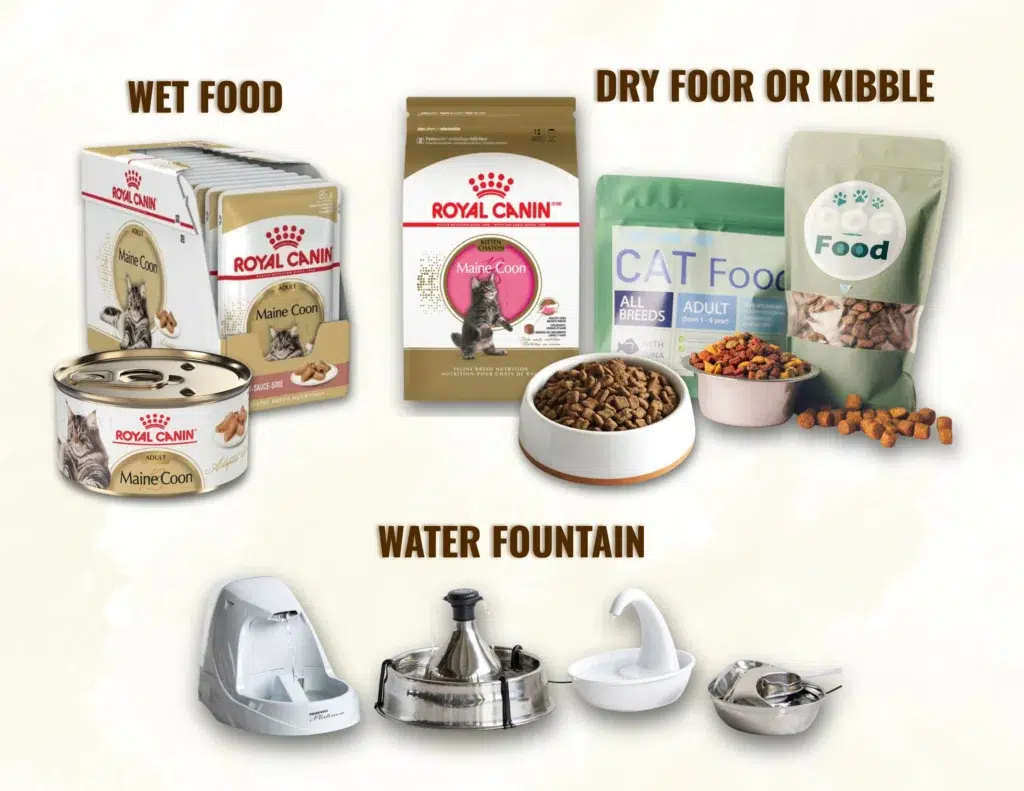
Nutrition for senior Maine Coons balances high-quality protein, optimal hydration and targeted supplements to support joint, kidney and cognitive health. Diet adjustments minimise muscle wasting and encourage fluid intake.
Which Foods Support Healthy Aging in Older Maine Coons?
- High-protein wet diets using premium animal sources to preserve lean mass
- Moderate phosphorus and sodium levels to ease renal workload
- Digestible fats and moderate carbohydrates for steady energy
Feeding small, frequent meals maintains appetite and nutrient uptake. Combining prescription formulas with top-tier brands ensures both palatability and clinical efficacy.
How Do Protein and Hydration Needs Change for Senior Maine Coons?
A decline in digestive efficiency means seniors need slightly higher protein to prevent muscle loss. Wet foods provide up to 75% water, supporting kidney function and preventing dehydration. Offering water fountains encourages intake, while broths or water-enhanced meals reinforce fluid balance. Gradual changes avoid digestive upset and ease the transition to new feeding protocols.
What Supplements Help Improve Joint and Kidney Health in Senior Maine Coons?
Introducing joint and renal support supplements can complement prescription diets.
| Supplement | Mechanism | Benefit |
|---|---|---|
| Omega-3 (EPA/DHA) | Anti-inflammatory modulation | Alleviates joint pain, supports heart |
| Antioxidants (Vitamin E) | Cellular protection | Slows kidney damage progression |
| Probiotics | Gut flora balance | Enhances nutrient absorption |
Administer these under veterinary guidance to ensure synergy with medications and diets. Balanced supplementation dovetails with lifestyle changes for maximal quality-of-life improvements.
How to Choose the Best Senior Maine Coon Food: Wet vs. Dry Options?
Selecting wet or dry formats hinges on hydration, dental health and convenience.
| Food Type | Hydration Level | Protein Density | Ideal Use |
|---|---|---|---|
| Wet Food | ~75% water | Moderate to high | Encourages fluid intake and palatability |
| Dry Food | ~10% water | Variable | Convenient, supports mild dental abrasion |
Many owners combine both to optimise moisture intake and oral health. Introducing new textures gradually preserves appetite and reduces digestive disturbances.
Healthy Treats for Senior Maine Coons
Treats can be a wonderful way to bond with your senior Maine Coon and provide additional nutrients, but moderation and appropriate choices are key. Opt for treats that are low in calories, easy to chew, and offer functional benefits such as dental health support or added omega-3s. Avoid treats with excessive fillers, artificial colours, or high sugar content. Small pieces of cooked, unseasoned chicken or fish can be excellent natural options, as also can veterinary-approved dental chews designed for older cats. Always consider your cat’s specific health conditions, such as kidney disease or diabetes, when selecting treats and consult your veterinarian for recommendations.
How Can You Improve the Environment for a Senior Maine Coon’s Comfort?
What Home Modifications Make Life Easier for Older Maine Coons?
Installing ramps and low-rise steps to favourite perches alleviates joint stress. Elevating food and water stations to elbow height prevents stooping discomfort. Switching to low-sided litter trays simplifies entry and exit. Placing non-slip mats under resting areas and feeders minimises slipping risks. Combined, these adaptations restore independence and mobility.
How Does Environmental Enrichment Support Senior Maine Coon Wellbeing?
Enrichment counters cognitive decline and boredom. Hiding treats inside puzzle toys, rotating scratching posts and scheduling gentle play sessions maintain mental sharpness. Soft bedding in quiet zones encourages restful sleep, while scenic window perches with secure barriers offer safe observational enrichment. Gradual changes maintain security for older cats.
What Are the Best Practices for Grooming a Senior Maine Coon?
Long-haired seniors need gentle daily brushing to prevent matting and skin irritation. Use curved clippers or wide-toothed combs on thick undercoats. Trim nails every 2–3 weeks to reduce joint strain and avoid ingrown claws. Check ear canals for wax buildup and clean teeth with feline-safe toothpaste. Regular grooming sessions double as health check opportunities, revealing lumps, wounds or coat changes, you can also check bellspurr youtube channel for the grooming video.
How Often Should Senior Maine Coons Have Veterinary Check-Ups?
What Are the Essential Veterinary Tests for Senior Maine Coons?
- Blood panels (kidney, liver, thyroid markers)
- Urinalysis (hydration status, renal function)
- Blood pressure screening (hypertension risk)
- Dental evaluation (periodontal disease)
- Orthopaedic assessment (joint range of motion)
These diagnostics track evolving conditions and guide proactive interventions.
When Should You Seek Immediate Veterinary Attention for Your Senior Maine Coon?
- Sudden appetite or weight loss exceeding 10% body mass
- Dragging limbs or acute lameness
- Refusal to drink or urinate for 24 hours
- Severe vomiting, diarrhoea or collapse
- Laboured breathing or pale gums
Prompt treatment of critical signs minimises complications and supports faster recovery.
How Do Regular Vet Visits Improve Quality of Life for Elderly Maine Coons?
Consistent check-ups detect early-stage kidney decline, thyroid imbalances and arthritis before irreversible damage occurs. Collaborative care plans—integrating diet, supplements and lifestyle adjustments—sustain organ function, joint comfort and mental acuity. This preventive partnership between owner and veterinarian underpins longer, healthier lives.
Finding a Trusted Veterinary Clinic
Locating a reliable veterinary clinic is crucial for the ongoing health and well-being of your senior Maine Coon. A good clinic will offer comprehensive senior cat care, including diagnostic services, specialized treatments, and compassionate support. Building a strong relationship with your veterinarian ensures consistent, personalized care as your cat ages.
Need to Find a Cat Clinic Near Me?
Use our convenient search to locate experienced veterinary professionals specializing in kitten care in your area.
How Can You Enhance the Quality of Life for Your Elderly Maine Coon?
What Lifestyle Changes Support Mobility and Comfort in Senior Maine Coons?
Maintaining an ideal body condition score reduces joint loading. Introduce short, gentle play sessions using feather wands or rolling toys to preserve muscle tone. Encourage stretching with wall-mounted perches and soft climbing structures. Applying heated cat beds or low-heat mats relieves stiffness during colder months. These incremental practices reinforce a pain-managed lifestyle and foster leisurely activity.
How to Manage Behavioural Changes and Maintain Mental Health in Older Cats?
Gradual routine consistency soothes anxious seniors prone to disorientation. Offer quiet retreat areas and maintain predictable feeding times. Interactive feeding puzzles and scent trails using treats or catnip stimulate foraging instincts. Audio enrichment—soft music or cat-specific recordings—reduces stress for cats with hearing loss. These multisensory approaches reinforce cognitive engagement and emotional wellbeing.
Why Is Choosing a Health-Tested Well-being important for Long-Term Maine Coon Health?
A reputable breeder like Bellspurr Maine Coon US provides kittens with extensive genetic screening, including DNA tests, heart scans and X-rays, backed by a five-year health guarantee and TICA Registered. This rigorous approach reduces inherited predispositions to hip dysplasia, hypertrophic cardiomyopathy and spinal muscular atrophy. Early socialisation and temperament assessments further ensure a kitten’s capacity to thrive across its entire lifespan. Selecting a health-tested breeder lays the groundwork for more robust senior years and smoother transitions into dedicated older cat care.
What Are Frequently Asked Questions About Caring for Senior Maine Coons?
What Are the Early Signs of Arthritis in Senior Maine Coons?
Early arthritis appears as mild stiffness after rest, hesitancy on stairs or reduced jumping frequency. You may notice subtle limping or reluctance to groom certain areas. Early intervention with weight management, joint supplements and physiotherapy can preserve mobility and delay progression.
How Can I Make Feeding Easier for My Senior Maine Coon?
Offering elevated bowls reduces neck strain, while wide, shallow dishes accommodate whisker comfort. Warming wet food slightly enhances aroma and palatability. Dividing daily rations into four or five small meals helps maintain steady nutrient uptake and prevents digestive upset.
How Do I Know If My Senior Maine Coon Needs More Frequent Vet Visits?
Increased check-up frequency is warranted if bloodwork shows rising renal markers, fluctuating thyroid levels or worsening arthritis pain. Behavioural shifts—such as decreased grooming or new anxiety—also merit closer monitoring. Quarterly exams for super-seniors ensure timely adjustments to care plans.
Can Supplements Really Help My Older Maine Coon’s Joint Health?
Targeted joint supplements—glucosamine, chondroitin and omega-3 fatty acids—support cartilage maintenance and reduce inflammation. When used alongside weight control and low-impact exercise, these compounds improve mobility and comfort in most senior cats. Always consult your veterinarian before initiating a supplement regimen.
How Do I Keep My Senior Maine Coon Comfortable During Cold Weather?
Providing heated beds, low-draft resting areas and soft blankets helps maintain body warmth. Indoor temperature control between 20–24 °C prevents joint stiffness. Gentle daily massages with circular strokes around joints increase circulation and reduce discomfort, preparing your cat for restful periods.
As responsible caretakers, blending attentive observation with precise interventions ensures your senior Maine Coon thrives in its later years. By recognising early ageing signs, addressing health issues proactively, offering breed-tailored nutrition, adapting home environments and partnering with veterinarians, you’ll foster a golden era of comfort and companionship. Trust in informed, caring strategies—and the solid foundation of health-tested pedigree—to guide your gentle giant into its healthiest senior chapter.