
How to Remove Mats from Maine Coon Fur Safely and Effectively
Matted Maine Coon fur can trap moisture and pull on sensitive skin, causing pain and irritation if not addressed promptly. In this guide, you’ll discover why mats form in a Maine Coon’s dense double coat, which professional and at-home tools work best, step-by-step dematting techniques, proactive prevention strategies, when to seek expert grooming, and kitten-specific routines to keep those luxurious coats tangle-free. Whether you’re new to long-haired cat grooming or looking for advanced dematting advice, Bellespurr combines breeder expertise with practical recommendations to support your cat’s well-being from kittenhood onward—explore our Bellspurr Maine Coon Kittens for Sale to start with a healthy foundation for lifelong coat health.
Why Do Maine Coons Get Matted Fur?
Matted fur in Maine Coons results from their water-resistant double coat, where stubborn undercoat hairs tangle beneath coarse guard hairs and form tight clumps that abrade skin. Understanding breed-specific coat anatomy helps prevent painful mats and supports optimal maine coon coat maintenance.
What Makes Maine Coon Cat Fur Prone to Matting?
Maine Coon’s signature dense undercoat and thick guard hairs easily intertwine, especially where friction or moisture accumulates. Understanding Maine Coon Cats
- Dense Undercoat – Traps shed hair close to the skin and resists quick release.
- Water-Resistant Guard Hairs – Repel moisture unevenly, leading to localized damp patches.
- Seasonal Shedding – Heavier shedding in spring and autumn increases loose hair volume.
These structural traits explain why focused grooming prevents tangles.
Which Areas Are Most Susceptible to Mats on Maine Coons?
Mats typically form in regions with high friction or skin folds, requiring extra attention during brushing:
- Armpits – Movement and underarm contact encourage knots.
- Behind Ears – Narrow space traps loose hairs.
- Belly – Fur rubs against surfaces when cats lounge.
- Inner Thighs – Leg movement entangles undercoat.
Focusing on these hotspots sets the stage for efficient mat removal.
What Are the Health Risks of Matted Fur in Maine Coons?
Untreated mats pull on the skin, impair circulation, and harbor bacteria, causing:
- Skin Irritation – Redness and soreness under clumps.
- Pain and Discomfort – Constant tugging can deter movement.
- Secondary Infections – Bacteria thrive in damp, matted areas.
- Restricted Mobility – Severe mats limit joint extension.
Understanding Matting in Long-Haired Cats and Associated Health Risks
Matting in long-haired cat breeds like Maine Coons occurs when shed undercoat hairs become entangled with guard hairs, forming tight clumps. This condition is exacerbated by factors such as insufficient grooming, seasonal shedding, and friction in areas like armpits and the belly. Untreated mats can lead to severe discomfort, skin irritation, secondary infections, and restricted movement, potentially impacting the cat’s overall well-being.
This research directly supports the article’s explanation of why Maine Coons are prone to matting, identifying common causes and detailing the significant health risks associated with untreated matted fur.
Recognising these risks leads naturally into selecting the right grooming tools.
What Are the Best Dematting Tools for Maine Coon Cats?
Effective dematting tools combine sharp edges and ergonomic design to cut through dense mats without excessive pulling. Choosing the right implement enhances comfort and efficiency in maine coon cat mat removal.
Explore our curated cat care products for top-rated dematting solutions.
How Does a Dematting Comb Work for Removing Mats?
A dematting comb features curved, razor-sharp blades set in a comb frame that slices through tight tangles without yanking on the skin. By working from the mat’s outer edges toward the skin, this tool gradually loosens compacted fibers and separates hair layers with minimal discomfort.
Which Brushes and Combs Are Recommended for Maine Coons?
Below is a comparison of essential grooming tools tailored to the Maine Coon’s double coat.
| Tool | Specification | Benefit |
|---|---|---|
| Slicker Brush | Fine, angled wire bristles on a flat pad | Removes loose undercoat and surface hair |
| Undercoat Rake | Dual-ended with wide/tight teeth | Reaches mat roots in dense areas |
| Wide-Tooth Comb | Oversized, rounded-tooth design | Gently detangles without pulling |
These implements complement dematting combs and set the foundation for regular long-haired cat grooming.
When Should You Use Clippers or Scissors for Mat Removal?
Clippers and scissors are reserved for severe, near-skin mats that resist manual and comb-based methods. Use clippers for broad sections when mats cover large areas, and scissors for isolated clumps. Always ensure minimal blade-to-skin contact to protect your cat from nicks.
Why Are Blunt-Ended Scissors Safer for Mat Cutting?
Blunt-ended scissors feature rounded tips that glide beneath mats without puncturing skin, greatly reducing the risk of accidental cuts while trimming away stubborn tangles.
How to Remove Mats from Maine Coon Cat Fur: Step-by-Step Techniques
This section outlines a gentle, sequential process for dematting, leveraging proper tool use and calm handling to promote pain-free mat removal.
Watch our video demonstration on the Bellspurr Maine Coons YouTube Channel for visual guidance on every step.
What Are Gentle Detangling Methods for Small to Moderate Mats?
Start by applying a detangling spray or a light coating of cornstarch to reduce friction. Then, bathe your Maine Coon to ensure they are comfortable and clean.
- Loosen Fibers by gently teasing mat edges apart with your fingers.
- Work a Wide-Tooth Comb through the mat from the tips inward.
- Repeat until the fibers separate fully.
This manual method sets the stage for tool-assisted removal.
How to Use Dematting Tools Without Hurting Your Maine Coon Cat?
Position your cat comfortably and hold the mats taut to avoid pinching skin.
- Angle the dematting comb at 45° to the coat surface.
- Cut through mats in small sections, never more than 1 cm at a time.
- Pause frequently for reassurance and treats.
These precautions ensure a stress-free grooming session.
When Is Shaving Necessary for Severe Matting?
Shaving becomes essential when mats envelop the skin or cover large patches that cannot be manually separated. Removing hair fully exposes the skin, preventing recurrent mat compaction and alleviating discomfort, though this should be a last resort.
What Are the Signs You Should Stop and Seek Professional Help?
If your cat displays continuous vocalisation, aggressive struggle, visible skin wounds, or a refusal to stay still, cease grooming immediately and consult a trained groomer or veterinarian to prevent injury.
How Can You Prevent Fur Mats in Maine Coons?
Proactive grooming establishes a barrier against mat formation by regularly removing loose hairs and maintaining coat health.
What Is the Ideal Grooming Routine to Avoid Mats?
A structured brushing schedule tailored to seasonal shedding keeps coats tangle-free.
| Routine Stage | Frequency | Benefit |
|---|---|---|
| Normal Shedding | 2–3 times per week | Maintains balanced undercoat removal |
| Heavy Shedding | Daily | Prevents excessive hair accumulation |
| Post-Bath/Swim | After coat is touch-dry | Stops damp hair from matting |
How Does Diet and Coat Health Affect Matting?
A protein-rich diet with omega-3 and omega-6 fatty acids strengthens hair shafts, making fibers less prone to breakage and tangling. Adequate hydration and supplements like biotin further support smooth, resilient fur.
Nutritional Impact on Maine Coon Skin and Coat Vitality
A cat’s diet plays a crucial role in maintaining healthy skin and a lustrous coat. Essential nutrients such as high-quality protein, a balanced ratio of omega-3 and omega-6 fatty acids, and various vitamins and minerals are vital for strong hair shafts and supple skin. Nutritional deficiencies can manifest as a dull, dry, or brittle coat, increased shedding, and compromised skin health.
This research reinforces the article’s recommendation that a protein-rich diet with omega-3 and omega-6 fatty acids strengthens hair shafts and supports overall coat health, thereby reducing the likelihood of matting.
How Do Environmental Factors Like Humidity Influence Mat Formation?
High humidity can cause fur fibers to swell and cling together, while dry air increases static that attracts loose hairs. Balancing indoor humidity and using a humidifier during extreme weather helps maintain optimal coat conditions.
How to Manage Specific Coat Types Like Cottony Fur?
Cottony coats feature fine, fluffy underlayers that mat easily. Use a slicker brush to lift loose fibers daily and follow up with an undercoat rake weekly. Applying a lightweight detangling mist before brushing further reduces knot risk.
When Should You Seek Professional Cat Grooming for Mats?
Severe matting often demands expert intervention to avoid skin trauma and ensure thorough removal.
What Are the Signs of Severe Matting Requiring Experts?
Look for mats that bulge under the skin, large felted areas over joints, and persistent tangles that resist all at-home techniques. These indicators signal the need for professional grooming.
What Are the Benefits of Professional Groomers for Maine Coons?
Expert groomers use specialised clippers, high-grade dematting tools, and sedation if necessary, ensuring complete mat removal with minimal stress. Their experience reduces grooming time and prevents accidental injuries.
How to Find a Reputable Cat Groomer for Maine Coons?
Seek recommendations from fellow Maine Coon breeders like bellspurr, verify certifications, review client testimonials, and confirm insurance coverage. A reputable groomer will demonstrate familiarity with long-haired breeds and offer a calm, cat-friendly environment.
Best Grooming Practices for Maine Coon Kittens
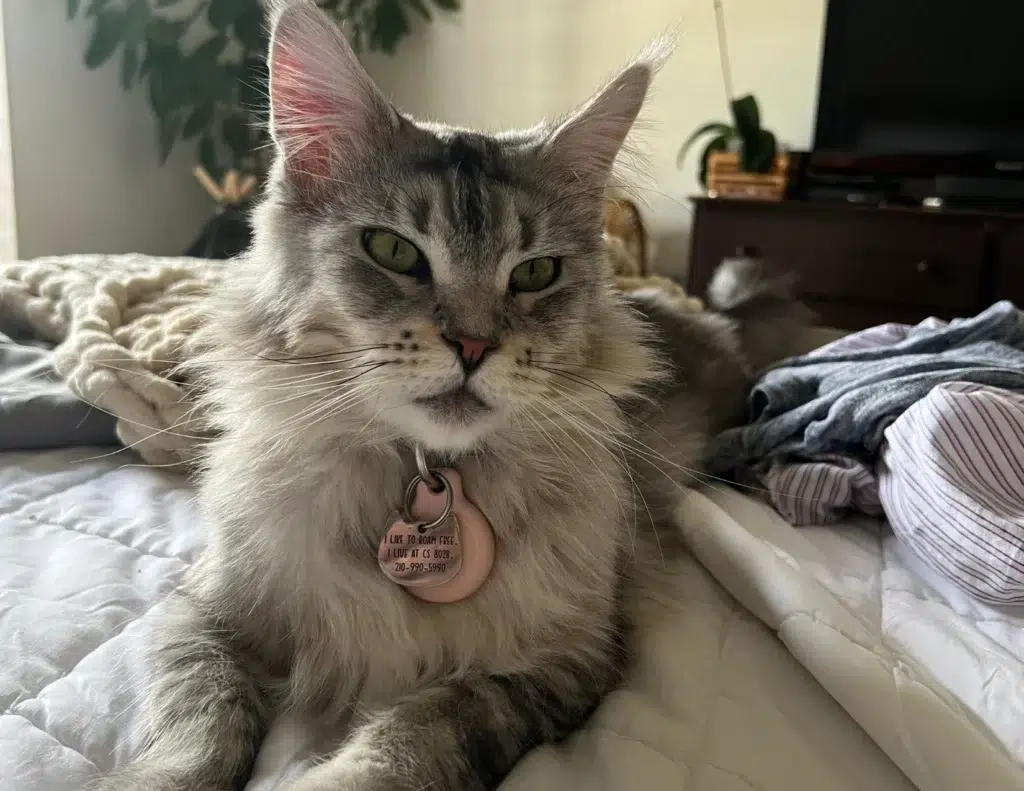
Establishing gentle grooming routines early encourages positive associations and long-term coat health for your young cat.
How to Introduce Grooming to Maine Coon Kittens?
Begin handling sessions as early as 6–8 weeks, using soft strokes and offering treats to build trust. Keep sessions under five minutes and gradually extend as the kitten becomes comfortable.
Which Grooming Tools Are Essential for Maine Coon Kitten Fur Care?
For delicate kitten fur, use a small slicker brush with cushioned bristles and a fine-tooth plastic comb. These tools minimise tugging while removing loose hairs and preventing initial tangles.
How Does Early Grooming Impact Long-Term Coat Health?
Consistent grooming in kittenhood promotes healthy hair cycles, reduces future matting, and strengthens the bond between you and your cat, leading to stress-free maintenance as your Maine Coon matures.
What Are Common Questions About Removing Mats from Maine Coon Fur?
Owners often seek safe, efficient solutions and clarity on tool selection and grooming frequency to maintain a mat-free coat.
How Do You Get Mats Out of a Maine Coon Without Cutting?
Gently separate small mats by spreading them with fingers and a wide-tooth comb, starting at the tips. Apply a detangling spray or cornstarch to ease friction, working slowly to prevent discomfort.
Can You Safely Use Scissors to Cut Mats Off Your Cat?
Yes, but only with blunt-ended scissors designed for pet grooming. Keep scissors perpendicular to the skin and trim mats in small sections to avoid accidental cuts.
How Often Should You Groom a Maine Coon to Prevent Mats?
Groom daily during heavy shedding seasons and maintain a 2–3 times weekly brushing schedule during normal periods to remove loose hairs before they tangle.
What Is the Best Tool to Remove Mats from a Maine Coon Cat?
A combination of a dematting comb, slicker brush, and undercoat rake provides comprehensive mat removal, working together to cut, loosen, and sweep away stubborn tangles.
Matted fur need not be a lifelong challenge for your Maine Coon. By understanding coat anatomy, investing in the right tools, following gentle dematting steps, and establishing a proactive grooming routine, you can ensure your cat’s double coat remains healthy and mat-free. When mats become unmanageable, trusted professionals and breeder-veteran advice from Bellespurr stand ready to help your maine coon companion look and feel their best.