
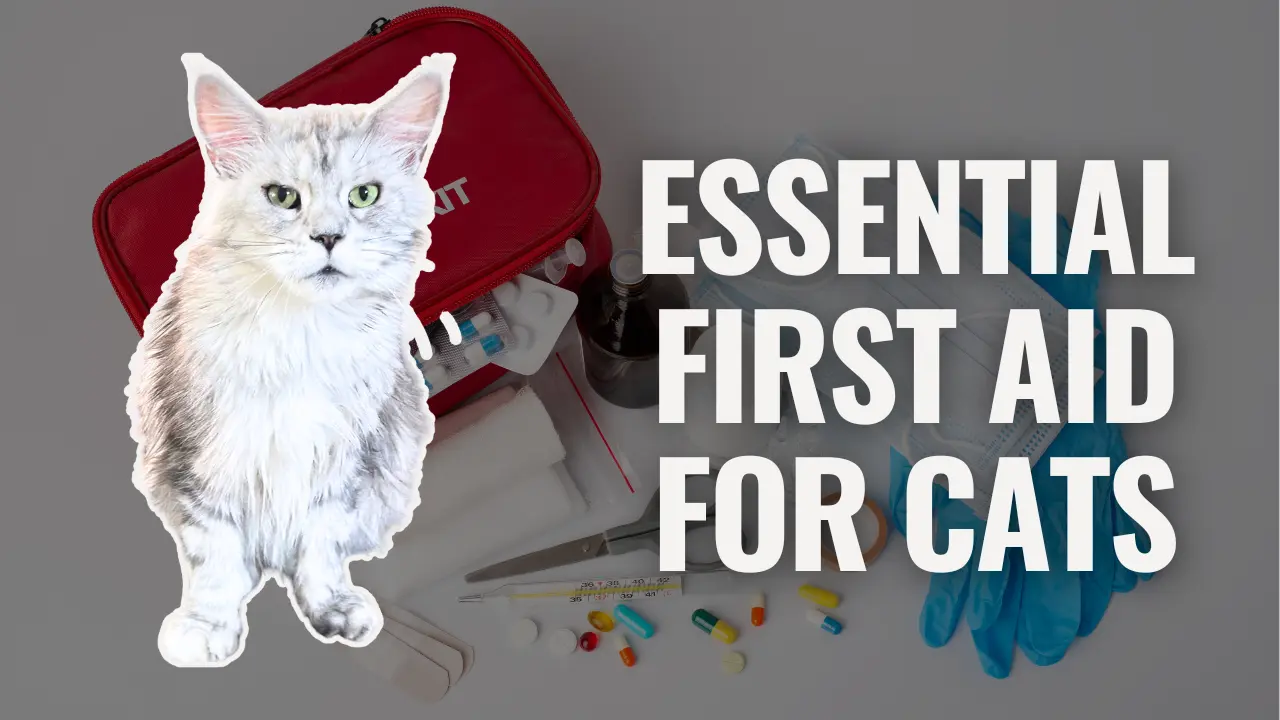
Cat First Aid Kit for Maine Coons: Essential Guide
Every Maine Coon owner faces unique emergency challenges due to the breed’s remarkable size and specific health predispositions. A tailored cat first aid kit for Maine Coons reduces response time and supports immediate wound care, temperature monitoring, and critical interventions. In this guide, we’ll explain why a specialized kit matters, list essential supplies, show you how to assemble and maintain your emergency pack, detail core first aid procedures, outline when to seek veterinary care, and highlight breeder–owner collaboration in emergency planning. By following these steps, you’ll ensure a healthy start for your new Maine Coon kitten from Bellspurr and build confidence in your ability to handle any situation.
Why Do Maine Coons Need a Specialized First Aid Kit?
A specialized first aid kit for Maine Coons is designed around their large frame, predisposition to hypertrophic cardiomyopathy, and robust coat that can mask wounds. This breed-specific approach ensures you have the right tools to address bleeding, cardiac distress, and temperature fluctuations quickly and effectively.
What Unique Health and Size Factors Affect Maine Coon Emergency Care?
Maine Coon physiology demands specific considerations: Am I ready to own a Maine Coon kitten?
- Increased blood volume requiring larger gauze and bandages
- Thicker coat that can hide lacerations and ticks
- Predisposition to heart conditions like hypertrophic cardiomyopathy
- Higher risk of hip dysplasia affecting mobility
These factors influence kit contents and first aid procedures, guiding owners to choose supplies that suit a large, muscular cat and support early detection of hidden injuries.
How Do Breed-Specific Conditions Influence First Aid Kit Contents?
Maine Coons commonly experience: Am I ready to own a Maine Coon kitten?
- Hypertrophic cardiomyopathy – a need for rapid heart rate monitoring
- Hip dysplasia – padding and splints for support
- Polycystic kidney disease – hydration support materials
Ensuring your kit includes a digital thermometer, splint materials, and electrolyte solutions helps manage breed-specific emergencies until professional care is available.
Demographics of Hip Dysplasia and Familial Hypertrophic Cardiomyopathy in Maine Coon Cats
Research indicates that Maine Coon cats have a notable predisposition to certain health conditions. A study on maine coon hip dysplasia (FHD) in Maine Coons found an overall prevalence of 24.9% in the Orthopedic Foundation for Animals registry, with males showing a slightly higher incidence. Additionally, familial hypertrophic cardiomyopathy (HCM) has been identified as a heritable disease in Maine Coons, often linked to a specific genetic mutation (MYBPC3 A31P), which can lead to sudden cardiac death.
This research directly supports the article’s claims regarding Maine Coon’s unique health predispositions, specifically hypertrophic cardiomyopathy and hip dysplasia, and their influence on first aid kit contents.
What Are the Essential Supplies for a Maine Coon First Aid Kit?
An effective emergency cat care kit contains wound care, medications, and diagnostic tools suited to a Maine Coon’s anatomy and health risks. Below is a categorized breakdown of must-have items.
Which Wound Care Items Are Vital for Large Cats Like Maine Coons?

Below is a comparison of core wound care products optimized for a heavy breed:
| Product | Specification | Benefit |
|---|---|---|
| Sterile Gauze Pads | 10 × 10 cm, high absorbency | Controls bleeding and protects wound area |
| Self-Adhesive Bandages | 5 cm × 4 m, flexible support | Secures dressings without sticking to fur |
| Antiseptic Solution | Povidone-iodine 10 %, 250 ml | Rapid disinfection, reduces infection risk |
These selections ensure you can cover and treat large surface areas, maintain dressing security, and disinfect effectively before veterinary evaluation.
What Medication and Diagnostic Tools Should Be Included?
A robust Maine Coon emergency kit also features:
- Digital thermometer for accurate temperature checks
- Styptic powder to control minor bleeding
- Saline eye and wound flush for debris removal
- Tick remover with fine-tipped tweezers
- Basic pain relief vet-prescribed cat analgesics
Essential Supplies and Procedures for a Comprehensive Cat First Aid Kit
A well-equipped cat first aid kit should include sterile gauze pads, self-adhesive bandages, and antiseptic solutions like povidone-iodine for wound care. Other vital items include styptic powder to control minor bleeding, a digital thermometer for accurate temperature checks, saline flush for debris removal, and tick removers. It is also crucial to include emergency contact information for veterinary care and poison control.
This information verifies the essential supplies recommended in the article for a general cat first aid kit, including wound care items, diagnostic tools, and emergency contacts.
Including clear labels and dosing instructions ensures safe, immediate use.
How to Choose Vet-Approved Products for Your Kit?
Selecting quality supplies prevents adverse reactions and ensures reliability:
- Verify products carry veterinary endorsements or professional packaging.
- Check expiry dates and choose sterile, single-use items.
- Consult your veterinarian for recommended brands and dosage charts.
These criteria guarantee that each item in your kit meets safety standards for maine coon emergency care.
What Are the Benefits of Including Styptic Powder and Antiseptics?
Styptic powder stops capillary bleeding within seconds, reducing stress and blood loss. Antiseptics like povidone-iodine swiftly kill pathogens, lowering infection rates and promoting faster healing.
Why Is a Thermometer Important for Maine Coon Emergency Care?
A digital thermometer provides precise readings of a Maine Coon’s deep-body temperature, enabling you to identify fever or hypothermia early. Rapid temperature assessment guides cooling or warming measures until veterinary support arrives.
How Do You Assemble and Maintain a Maine Coon Emergency Kit at Home?
Building and caring for your first aid kit ensures readiness and product reliability when emergencies strike.
What Is the Step-by-Step Process to Build Your Kit?
Follow these steps:
- Gather supplies in clearly labeled containers with compartments.
- Create an inventory checklist and affix it to the kit’s lid.
- Store the kit in a cool, dry, accessible location.
- Include emergency contact cards and medication dosing charts.
Organizing systematically maximizes efficiency and reduces panic under pressure.
How Often Should You Check and Replace First Aid Supplies?
Inspect your kit every three months to:
- Discard expired medications and solutions
- Replace used or damaged dressings and bandages
- Verify functioning of thermometers and tools
Routine checks maintain kit integrity and ensure all items remain sterile and effective.
How Can You Customize Your Kit for Your Maine Coon’s Specific Needs?
Personalize by adding:
- Breed-specific heart rate chart and HCM warning signs
- Extra padding for joint support in known dysplasia cases
- Favorite treats and soothing pheromone sprays for stress relief
Customization tailors the kit to your cat’s health profile and temperament, enhancing emergency response.
What Are the Basic First Aid Procedures for Common Maine Coon Emergencies?
Immediate, correct first aid can stabilize your cat and reduce complications until veterinary intervention.
How Do You Stop Bleeding and Dress Wounds Safely?
Apply direct pressure with a sterile gauze pad, then secure a self-adhesive bandage. For persistent bleeding, sprinkle styptic powder around the wound edge before reapplying pressure.
- Wear disposable gloves.
- Place gauze and apply firm pressure for 3–5 minutes.
- Wrap bandage without cutting off circulation.
Prompt bleeding control prevents shock and buys time for professional care.
What Are the Signs of Choking and How Should You Respond?
Choking indicators include persistent coughing, pawing at the mouth, and bluish gums. To assist:
- Lay your cat on its side and gently open the mouth.
- Use blunt tweezers to remove visible obstructions.
- If breathing fails, perform chest compressions (keep the airway clear).
Early recognition and careful intervention can restore airflow and prevent loss of consciousness.
How to Recognize and Treat Heatstroke in Large Cats?
Heatstroke symptoms include panting, drooling, lethargy, and collapse. Immediate steps:
- Move the cat to a cool, shaded area.
- Mist with lukewarm water and fan gently.
- Offer small sips of cool water.
Rapid cooling and hydration prevent organ damage and support recovery until veterinary care.
What Are the First Aid Steps for Handling Fractures in Maine Coons?
Suspected fractures present as limping, swelling, or unusual limb angles. To stabilize:
- Gently wrap the injured limb with a splint pad and firm bandage.
- Immobilize joints above and below the fracture site.
- Transport in a secure carrier to minimize movement.
Temporary support reduces pain and damage while you arrange professional treatment.
When Should You Seek Veterinary Care for Your Maine Coon?
Knowing red-flag signs ensures timely escalation to qualified medical support.
What Emergency Symptoms Require Immediate Vet Attention?
Contact your vet if you observe:
- Uncontrolled bleeding or inability to stop bleeding
- Persistent unconsciousness or severe disorientation
- Seizures, extreme difficulty breathing, or blue-tinged gums
Swift veterinary intervention is critical for survival in life-threatening emergencies.
How to Contact and Prepare for Emergency Vet Visits in the UK?

Keep these steps in mind:
- Note your nearest 24-hour clinic and its contact details.
- Prepare a carrier lined with absorbent pads and familiar bedding.
- Gather medical history, vaccination records, and medication lists.
Our breeders at Bellspurr are registered with TICA, offering health guarantees that support clear documentation during emergencies.
What Is the Best Way to Transport an Injured Maine Coon Safely?
Use a rigid carrier with high sides and secure latches. Line it with soft towels, add gentle padding around any splinted limbs, and minimize movement. This controlled environment reduces stress and further injury en route to care.
How Can Maine Coon Breeders and Owners Prepare for Emergencies Together?
Collaboration between breeders and new owners builds a comprehensive emergency readiness plan.
What Emergency Plans Should Breeders Have for Maine Coons?
Breeders should maintain:
- A master contact list of emergency vets and specialists
- A protocol for transport and quarantine of injured kittens
- Pre-assembled kits for each litter to ensure immediate care
Advance planning by breeders supports swift, standardized responses across the cattery.
How Does Responsible Ownership Enhance Emergency Readiness?
Owners contribute by:
- Attending first aid workshops and practicing techniques regularly
- Recording baseline vitals and familiarizing themselves with normal heart and respiratory rates
- Communicating any health concerns promptly to their breeder or vet
Active owner involvement reinforces breeder efforts and keeps preparation up to date.
What Resources and Contacts Should Be Included in Your Emergency Plan?
An effective plan lists:
- Local veterinary clinics and 24-hour hospitals
- Poison control center telephone numbers
- A curated supply catalog from our Bellspurr Amazon storefront for quick restocking
Comprehensive resources ensure you can replenish supplies and obtain advice when you need it most.
What Are the Top FAQs About Building a Maine Coon First Aid Kit?
Guided by common pet owner queries, the following insights optimize your kit for a large-breed cat.
What Are the 10 Essential Items for a Maine Coon First Aid Kit?
- Sterile gauze pads for bleeding control
- Self-adhesive bandages for secure dressings
- Povidone-iodine antiseptic solution
- Styptic powder for minor cuts
- Digital thermometer for accurate readings
- Saline flush for wounds and eyes
- Tick remover with fine-tip tweezers
- Elastic splint material for fractures
- Vet-prescribed analgesics for pain management
- Emergency contact cards and dosage charts
These core items address the majority of minor injuries and breed-specific emergencies.
How Do You Make a Homemade Cat First Aid Kit for Large Cats?
Start with a clean, plastic container and add labeled compartments for each item. Include printed instructions, waterproof emergency numbers, and a simple vitals chart. Custom-print your cat’s baseline heart and respiratory rates to benchmark during crises.
What Is the Most Important Item in a Pet First Aid Kit for Maine Coons?
A digital thermometer stands out as the critical diagnostic tool, enabling early detection of fever or hypothermia. Timely temperature checks guide cooling or warming interventions and inform your veterinarian’s assessment.
Maine Coons benefit greatly from proactive emergency planning, and a well-stocked first aid kit is the foundation of responsible pet ownership. By assembling breed-specific supplies, mastering basic procedures, and collaborating with your breeder and veterinary team, you’ll be ready for any urgent situation. For visual demonstrations of first aid techniques and inspiration on emergency preparedness, explore our Bellspurr Maine Coons YouTube channel.