
Newborn Maine Coon Kitten Care: Feeding, Health & Growth
By Sarah Jenkins, Certified Feline Care Specialist & Bellspurr Cattery Consultant
Caring for a newborn maine coon kitty demands precise feeding, vigilant health monitoring, early socialisation, and a clear understanding of growth milestones. Whether you’re welcoming your first litter or preparing to bring a kitten home, this guide maps every critical step from neonatal nutrition to behavioural enrichment. You’ll discover how to feed round-the-clock, prevent hypothermia and genetic disease, foster confidence through play, and track size expectations week by week. Along the way, you’ll learn why Bellspurr’s health-guaranteed, well-socialised Maine Coon kittens are sought after by families and how a seamless purchase process ensures you bring home a thriving companion.
How Should You Feed Newborn Maine Coon Kittens? (Newborn Kitten Food Guide)
Feeding newborn Maine Coon kittens means supplying concentrated nutrients that support rapid growth and immune development. A balanced regimen combines mother’s milk, kitten milk replacer (KMR), and gradual weaning to solids. For example, a 2-week-old kitten may take eight small KMR meals per day when the queen’s milk supply dips. Perfect feeding establishes robust health and sets the stage for vaccination and socialisation in later weeks.
What Is the Best Nutrition for Newborn Maine Coon Kittens?
Newborn Maine Coons thrive on colostrum-rich mother’s milk for antibodies, transitioning to a complete KMR formula when necessary. High-protein, high-fat kitten diets supply essential amino acids and energy reserves for thermoregulation. For instance, a formulation containing 32% protein and 20% fat replicates queen’s milk composition and promotes muscle development. When mother’s milk is insufficient, a premium powder KMR ensures kittens receive balanced nutrients without digestive upset.
For newborn kittens, the primary and most crucial food sources are:
- Mother’s Milk: This is the ideal nutrition, especially colostrum in the first 24-48 hours, providing essential antibodies and nutrients.
- Kitten Milk Replacer (KMR): If mother’s milk is insufficient, unavailable, or the kitten is orphaned, a high-quality, commercially prepared KMR specifically formulated for kittens is essential. It should mimic the nutritional profile of queen’s milk, being high in protein and fat.
Never feed newborn kittens cow’s milk or other dairy products not specifically designed for felines, as these can cause severe digestive upset and nutritional deficiencies.
What to Feed a Kitten Without Mom?
If a newborn Maine Coon kitten is orphaned or its mother is unable to provide sufficient milk, a high-quality Kitten Milk Replacer (KMR) is the only appropriate substitute. KMR is specifically formulated to mimic the nutritional profile of queen’s milk, providing the essential proteins, fats, vitamins, and minerals necessary for rapid growth and immune development. It is crucial to follow the KMR packaging instructions precisely for mixing and warming to body temperature (approximately 38°C/100°F).
Never attempt to feed cow’s milk, goat’s milk, or any other dairy products not specifically designed for kittens, as these can lead to severe digestive issues, nutritional deficiencies, and life-threatening complications. For comprehensive guidance on caring for and feeding orphaned kittens, including detailed techniques for bottle-feeding and stimulating elimination, please refer to our section on How Can You Support Orphaned or Special Needs Maine Coon Kittens?
How Often Should Newborn Maine Coon Kittens Be Fed?
Newborn Maine Coon kittens (0–4 weeks) require feeding every 2–3 hours around the clock, gradually reducing frequency as they grow. This schedule prevents hypoglycaemia and supports continuous weight gain.
| Age Range | Feeding Frequency | Meal Volume |
|---|---|---|
| 0–2 weeks | Every 2 hours (12 feeds/day) | 5–7 ml per feed |
| 2–4 weeks | Every 3 hours (8 feeds/day) | 8–10 ml per feed |
| 4–6 weeks | Every 4–6 hours (5 feeds/day) | 10–12 ml per feed + solids |
| 6–8 weeks | 3–4 times/day solids focus | Transition to wet kitten food |
Feeding kittens on a strict schedule builds digestive resilience and prevents dehydration, leading seamlessly into the weaning stage.
How to Bottle-Feed a Newborn Maine Coon Kitten
Bottle-feeding requires patience and precision to ensure your kitten receives adequate nutrition and avoids aspiration. Always refer to the KMR packaging for specific mixing instructions and consult your vet if you have any concerns.
- Prepare the KMR: Ensure the Kitten Milk Replacer (KMR) is mixed according to package directions and warmed to approximately 38 °C (100 °F), mimicking a mother’s body temperature. Test a few drops on your wrist to ensure it’s warm, not hot.
- Position the Kitten: Place the kitten on its stomach, ideally on a soft towel or blanket. This natural position helps prevent aspiration. Never feed a kitten on its back, as this can cause milk to enter the lungs.
- Introduce the Nipple: Gently insert the sterile newborn kitten bottle’s nipple into the kitten’s mouth. Allow the kitten to latch on and suckle naturally. Do not squeeze the bottle, as this can force milk too quickly and lead to aspiration.
- Monitor Feeding: Let the kitten set the pace. You should see small bubbles rising in the bottle as the kitten nurses, indicating proper suction. If the kitten stops suckling, gently wiggle the nipple to re-stimulate.
- Burp the Kitten: After each feeding, hold the kitten upright against your shoulder and gently pat its back to help release any swallowed air, similar to burping a human baby.
- Stimulate Elimination: For kittens under 4 weeks, the mother cat stimulates urination and defecation. You must replicate this by gently rubbing the kitten’s genital and anal area with a warm, damp cotton ball or soft cloth until it eliminates. Do this after every feeding.
- Clean Up: Gently wipe any milk residue from the kitten’s face and fur with a warm, damp cloth. Immediately wash and sterilize all feeding equipment after each use to prevent bacterial growth.
When and How Do You Wean Maine Coon Kittens?
Weaning begins at 4 weeks with softened wet food introduction alongside KMR to encourage independent eating. Offer a shallow dish mixing KMR and high-protein wet kitten food, gently guiding the kitten’s muzzle into the mixture. Over two weeks, gradually reduce KMR volume while maintaining hydration, until by 8 weeks kittens feed exclusively on high-quality wet and dry formulations.
How Do You Prepare and Use Kitten Milk Replacer (KMR) for Maine Coons?
Preparing KMR demands precise temperature and concentration for optimal digestion. Follow these steps:
- Warm water to 38 °C to mimic natural body temperature.
- Measure powder to water at the ratio specified on the KMR packaging.
- Whisk until fully dissolved, checking for clumps.
- Test a few drops on your wrist—formula should feel warm but not hot.
- Feed using a sterile newborn kitten bottle and nipple cut for slow flow.
Proper KMR preparation prevents aspiration and supports stable blood sugar, reducing the risk of fading kitten syndrome.
How Do You Ensure Proper Hydration for Newborn Maine Coon Kittens?
Hydration hinges on both milk intake and supplemental water introduction by 6 weeks. Initially, kittens receive fluids solely from milk or KMR. At 6 weeks, introduce shallow bowls of fresh water placed at the edge of their feeding area. Engaging them with a shallow water dish encourages sips and reduces dehydration risk. Maintaining hydration underpins every growth milestone and supports organ function as kittens become more active.
What Are the Key Health Concerns for Newborn Maine Coon Kittens?
Monitoring health in the first 8 weeks prevents life-threatening complications and genetic disease progression. Early detection of common ailments and adherence to vaccination schedules safeguard the immune system, while environment checks protect against injury. This foundation paves the way for confident, long-lived companions.
What Common Illnesses Affect Newborn Maine Coon Kittens?
Newborns can suffer from hypothermia, dehydration, and fading kitten syndrome when thermoregulation or feeding fails. Hypothermia results in a sluggish demeanour and cold extremities, requiring immediate warming. Dehydration shows as skin tenting and sunken eyes, treated with subcutaneous fluids. Recognising these conditions early averts fatal outcomes.
How Do You Recognise Signs of Illness in Maine Coon Kittens?
Symptoms such as persistent crying, refusal to feed, diarrhoea, laboured breathing, or lethargy warrant prompt veterinary evaluation. For example, a chilling body temperature below 37 °C or uncoordinated movements signals serious distress. Early intervention reinforces survival odds and preserves long-term health.
The Role of Veterinary Care in Kitten Health
Regular veterinary check-ups are paramount for newborn Maine Coon kittens, providing a foundation for lifelong health. Your veterinarian will conduct thorough physical examinations, monitor growth, and discuss crucial preventive care measures. These visits are essential for administering initial vaccinations and deworming treatments, as well as identifying any subtle health concerns that might not be apparent to an untrained eye. Establishing a relationship with a trusted vet early on ensures that your kitten receives timely medical attention and expert guidance, safeguarding against potential complications and promoting optimal development.
What Genetic Health Issues Are Common in Maine Coons?
Hypertrophic cardiomyopathy (HCM), spinal muscular atrophy (SMA), and polycystic kidney disease (PKD) can affect Maine Coon kittens through inherited mutations. DNA testing by reputable breeders identifies carriers, reducing disease prevalence. Regular cardiac auscultation uncovers early HCM murmurs, guiding timely treatment.
First Gene Mutation to Cause Heart Disease in Cats Identified
Research identified a specific gene mutation (A31P in the cardiac myosin binding protein C gene, MYBPC3) responsible for hypertrophic cardiomyopathy (HCM) in Maine Coon cats. This discovery was significant for developing screening tests to identify carriers and reduce the incidence of this common feline heart disease within the breed.
This research directly supports the article’s claim regarding genetic health issues like Hypertrophic Cardiomyopathy (HCM) in Maine Coon kittens and the importance of genetic testing.
What Is the Recommended Vaccination and Deworming Schedule for Maine Coon Kittens?
A core vaccine protocol starts at 6–8 weeks for feline rhinotracheitis, calicivirus, and panleukopenia, boosting every 3–4 weeks until 16 weeks. Deworming with broad-spectrum anthelmintics occurs at 2, 4, 6, and 8 weeks. This schedule builds immunity and eliminates gastrointestinal parasites before adulthood.
How Do You Kitten-Proof Your Home for Maine Coon Safety?
Kitten-proofing prevents injuries from electrical cords, toxic plants, and small ingestible items. Secure loose wires, remove poisonous houseplants, and block off high ledges. Installing gentle gates around hazards ensures kittens explore safely, protecting them throughout developmental stages.
How Do You Socialise Newborn Maine Coon Kittens for Healthy Behaviour?
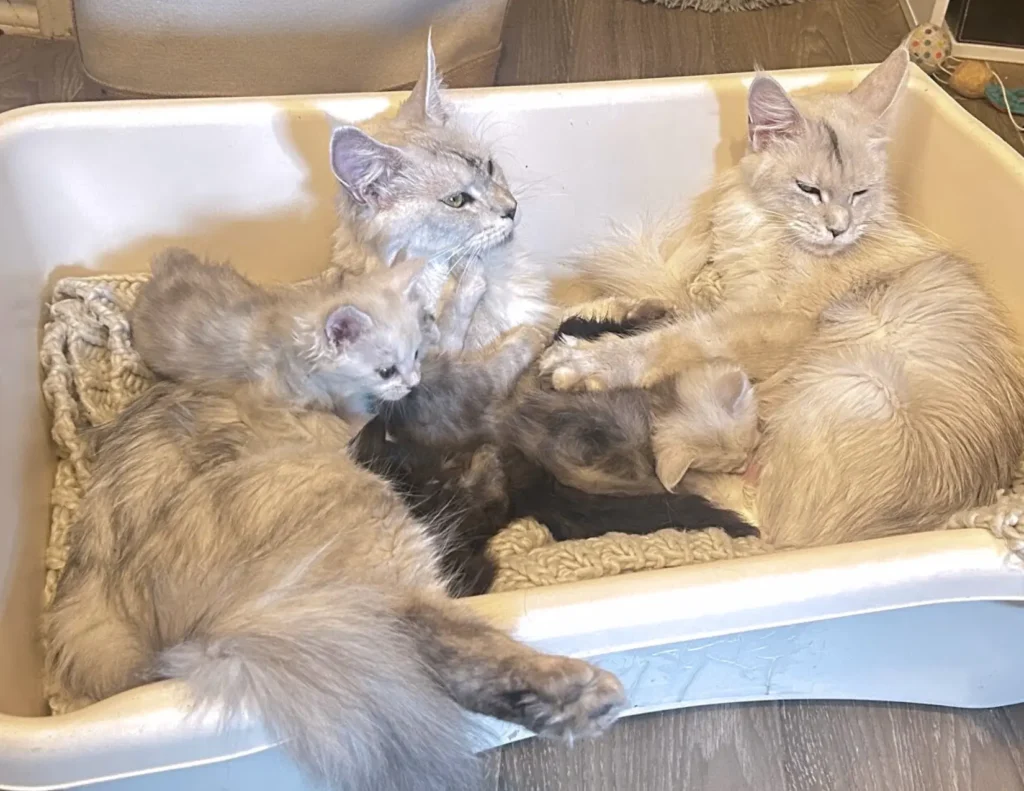
Early socialisation shapes confident, adaptable adult cats by exposing kittens to people, sounds, and gentle handling during the critical window of 3–9 weeks. Structured interaction fosters trust and reduces future anxiety around strangers or new environments.
What Is the Critical Socialisation Window for Maine Coon Kittens?
The window between 3 and 9 weeks presents peak brain plasticity for learning to accept humans, pets, and varied stimuli. Consistent, positive experiences during this period form permanent behavioural patterns that support friendly adult temperaments.
The Sensitive Period for Socialization in Kittens
Studies indicate that the sensitive period for socialization in kittens occurs between two and seven weeks of age. Positive human handling and exposure to various stimuli during this critical window are crucial for developing friendly, confident adult cats and strengthening the human-animal bond.
This research supports the article’s emphasis on the critical socialisation window for Maine Coon kittens and its impact on their future behaviour and interaction with humans.
How Should You Handle and Interact with Newborn Maine Coon Kittens?
Gentle, daily handling for short periods stimulates bonding and confidence. Support the kitten’s chest and hindquarters when lifting, speak softly, and introduce scent-swapping with caregivers. This foundation encourages kittens to seek human attention without fear.
How Do You Introduce Maine Coon Kittens to Other Pets and Children?
Supervised, gradual introductions using a carrier barrier or leash for other pets prevents overwhelm. Pair kittens with calm, vaccinated animals and teach children to pet softly. Positive associations through treats and praise reinforce harmonious relationships.
What Are Effective Playtime and Enrichment Activities for Maine Coon Kittens?
Interactive wand toys, small balls, and puzzle feeders engage natural hunting instincts and develop coordination. Rotating toys daily maintains mental stimulation. Enrichment sessions support physical growth and strengthen the bond between kitten and owner.
How Do You Begin Litter Training and Grooming for Maine Coon Kittens?
Place a low-sided litter tray near feeding areas at 4 weeks, guiding kittens by gently placing their paws in substrate. For grooming, introduce a soft brush once weekly to accustom them to coat care. Early practice ensures lifelong good habits.
What Are the Growth Stages and Development Milestones of Maine Coon Kittens?
Maine Coon kittens progress through rapid developmental phases, each marked by physical and sensory achievements. Tracking these milestones helps identify normal growth patterns and intervene when necessary.
How Do Maine Coon Kittens Develop Week-by-Week?
From eyes opening at 7–10 days to walking unsteadily at 3 weeks and exploring by 5 weeks, each week brings new abilities.
| Week | Milestone | Typical Weight Gain |
|---|---|---|
| 1 | Eyes open, rooting reflex | +50–70 g per day |
| 2 | Ears unfurl, crawling | +60–80 g per day |
| 3 | Pull to stand, vocalising | +70–90 g per day |
| 4 | Tentative walking, teeth | +80–100 g per day |
Weekly assessments ensure kittens meet breed-specific growth expectations before moving on to solids and socialisation.
What Are Normal Growth Rates and Size Expectations for Maine Coon Kittens?
By 12 weeks, healthy Maine Coons often weigh 2–3 kg, reflecting robust skeletal and muscle development. Monitoring with a growth chart prevents under- or over-nutrition, promoting balanced frame expansion.
How Can You Identify Growth Concerns in Maine Coon Kittens?
Signs like plateauing weight, visible ribs, or lethargy indicate nutritional or health issues. Early veterinary consultation and dietary adjustment restore growth trajectories and prevent stunting.
How Do Physical Features Like Coat, Paws, and Tail Develop in Maine Coons?
Coat density thickens around 6 weeks, while paw size and tail bushiness become pronounced by 8 weeks. These characteristics forecast adult grandeur, supporting breed standards and pedigree pride.
What Should You Know Before Buying a Maine Coon Kitten?
Choosing a reputable breeder and understanding genetic screening are vital to securing a healthy, well-socialised kitten. Bellspurr’s TICA-registered cattery ensures transparent breeding practices and seamless delivery from inquiry to door.
How Do You Choose a Healthy, Well-Socialised Maine Coon Kitten?
Evaluate breeder credentials, observe kitten interaction with littermates, and request health guarantees. Healthy kittens display bright eyes, a glossy coat, and confident curiosity when approached.
Why Is Genetic Testing Important When Buying Maine Coon Kittens?
Testing for HCM, SMA, and PKD identifies carriers and prevents passing on debilitating conditions. Breeders who conduct and share results uphold breed integrity and minimise future health risks.
How Does Bellspurr Ensure the Health and Quality of Their Maine Coon Kittens?
Bellspurr conducts comprehensive DNA panels, regular veterinary check-ups, and structured socialisation protocols from day one. This methodology produces kittens with strong immune systems and friendly dispositions.
What Is the Process for Purchasing and Receiving a Maine Coon Kitten?
Begin with an inquiry form, schedule a virtual viewing, review health records, and place a reservation. Bellspurr handles travel logistics and provides a care starter kit, delivering your kitten safely to your home.
Where Can You Find TICA Registered Maine Coon Breeders?
Visit the Bellespurr Maine Coons – TICA Registered Cattery page to confirm pedigree accreditation and view related listings. TICA registration signifies adherence to rigorous breed standards and ethical practices.
What Are Expert Tips for Caring for Newborn Maine Coon Kittens?
Breeder insights refine every aspect of neonatal care, from supporting orphans to maintaining hygiene and tracking progress. These best practices prevent common mistakes and ensure optimal outcomes.
How Can You Support Orphaned or Special Needs Maine Coon Kittens?
Caring for orphaned Maine Coon kittens demands unwavering dedication and a precise approach to mimic the mother’s care. Without a queen, you become their sole provider for warmth, nutrition, hygiene, and socialisation. Here’s a detailed guide to ensure their survival and thriving development:
- Maintain Optimal Warmth: Newborn kittens cannot regulate their body temperature. Provide a safe, warm environment using a heating pad set on low (covered with a towel) or a commercial pet incubator. The ambient temperature should be around 30-32°C (86-90°F) for the first week, gradually reducing to 24-27°C (75-80°F) by 4 weeks. Always ensure kittens can move away from the heat source if they get too warm.
- Round-the-Clock Feeding: Use a high-quality Kitten Milk Replacer (KMR) specifically formulated for felines. Follow package instructions precisely for mixing and warming to body temperature (approx. 38°C/100°F). Feed every 2-3 hours for the first two weeks, gradually extending to 3-4 hours by weeks 3-4. Refer to the “How to Bottle-Feed a Newborn Maine Coon Kitten” section for detailed technique. Avoid overfeeding or underfeeding, and never use cow’s milk.
- Stimulate Elimination: A mother cat licks her kittens to stimulate urination and defecation. You must replicate this after every feeding for kittens under 4 weeks of age. Gently rub the kitten’s genital and anal area with a warm, damp cotton ball or soft cloth until it eliminates. This is crucial for preventing urinary tract infections and constipation.
- Ensure Strict Hygiene: Keep the nesting area meticulously clean, changing bedding daily or whenever soiled. Gently wipe any milk residue from the kitten’s face and fur with a warm, damp cloth after each feeding. Sterilize all feeding equipment thoroughly after every use to prevent bacterial growth and digestive upset.
- Monitor Growth and Health: Weigh kittens daily at the same time using a digital kitchen scale. Healthy kittens should gain 10-15 grams per day. Keep a log of their weight, feeding times, and elimination. Watch for signs of distress such as lethargy, persistent crying, refusal to feed, diarrhoea, or laboured breathing, and contact a veterinarian immediately if any concerns arise.
- Provide Gentle Socialisation: Even without a mother, human interaction is vital. Handle kittens gently for short periods multiple times a day. Speak softly, provide gentle strokes, and allow them to cuddle. This early positive interaction is crucial for developing confident, well-adjusted adult cats.
Maintaining strict hygiene and weight logs supports recovery and fosters resilience, giving these vulnerable kittens the best chance at a healthy life.
What Are Best Practices for Maintaining Kitten Health and Hygiene?
Clean bedding daily, sanitise feeding equipment after each use, and groom gently to remove milk residue. A sterile environment reduces infection risk and reinforces healthy skin and coat development.
How Do You Monitor and Record Kitten Growth and Health Progress?
Use a simple chart to log weight, temperature, and behavioural notes daily. Consistent records reveal trends and alert you to dietary adjustments or veterinary intervention needs.
What Are Common Mistakes to Avoid in Newborn Maine Coon Kitten Care?
Avoid overfeeding, allowing body temperature to drop, or delaying veterinary checks when warning signs appear. Adhering to proven schedules and protocols prevents setbacks and preserves kitten vitality.
What Frequently Asked Questions Do Newborn Maine Coon Kitten Owners Have?
This section is reserved for interactive FAQ markup in future site updates. For detailed answers in context, refer to our main guide above.
About the Author
Sarah Jenkins is a highly respected Certified Feline Care Specialist with over a decade of dedicated experience in neonatal kitten care and rescue. Her expertise spans comprehensive feline health, nutrition, and early socialisation, with a particular focus on large breeds like the Maine Coon. Sarah serves as a trusted consultant for Bellspurr Maine Coons, contributing to their rigorous health protocols and ethical breeding practices. Her passion lies in ensuring every kitten receives the best possible start in life, fostering healthy development and confident temperaments. Sarah is committed to educating new and experienced owners alike, empowering them with the knowledge to provide exceptional care for their feline companions.
Maine Coon kittens flourish under structured feeding, vigilant health protocols, enriched socialisation, and careful growth tracking. By following these breeder-backed guidelines and choosing a reputable, TICA-registered source, you set the stage for a lifelong, affectionate companion. Whether you’re bottle-feeding an orphan or preparing for weaning, every step builds robust immunity and confidence. Explore our Maine Coon Kittens for Sale to begin your journey with a healthy, well-socialised Bellspurr Maine Coon kitten.