
Managing Food Allergies in Maine Coons: Symptoms, Diagnosis, and Best Hypoallergenic Diets
Maine Coon cats can develop adverse reactions to certain proteins in their food, triggering itchy skin, gastrointestinal upset, and behavioural changes within weeks of exposure. Understanding how food allergies manifest in this majestic breed empowers owners to protect their cat’s comfort and well-being. In this guide you will discover:
- How to recognise the most common allergy symptoms in Maine Coons
- The diagnostic process—veterinary assessment, elimination diets and reintroduction protocols
- Top hypoallergenic cat food options tailored to the breed’s needs
- Strategies for managing sensitive stomachs with probiotics, digestible ingredients and feeding schedules
- Preventative approaches for kittens that reduce the risk of developing food sensitivities
- Key ingredients to avoid and the right time to seek professional veterinary care
By following these evidence-informed steps, you’ll support a balanced cat allergy diet that keeps your Maine Coon healthy, happy and thriving.
What Are the Common Food Allergy Symptoms in Maine Coons?
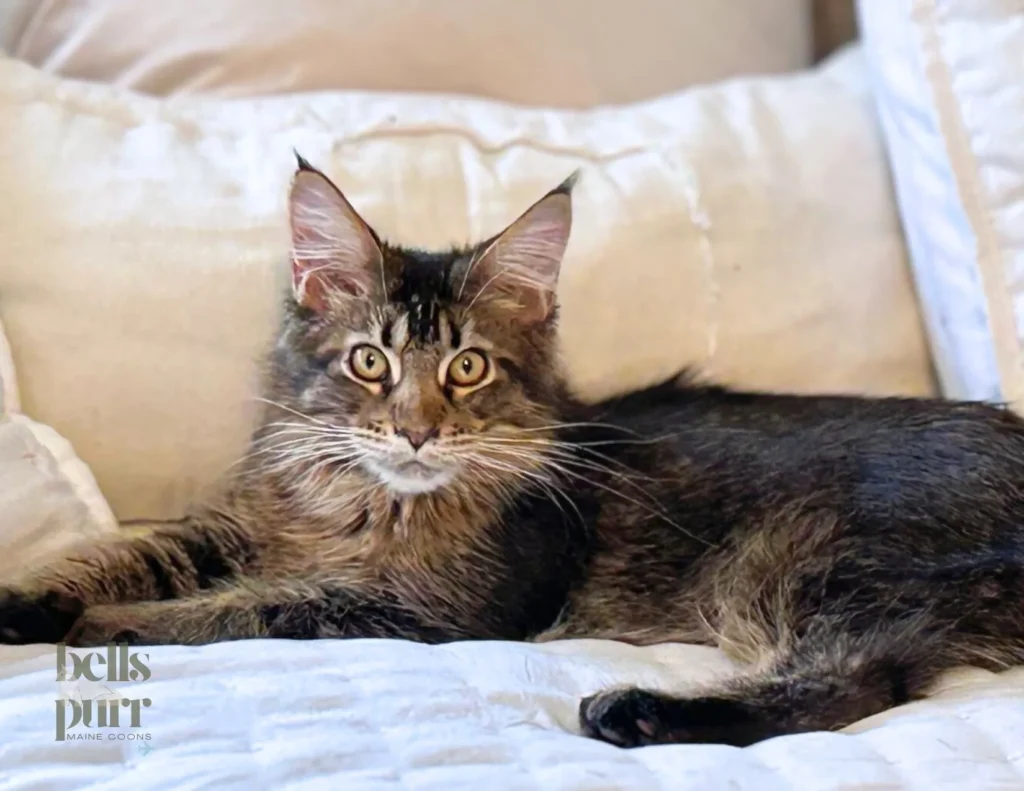
Food allergy in a Maine Coon is an immune-mediated reaction to specific dietary proteins that can affect the skin, digestive tract and even behaviour. This condition often requires careful observation and targeted dietary adjustments to restore normal health.
Which skin symptoms indicate food allergies in Maine Coons?
Persistent itching, red patches and hair loss along the back, face and paws are hallmark indicators that the immune system is reacting to a dietary allergen. These dermatological signs often include:
- Tiny raised bumps and scabs around the neck and ears
- Constant scratching or rolling on the floor to relieve itching
- Secondary infections from broken skin or ear inflammation
Such skin irritations frequently precede digestive complaints, signalling the need for a tailored cat allergy diet to halt immune overreaction.
Food Allergy in the Cat: A Diagnosis by Elimination
Food allergy in cats is an immune-mediated reaction to dietary proteins, often presenting with dermatologic signs such as pruritus, miliary dermatitis, and alopecia, as well as gastrointestinal issues like vomiting and diarrhea. Diagnosis relies on a thorough history, physical examination, and a food elimination trial.
This research supports the article’s description of common food allergy symptoms in Maine Coons and the initial diagnostic steps involving veterinary assessment.
What digestive issues signal food allergies or intolerances?
Vomiting, diarrhoea and frequent bloating reflect gastrointestinal inflammation triggered by intolerant ingredients like chicken or dairy. Cats may exhibit:
- Loose stools or mucus in faeces
- Nausea evidenced by excessive lip-licking or salivation
- Occasional flatulence and abdominal discomfort
These digestive disruptions often resolve once the offending protein is removed, paving the way for a hypoallergenic cat food regimen.
How do behavioural changes relate to food allergies in Maine Coons?
Maine Coons suffering from food sensitivities may become unusually withdrawn, irritable or restless due to chronic discomfort. You might notice:
- Increased vocalisation when scratching or during meals
- Reduced playfulness and reluctance to groom
- Heightened aggression if touched in irritated areas
Behavioural shifts often coincide with physical symptoms, underscoring the importance of a holistic management strategy that addresses both diet and emotional well-being.
How Are Food Allergies Diagnosed in Maine Coons?
Accurate diagnosis of a Maine Coon’s food allergy hinges on systematic evaluation by a veterinarian combined with controlled dietary trials to pinpoint the specific allergen.
What role does veterinary consultation play in diagnosis?
A qualified feline specialist will perform a thorough physical examination, review your cat’s medical history and rule out external parasites or skin infections before suggesting an elimination diet. Veterinary input ensures:
- Accurate differentiation between allergy and intolerance
- Identification of secondary infections requiring treatment
- Safe planning of nutrient-complete hypoallergenic diets
Professional guidance lays the groundwork for the elimination process and minimises risks during dietary transitions.
How does the elimination diet process work for Maine Coons at Bellspurr?
An elimination diet feeds your cat a single novel or hydrolysed protein source for a set period to observe symptom resolution. The protocol involves:
- Selection of a novel protein—such as venison or rabbit—never encountered by your cat before.
- Strict feeding period of 6–8 weeks without treats or mixed foods.
- Symptom monitoring—track improvements in skin, digestion and behaviour.
Successful resolution during this phase confirms the presence of a dietary sensitivity and prepares you for the allergen reintroduction stage.
What is the timeline for an effective elimination diet?
A well-executed elimination diet generally spans 6 to 10 weeks, broken down as follows:
| Phase | Duration | Purpose |
|---|---|---|
| Initial adjustment | 1 week | Allow gut flora to stabilise |
| Strict elimination feeding | 5–7 weeks | Observe symptom resolution |
| Reintroduction preparation | 1 week | Gradually reintroduce controlled foods |
Food Allergies in Cats
Diagnosing food allergies in cats typically involves an elimination diet where a novel or hydrolyzed protein is fed for at least eight to ten weeks until allergic signs disappear. Subsequently, components of the original diet are reintroduced one by one to identify the specific allergen, with symptoms often recurring within one to two weeks.
This information from a veterinary institution confirms the diagnostic process and timeline for elimination diets and allergen reintroduction protocols described in the article.
How is allergen reintroduction used to confirm sensitivities?
After symptoms subside, you reintroduce one previously fed protein at a time to verify the culprit. This controlled challenge involves:
- Feeding a small quantity of the original diet for 3–5 days
- Monitoring for recurrence of itching, vomiting or diarrhoea
- Confirming the allergen when symptoms reappear
Conclusive reintroduction tests are essential for crafting a long-term hypoallergenic diet.
What Are the Best Hypoallergenic Cat Food Options for Maine Coons?
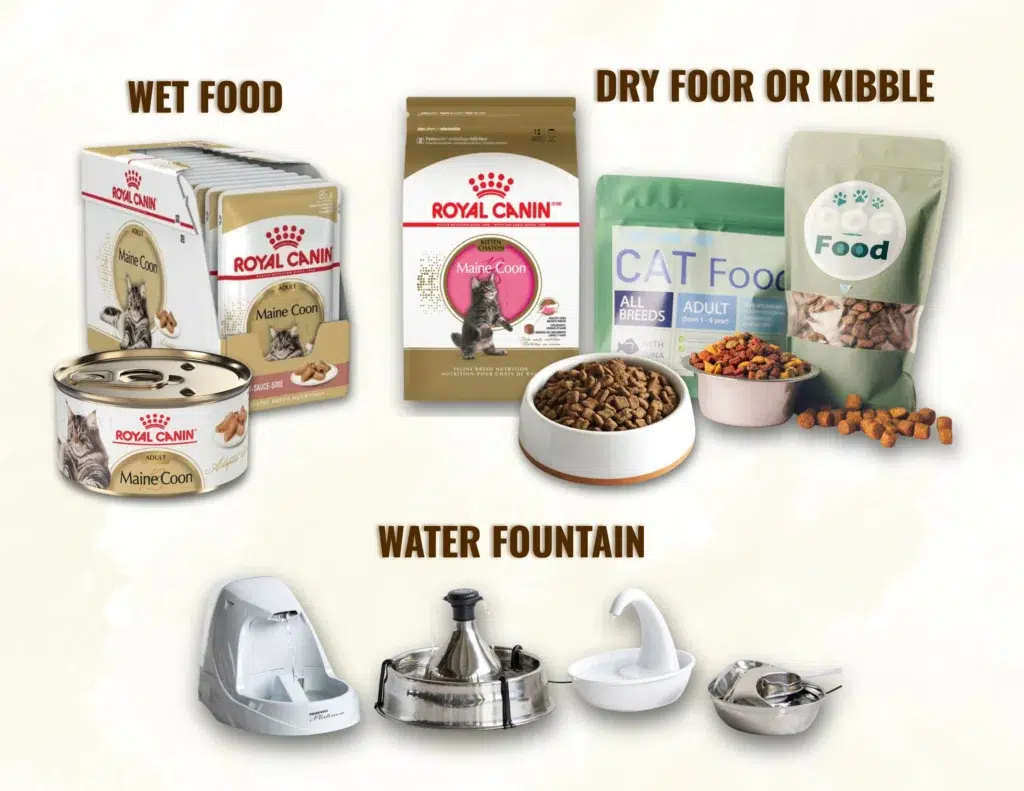
Hypoallergenic cat food relies on specially formulated proteins and limited ingredients to minimise immune triggers while delivering complete nutrition for large-breed cats.
What are hydrolysed protein diets and their benefits?
Hydrolysed protein diets contain proteins broken down into tiny peptide fragments that the immune system no longer recognises as allergens. Benefits include:
- Near-elimination of immune responses to key proteins
- Maintenance of muscle mass through high-quality amino acids
- Improved coat condition from targeted supplementation
Such diets support healthy growth and immune tolerance by bypassing the usual allergenic pathways.
How do novel protein diets help manage allergies?
Novel protein recipes introduce uncommon sources—duck, rabbit or venison—as the sole animal protein. These formulas:
- Provide an unfamiliar protein that has not sensitised the cat’s immune system
- Deliver essential fatty acids and amino profiles comparable to traditional meats
- Offer palatability that suits sensitive stomachs
Novel diets often form the foundation of a cat allergy diet plan until long-term tolerance is achieved.
Which limited ingredient and grain-free diets suit Maine Coons?
Limited ingredient diets contain fewer than ten components to reduce potential allergens, while grain-free options omit wheat, corn or soy. Key advantages are:
- Simplified ingredient lists for easier allergen tracking
- Enhanced digestibility through single carbohydrate sources
- Balanced nutrition with added vitamins and minerals
These diets accommodate both skin-sensitive cats and those with digestive vulnerabilities.
What are the top hypoallergenic cat food brands available in the UK?
Below is a comparison of leading hypoallergenic diets tailored for Maine Coons:
| Product | Protein Source | Key Advantage |
|---|---|---|
| Hill’s Prescription Diet z/d | Hydrolysed chicken | Clinically proven allergen reduction |
| Royal Canin Hypoallergenic Adult | Hydrolysed soya protein | Veterinary-exclusive formulation |
| Purina Pro Plan Veterinary Diets HA | Hydrolysed poultry | High palatability and skin support |
| James Wellbeloved Limited Ingredient | Novel fish | Single fish protein, grain-free |
Managing Food Allergies in Maine Coons
Balancing gut health and nutrient absorption is vital for Maine Coons prone to food intolerance, using probiotics, digestible ingredients and adjusted feeding routines.
What role do probiotics and prebiotics play in digestive health?
Probiotics introduce beneficial bacteria strains that help restore microbial balance, while prebiotics feed those good bacteria. Their advantages include:
- Enhanced nutrient absorption and reduced inflammation
- Strengthened intestinal barrier function
- Fewer episodes of diarrhoea and flatulence
Complementing a hypoallergenic cat food with targeted supplements supports long-term gastrointestinal resilience.
Why are highly digestible ingredients important for Maine Coons?
Ingredients such as cooked rice, potato or tapioca reduce gastrointestinal workload by offering simple carbohydrates that break down rapidly. Digestible ingredients:
- Lower risk of undigested residues that irritate the gut
- Provide consistent energy levels without peaks and troughs
- Enable smoother digestion of proteins and fats
Selecting diets rich in these components accelerates recovery from food-triggered flare-ups.
How do small, frequent meals support sensitive stomachs?
Feeding smaller portions three to four times a day prevents overwhelming the digestive tract and reduces acid peaks. This strategy:
- Encourages stable blood sugar and energy throughout the day
- Limits gastric volume to aid gentle digestion
- Minimises the chance of vomiting or regurgitation
Implementing controlled meal sizes strengthens gut tolerance and overall digestive comfort.
How Can Food Allergies Be Prevented and Managed in Maine Coon Kittens?
Early dietary choices and close breeder collaboration can lower the likelihood of kittens developing food sensitivities later in life.
What kitten foods reduce the risk of developing maine coon allergies?
Formulations for kittens that rely on single protein sources and minimal additives can foster immune tolerance. Such foods:
- Include novel proteins like duck or rabbit from weaning onward
- Avoid artificial colours, flavours and common allergens
- Balance DHA and EPA for cognitive and immune support
Starting with a simplified diet lays a foundation for lifelong health.
How can breeders help monitor and prevent food allergies early?
A responsible breeder tracks each kitten’s response to diet by:
- Recording reactions during transitional feeds
- Noting any skin or digestive irregularities within the first months
- Advising new owners on stepwise introductions of varied proteins
This proactive monitoring ensures early detection and timely intervention before chronic sensitivities develop.
What early signs of food allergies should owners watch for in maine coon kittens?
Owners should observe for subtle indicators of intolerance, such as:
- Mild redness around the muzzle after meals
- Occasional soft stools during dietary changes
- Slight ear scratching or grooming bursts
Prompt recognition of these early markers allows for immediate dietary adjustments and prevents more severe reactions.
What Ingredients Should Be Avoided in Maine Coon Diets to Prevent Allergic Reactions?
Certain proteins and additives rank highly on the allergen list for Maine Coons; avoiding them reduces the chance of chronic immune activation.
Which common allergens affect Maine Coons most frequently?
Beef, chicken, dairy and wheat top the list of reactive foods in this breed. These typical allergens often trigger:
- Chronic itching and hot spots
- Recurrent gastrointestinal upset
- Ongoing ear infections
Eliminating these ingredients from your cat’s meals is the first step toward a stable, healthy diet.
Critically appraised topic on adverse food reactions of companion animals (2): common food allergen sources in dogs and cats
A comprehensive review of scientific literature identified beef, fish, and chicken as the most common food allergens causing cutaneous adverse food reactions (CAFRs) in cats. Other reported allergens include wheat, corn, and dairy products.
This study provides evidence for the specific ingredients that Maine Coons are most frequently allergic to, aligning with the article’s advice on key ingredients to avoid.
How do hydrolysed and novel proteins reduce allergen exposure?
Hydrolysed proteins fragment the molecular chains responsible for immune recognition, while novel proteins present a brand-new antigen profile. Together they:
- Bypass the usual immune pathways that cause allergic responses
- Provide complete amino acid profiles for growth and repair
- Maintain skin and coat health through balanced fatty acids
Adopting these protein alternatives is essential for an effective cat allergy diet strategy.
When Should You Consult a Veterinarian About Your Maine Coon’s Food Allergies?
Timely professional intervention ensures that severe or persistent symptoms are managed safely and effectively.
What are the signs that require immediate veterinary attention?
Seek prompt care if your Maine Coon exhibits:
- Acute vomiting with lethargy and dehydration
- Uncontrolled diarrhoea persisting beyond 24 hours
- Rapidly spreading skin lesions or severe ear inflammation
These urgent symptoms may indicate secondary infections or systemic complications needing medical treatment.
How can vets assist with prescription hypoallergenic diets?
Veterinarians can prescribe specialized diets that combine hydrolysed proteins, balanced nutrients and medical oversight. Their support includes:
- Ensuring complete nutritional adequacy during elimination trials
- Monitoring weight and lab parameters to adjust feeding plans
- Providing ongoing guidance for long-term dietary management
This partnership optimises both safety and results in allergy control.
What diagnostic tests do vets recommend beyond elimination diets?
In addition to dietary trials, veterinarians may suggest:
- Intradermal skin testing to screen for specific allergens
- Blood tests measuring IgE antibody levels
- Biopsy of skin lesions in refractory cases
These diagnostics complement dietary assessment and refine a tailored management plan.
Maine Coons with food allergies respond best to a cohesive strategy that combines precise symptom recognition, veterinary-guided elimination diets and carefully selected hypoallergenic cat food. Preventative measures for kittens and supportive feeding routines for adults each play a vital role in ongoing well-being. By avoiding common allergens and choosing hydrolysed or novel protein formulations, owners can minimise flare-ups and enhance digestive comfort. Early intervention and professional partnership ensure your Maine Coon thrives on a balanced, sensitive-stomach diet grounded in best practices.
At Bellspurr Maine Coon, every kitten’s nutritional start is treated with priority, especially when it comes to food sensitivities. Bellspurr ensures kittens are raised on carefully selected, high-quality diets that support healthy digestion and help reduce the risk of early allergic reactions. Each kitten is closely monitored during food transitions, with detailed feeding records provided to new owners for guidance. Bellspurr Maine Coons also offers recommendations on suitable hypoallergenic or sensitive-stomach diets as kittens grow. With responsible breeding practices and attentive early care, Bellspurr gives every Maine Coons the strongest foundation for long-term health and comfort.