
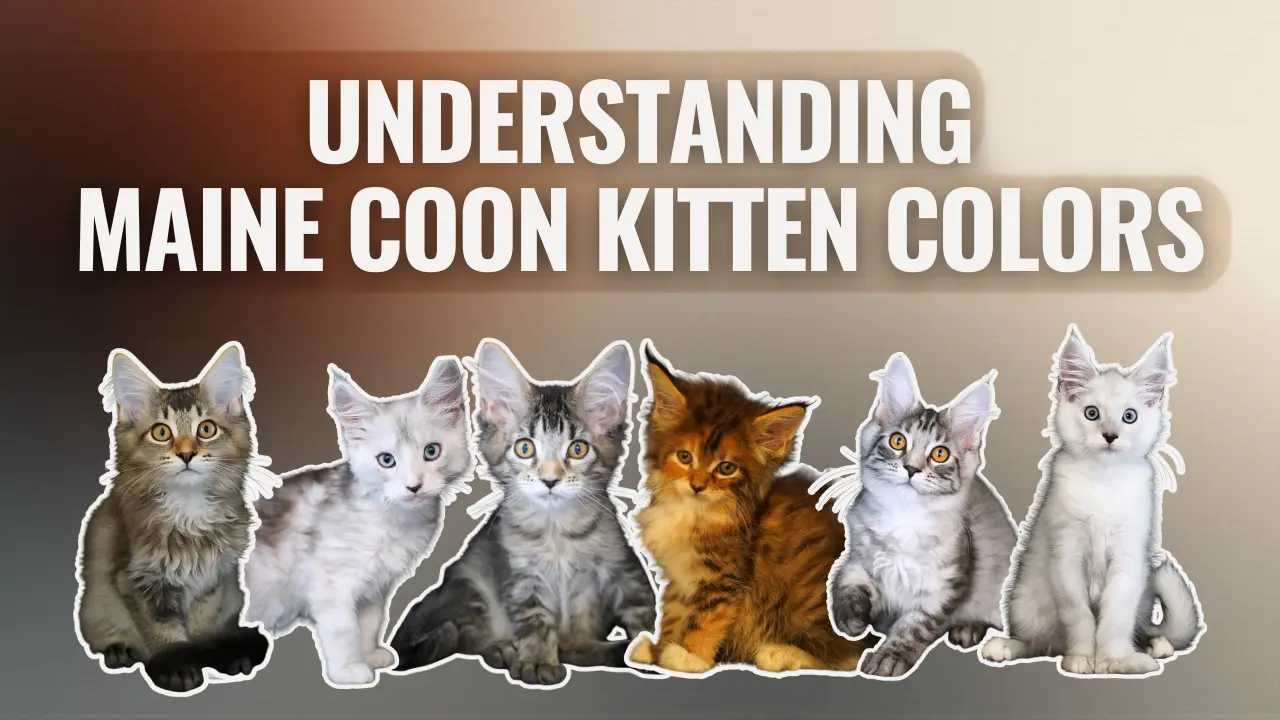
Identifying Tabby Patterns in Maine Coon Kittens: A Complete Guide to Recognising and Understanding Kitten Markings
Introducing Maine Coon kittens by their distinct tabby patterns can transform hesitation into confidence when choosing the perfect companion. Many families struggle to decode swirl, stripe, and speckle variations, risking uncertainty about coat development and pedigree authenticity. This guide clarifies the four primary tabby types—Classic, Mackerel, Ticked, and Spotted—explores their genetic foundations, tracks pattern evolution from birth to adulthood, and highlights common colour influences. Along the way, you’ll discover how Bellspurr maintains health, genetic integrity, and exceptional socialisation in each purebred kitten, ensuring you find a happy, well-adjusted new family member.
What Are the Main Tabby Patterns in Maine Coon Kittens?
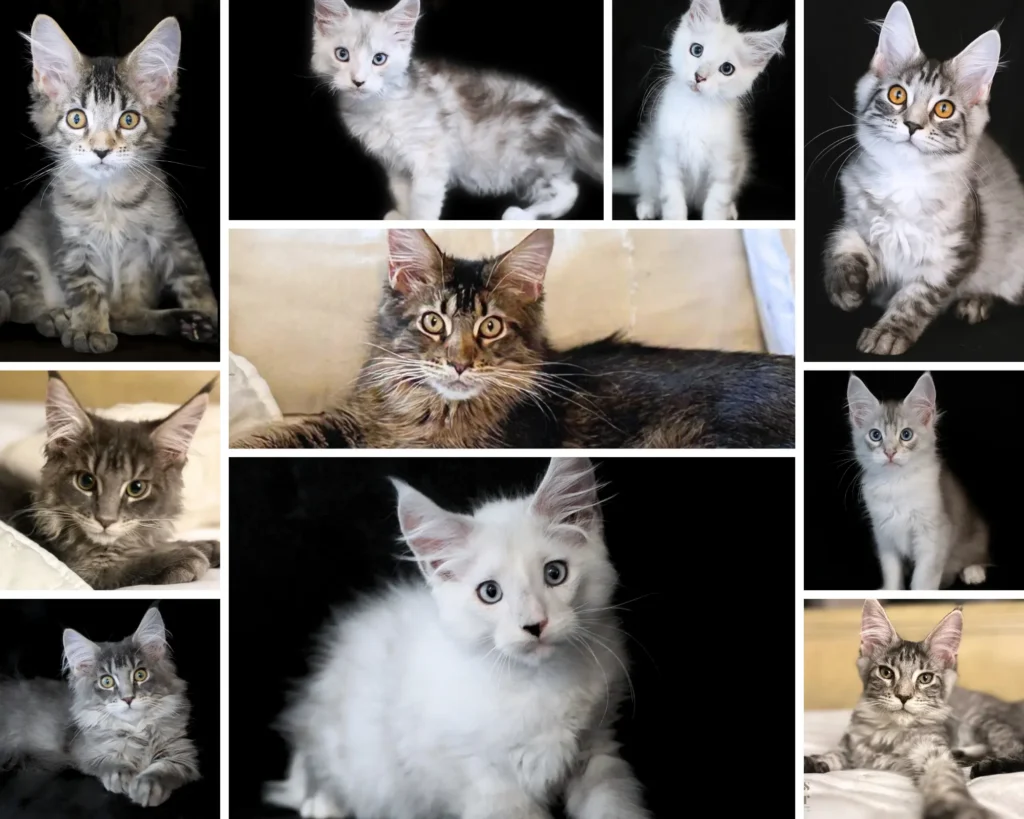
Tabby patterns are distinctive coat designs controlled by genetic mechanisms that produce swirling, striped, or speckled markings, always centred around an “M” on the forehead. Recognising these foundational types helps breeders and buyers anticipate adult coat appearance, establish show-quality expectations, and confirm pedigree standards. Below are the four major tabby patterns found in Maine Coon kittens.
- Classic tabbies feature broad, swirling patterns often forming a “bullseye” on the flanks.
- Mackerel tabbies display narrow, parallel stripes resembling fish bones.
- Ticked tabbies show banded hairs without clear stripes, giving a salt-and-pepper look.
- Spotted tabbies present distinct spots, a modifier of classic or mackerel lines.
Understanding these patterns sets the stage for deeper genetic insights that underpin each variation.
What Defines a Classic Tabby Maine Coon Kitten?
Classic tabby Maine Coon kittens exhibit broad, dark swirls on a lighter background, with a prominent bullseye marking on each flank. This pattern arises when the agouti gene expresses banded hair combined with pattern-promoting alleles that form thick loops and whorls. For example, a brown classic tabby features rich mahogany swirls contrasted by lighter interspaces, while a silver classic tabby shows pale silver ground colour with dark charcoal loops. Noting these visual traits early helps predict show-quality coat development and aligns expectations for adult markings.
How to Recognise Mackerel Tabby Features in Maine Coon Kittens?
Mackerel tabby kittens display vertical, narrow stripes running down the sides and spine, producing a fishbone appearance. When the agouti gene bands hair and pattern modifier alleles favour linear markings, stripes extend from shoulders to tail, crossing the flanks in parallel lines. Young kittens may show faint lines that sharpen by eight weeks, indicating strong mackerel inheritance. Tracking these evolving stripes assists breeders in pattern confirmation and buyers in selecting kittens with distinctive, contrasting lines.
What Are the Distinctive Traits of Ticked Tabby Maine Coons?
Ticked tabby Maine Coons have individual hairs banded in alternating light and dark segments, resulting in a salt-and-pepper, agouti-driven coat without visible body stripes. The absence of contiguous stripes or swirls highlights the ticked effect, most pronounced on the back and shoulders. In kittens, this manifests as subtle tom-like ticking, sometimes confused with a solid coat until maturity. Recognising ticked traits early can guide expectations for an evenly speckled adult coat and frames socialisation practices around pattern-recognised litters.
How to Identify Spotted Tabby Patterns in Maine Coon Kittens?
Spotted tabby patterns occur when modifiers break up mackerel or classic stripes into distinct spots of varying size. This mutation produces rosettes, clear dots, or broken lines across the flanks. Kittens may exhibit irregular clusters of spots at birth that coalesce into more defined shapes by 12 weeks, reflecting underlying genetic modifiers. Spot density and arrangement differ by kitten, offering unique visual appeal and adding depth to pattern classification.
What Is the Significance of the ‘M’ Marking on Maine Coon Foreheads?
The “M” marking on a tabby Maine Coon forehead is a universal tabby hallmark formed by concentrated darker pigment along the brow. This genetic signature indicates agouti activity where two or more colour bands on each hair reveal underlying patterning. Regardless of specific tabby type, the “M” provides a reliable identifier of tabby inheritance and often appears before other markings develop, guiding early pattern recognition.
How Do Genetics Influence Maine Coon Tabby Patterns?
Tabby patterns result from interactions between key coat-colour genes that dictate hair banding, pigmentation suppression, and pattern modifiers. Breeder awareness of these mechanisms ensures healthy genetic diversity and accurate pattern prediction.
What Role Does the Agouti Gene Play in Tabby Pattern Expression?
The agouti gene controls whether individual hairs show alternating light and dark bands, enabling tabby visibility on the coat. Agouti expression produces the base for classic, mackerel, ticked, or spotted designs by regulating pigment distribution along each hair shaft. Kittens inheriting agouti alleles from one or both parents invariably present visible patterning, guiding breeders in selecting genetic matches for consistent tabby litters.
Genetic Basis of Tabby Coat Patterns in Domestic Cats
Research has identified key genetic factors influencing tabby patterns. The agouti gene (ASIP) is crucial for the expression of banded hairs, which form the basis of all tabby patterns. Furthermore, specific alleles within the Taqpep gene determine whether a cat displays a mackerel (striped) or classic (blotched) tabby pattern.
This research directly supports the article’s explanation of how the agouti gene and other pattern-modifying genes create the distinct tabby markings in Maine Coon kittens.
How Does the Inhibitor Gene Create Silver Tabby Variations?
The inhibitor gene, also known as the silver gene, suppresses eumelanin pigment in the lighter bands of agouti hairs, yielding silver, smoke, or shaded appearances. When active, this gene lightens hair bases and mid-bands, producing striking contrast between silver ground colour and dark tabby markings. In kittens, silver gene patterns often appear muted at birth before full silvering emerges by three months, offering breeders a window into smoke and shaded phenotype prediction.
Genetics of Cat Coat Color and Pattern
The inhibitor gene plays a crucial role in creating silver and smoke coat variations by suppressing eumelanin pigment in the lighter bands of agouti hairs, yielding silver, smoke, or shaded appearances. When active, this gene lightens hair bases and mid-bands, producing striking contrast between silver ground colour and dark tabby markings. In kittens, silver tabby patterns often appear muted at birth before full silvering emerges by three months, offering breeders a window into smoke and shaded phenotype prediction.
This review article provides the genetic foundation for understanding how the inhibitor gene produces silver tabby variations, as discussed in the article.
How Are Tabby Patterns Inherited in Maine Coon Kittens?
Tabby patterns follow Mendelian inheritance where agouti and modifier genes passed from parents determine pattern type. Agouti presence is dominant over non-agouti, so at least one agouti allele yields tabby expression. Modifier genes for classic, mackerel, or spotted traits can be inherited independently, creating litters with mixed pattern types. Understanding these inheritance rules allows responsible breeders to plan matings that optimise pattern variety and minimise health-linked genetic issues.
What Genetic Testing Ensures Healthy Tabby Pattern Breeding?
Genetic screening for agouti, inhibitor, and pattern modifier alleles, along with health panels for HCM and SMA, confirms both coat-pattern authenticity and overall kitten well-being. Reputable breeders use DNA tests to verify gene combinations, ensuring kittens meet TICA pedigree standards and carry no harmful mutations. Bellspurr’s commitment to comprehensive testing upholds genetic integrity and supports clients in selecting kittens with predictable tabby traits and robust health.
How to Identify Tabby Patterns in Maine Coon Kittens
Tabby markings evolve as kittens mature, revealing clearer patterns and shifts in colour depth. Tracking these stages helps owners confirm expected adult coat designs.
What Do Tabby Patterns Look Like at Birth?
Newborn kitty maine coon show faint, ghost-like tabby outlines on a pale background, with light head stripes and soft flank marks. These early cues indicate pattern type before darker pigmentation develops. Noting these markings within the first week aids breeders in documenting lineage and planning socialisation around pattern diversity.
How Do Tabby Markings Evolve as Maine Coon Kittens Grow?
Between two and eight weeks, tabby contrasts deepen as pigment production intensifies. Classic swirls become defined, mackerel stripes straighten, ticked hairs develop clearer banding, and spots sharpen. Observing these changes week by week provides breeders and buyers with accurate expectations for final adult pattern emergence.
How to Spot Tabby Patterns in Young vs. Adult Maine Coons?
Young kittens may show subdued patterns that darken and intensify by six months, while adult coats refine markings through seasonal shedding. Spot size may shrink or merge, and silver genes often lighten older fur. Recognising these differences prevents misidentification and highlights the importance of patience when confirming true pattern type.
What Are Ghost Markings and How Do They Affect Identification?
Ghost markings are faint stripes or swirls visible in supposedly solid-coloured coats, revealing underlying tabby genes. These subtle vestiges, particularly on legs and tail, confirm hidden agouti activity. Awareness of ghost traits prevents confusion between solid and non-solid cats and underscores the genetic basis of pattern suppression.
What Are the Common Tabby Colours in Maine Coon Kittens and How Do They Affect Pattern Appearance?
Tabby colours interact with pattern types to produce diverse visual effects and contrast levels across the coat.
How Does Brown Tabby Colour Manifest in Maine Coons?
Brown tabby kittens display warm mahogany or chocolate swirls against tawny ground, with dark seal-brown stripes or spots. This rich colour accentuates pattern outlines, creating striking contrast and classic appeal. Brown tabbies are the most common Maine Coon pattern, offering reliable predictability for buyers seeking traditional looks.
What Are the Features of Red and Cream Tabby Maine Coons?
Red and cream tabbies present warm orange or pale apricot ground colours with darker russet or cinnamon markings. In these kittens, patterns often appear softer and may require close inspection to differentiate swirl or stripe outlines. The red gene’s effect on pigment granularity yields pumpkin-toned coats prized for their unique warmth.
How Do Blue and Silver Tabby Colours Differ in Appearance?
Blue tabbies carry diluted eumelanin, producing slate-grey stripes on a silvery-blue ground. Silver tabbies combine the inhibitor gene with agouti, resulting in pale silver backgrounds and charcoal markings. Both variations offer cool-toned contrast, with silver tabbies displaying the brightest highlights under natural light.
What Is a Torbie and How Does It Combine Tabby and Tortoiseshell Patterns?
A torbie fuses tabby striping with tortoiseshell’s red and cream patches, creating intricate, multicoloured designs. In kittens, torbie patterns appear as mottled patches interspersed with stripes or spots, reflecting co-dominance of tabby and tortoiseshell genes. Recognising torbie traits early informs breeders about mixed inheritance and appeals to buyers seeking vibrant, unique coats.
How to Distinguish Maine Coon Tabby Patterns from Non-Tabby Coats?
Solid, smoke, shaded, and particoloured coats differ genetically and visually from tabby patterns, requiring careful observation.
What Are the Differences Between Tabby and Solid-Coloured Maine Coons?
Solid-coloured Maine Coons carry two recessive non-agouti alleles, resulting in uniform pigment distribution without banded hairs. Unlike tabbies, solids lack visible stripes, swirls, or spots but may show ghost markings under bright light. Identifying agouti absence ensures correct classification during kitten selection.
How Do Smoke, Shaded, and Shell Patterns Compare to Tabby Markings?
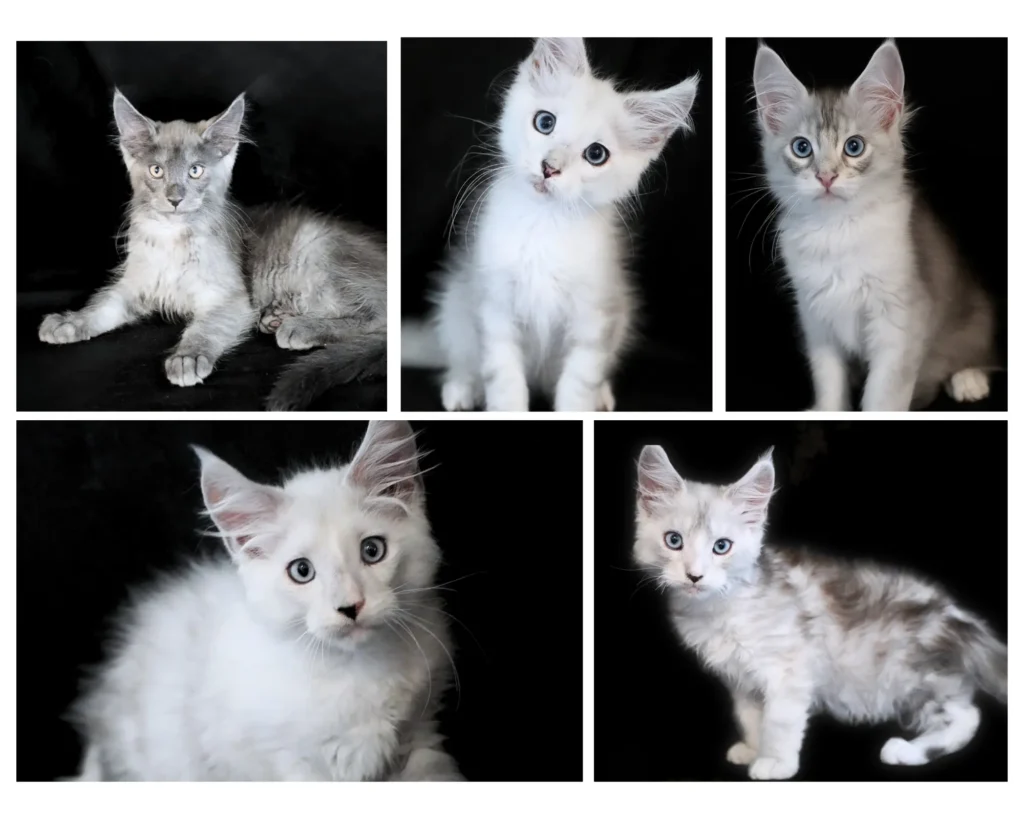
Smoke, shaded, and shell patterns are silver-based variations produced by the inhibitor gene, characterised by light roots and dark tips without clear tabby outlines. Smoke coats appear dark-tipped on a pale base, shaded coats show tipping on the upper quarter of each hair, and shell coats have tipping on the lower eighth—distinct from banded tabby hairs. Recognising these patterns avoids mislabeling silver effects as tabby.
How to Identify Torbie and Other Mixed Patterns in Maine Coons?
Mixed patterns like torbie or particoloured combine tabby striping with patches of solid colours. Close inspection of pattern breaks and colour juxtapositions reveals tabby striping interwoven with tortoiseshell or white areas. Documenting these hybrid traits assists breeders in predicting adult phenotype combinations.
Why Do Some Maine Coons Lack Visible Tabby Markings?
Cats with two non-agouti alleles suppress banded hairs entirely, producing solid coats devoid of tabby markings. Additionally, environmental factors such as sun bleaching can fade patterns. Understanding genetic suppression helps explain seemingly patternless kittens and guides breeding strategies for desired outcomes.
Why Choose a Bellspurr Maine Coon Kitten with a Specific Tabby Pattern?
Bellspurr’s dedication to health testing, socialisation, and genetics ensures each kitten not only exhibits clear, predictable tabby patterns but also thrives in loving homes. Prospective owners benefit from expert guidance and a seamless purchasing journey tailored to individual pattern preferences.
How Does Bellspurr Ensure Health and Genetic Integrity in Tabby Kittens?
Every Bellspurr kitten undergoes DNA screening for agouti, inhibitor, and pattern modifier genes, alongside tests for HCM and SMA. This rigorous approach guarantees pattern authenticity and prevents hereditary health issues, reflecting our commitment to lifelong well-being.
What Makes Bellspurr’s Kittens Well-Socialised and Adaptable?
Raised in a family environment with early handling, exposure to household sounds, and supervised interactions, Bellspurr kittens develop confidence and gentle temperaments. Pattern-specific litters benefit from targeted enrichment that supports predictable behaviour and easy integration into new homes.
How Does Bellspurr Support Buyers in Identifying and Selecting Tabby Patterns?
Our detailed pattern profiles, photo timelines, and one-on-one consultations guide buyers through identification, ensuring accurate expectations for pattern development. This personalised support simplifies choosing kittens whose coats match buyer preferences and lifestyle.
Where Can You Find Available Tabby Maine Coon Kittens for Sale?
Real-time availability updates and filtered pattern galleries on our website let you explore purebred Classic, Mackerel, Ticked, Spotted, Silver, and Torbie Maine Coon kittens. Expert staff are ready to answer questions and coordinate health-certified kitten deliveries nationwide.
Conclusion
Accurately identifying tabby patterns in Maine Coon kittens empowers informed decisions and lifelong satisfaction. By understanding genetic drivers and growth-stage changes, potential owners anticipate adult coat designs with precision. Bellspurr’s health testing and nurturing environment ensure kittens not only display beautiful tabby markings but also thrive as sociable companions. Trust in expert guidance and clear pattern education to find your perfect Maine Coon kitten.